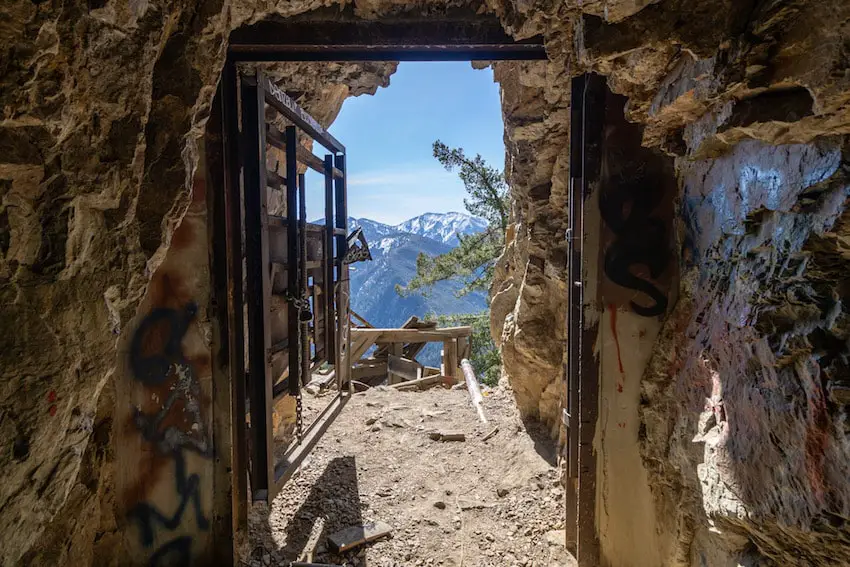
Big Horn Mine Trail: Map, Directions, & Bonus Cabin Ruins

Big Horn Mine Trail: Map, Directions, & Bonus Cabin Ruins

  • Total Miles: 3.84
  • Time: 2.5 Hrs
  • Difficulty: Easy
  • Best Season: All Year
  • Elevation Gain: 983 ft
  • Max Elevation: 6894 ft
  • Type of Trail: Out & Back
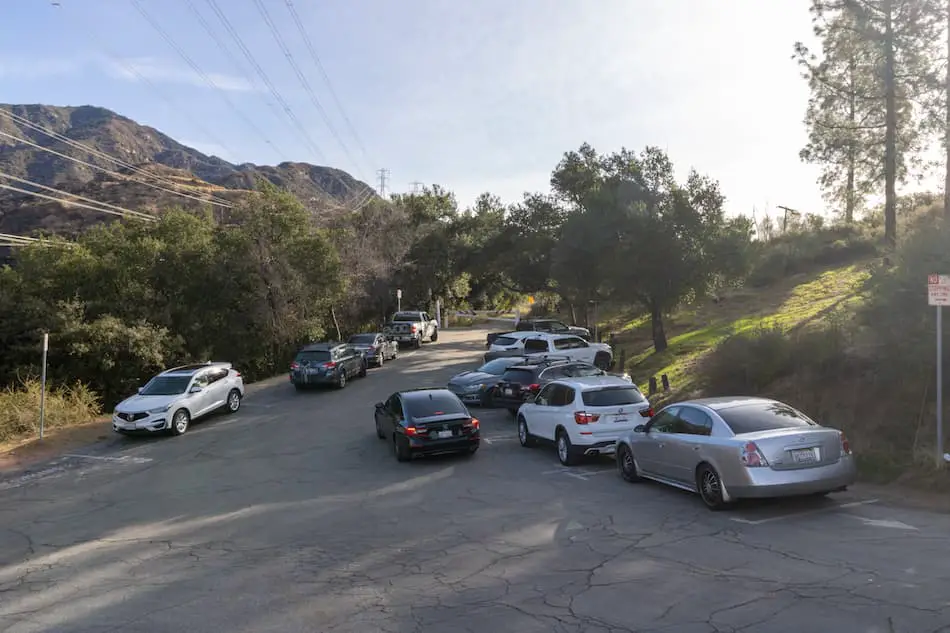
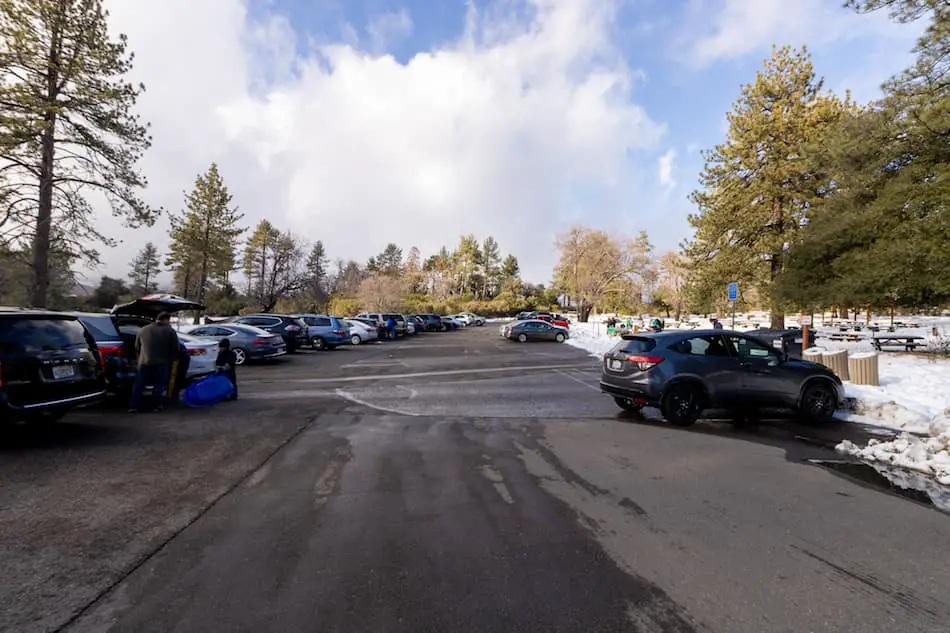
  • Parking Lot: Fits ≈ 30 cars
  • Dogs: Allowed On A Leash
  • Restrooms: Available At The Parking Lot
  • Trail Popularity: Very High
  • Pics Taken On: Apr 3, 2021

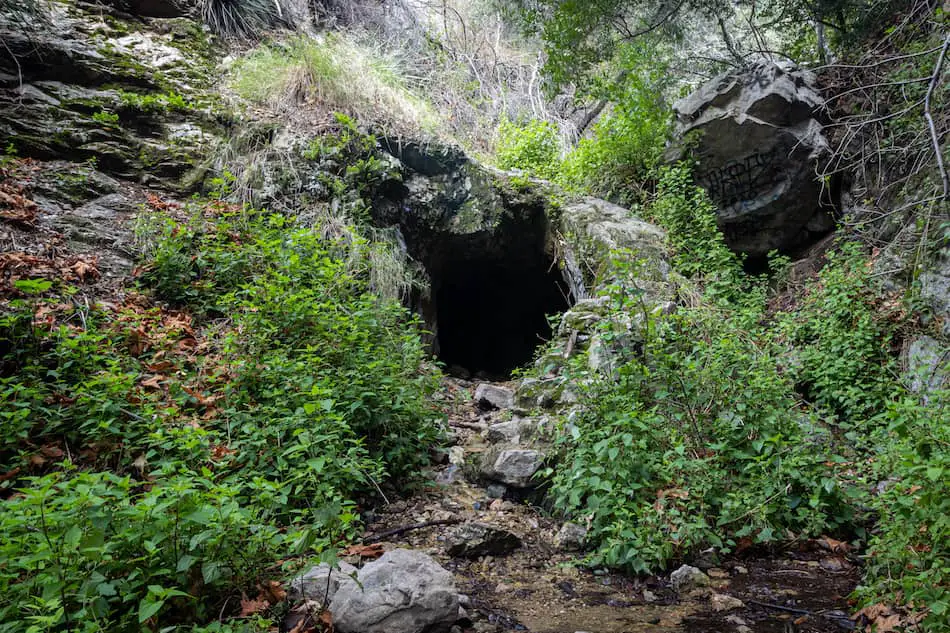
Deep in the San Gabriel Mountains, a 128 year old abandoned mine is still accessible if you dare to venture inside. But that’s not all. The founder, Charles, built a cabin about a mile away from the mine, which is still standing and can also be explored.

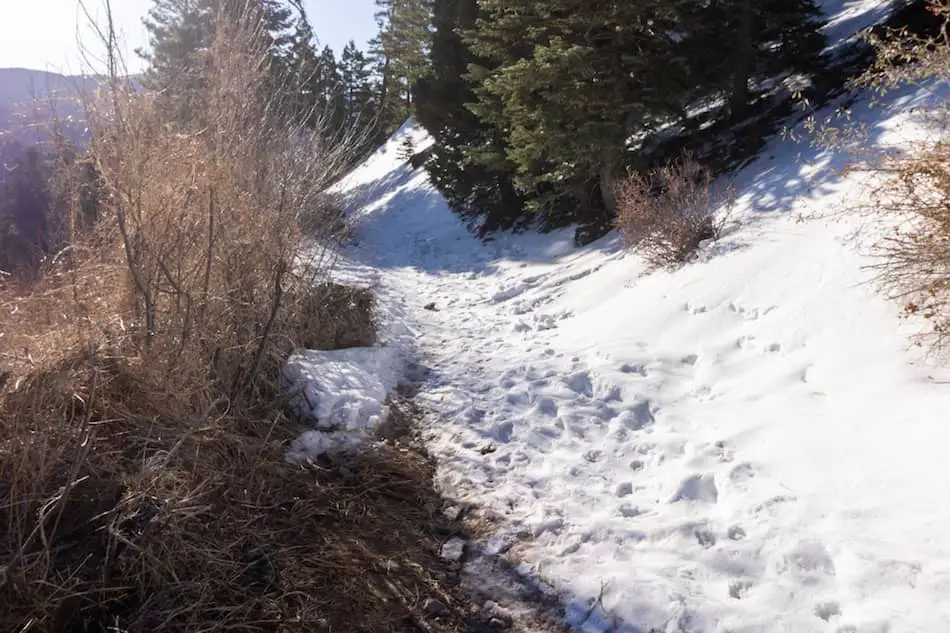
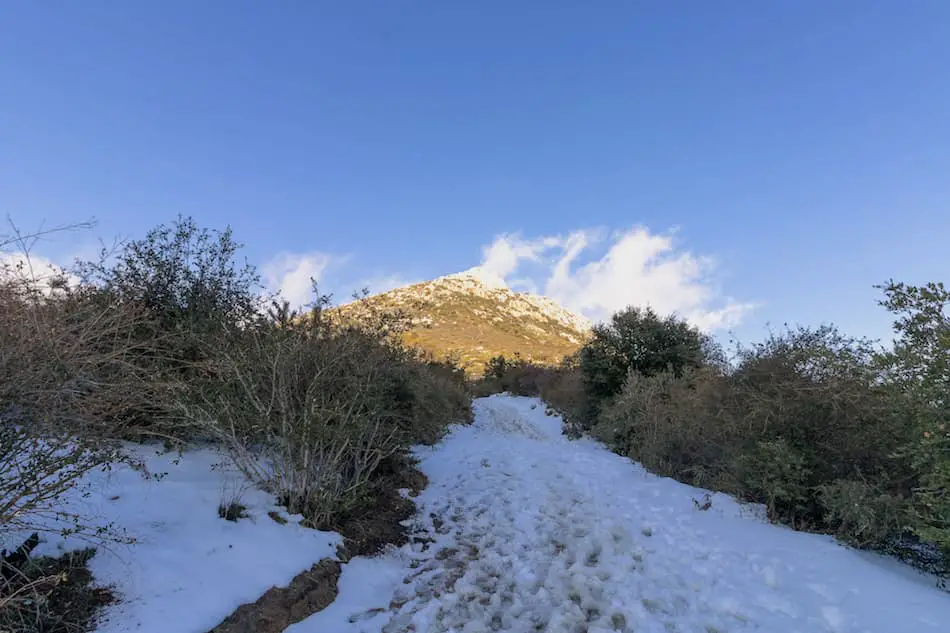
Big Horn Mine trail is a 4 mile, relatively easy hike in the Angeles National Forest. The trail begins at Vincent’s Gap, boasts beautiful pine trees, and amazing views of various peaks, including San Antonio. Snow can be expected during the winter months. 

The Big Horn Mine made it to my list of best hikes in SoCal AND Los Angeles because it’s so unique. The other hikes on those lists include Nazi ruins, 500 foot waterfalls, and the most jaw dropping views you can imagine. Click the links to view them all:

Best Hikes In Los Angeles

Best Hikes In Southern California

Big Horn Mine Trail Map
powered by Advanced iFrame

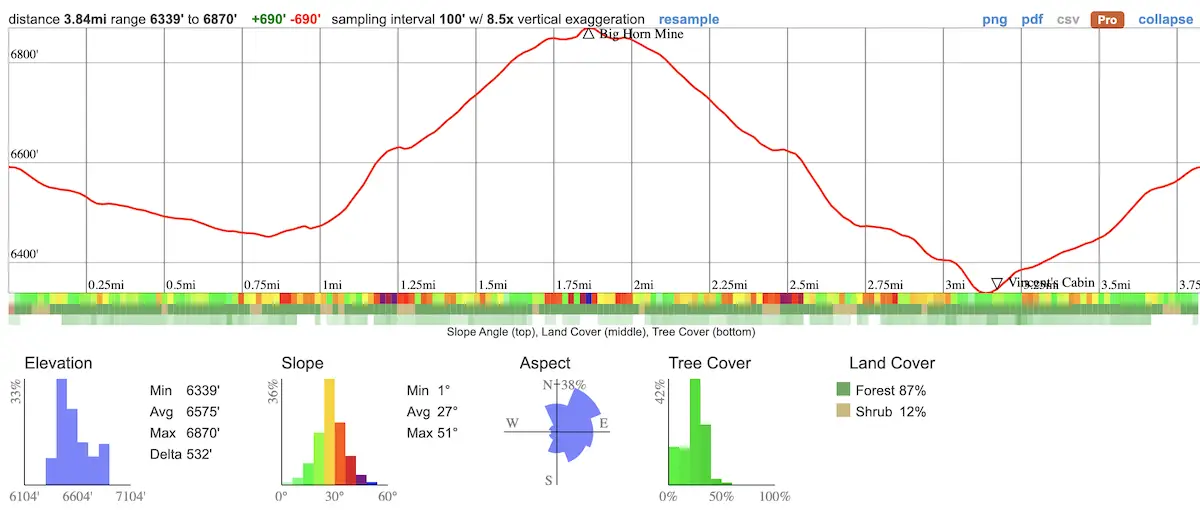
Big Horn Mine Profile Elevation

Download Printable PDF Map

Directions

Click the following link to be redirected to Vincent’s Gulch Divide (Big Horn Mine Trailhead) via Google Maps: Pacific Crest Trail, Azusa, CA 91702

Helpful Links

Weather Forecast

SoCal Adventure Pass (required to park in SoCal mountains)

Big Horn Mine Hike

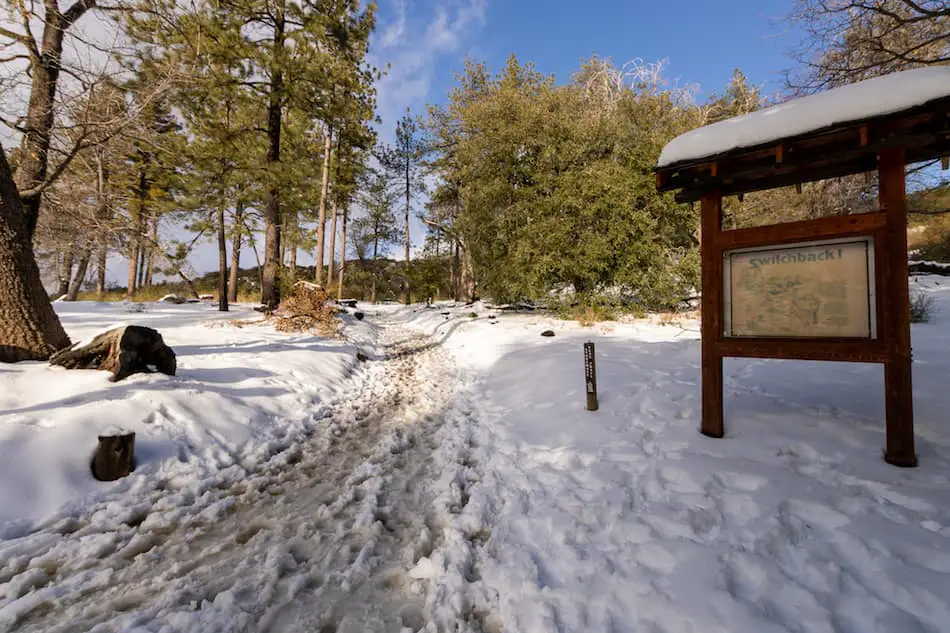
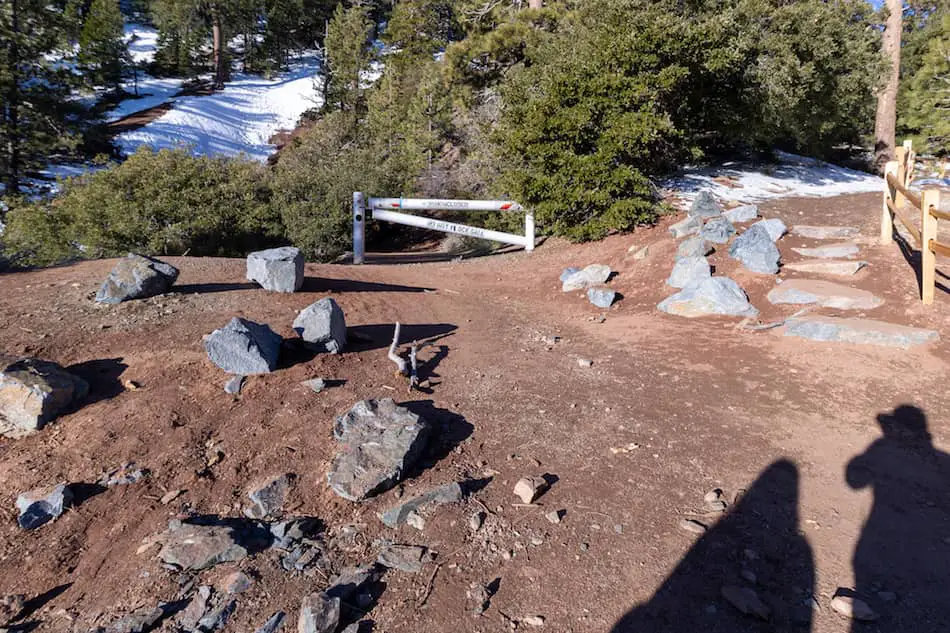
The trailhead is located at the Vincent Gulch Divide. Walk past the white gate to begin your adventure. 
big horn mine

The views are spectacular regardless of where you look.
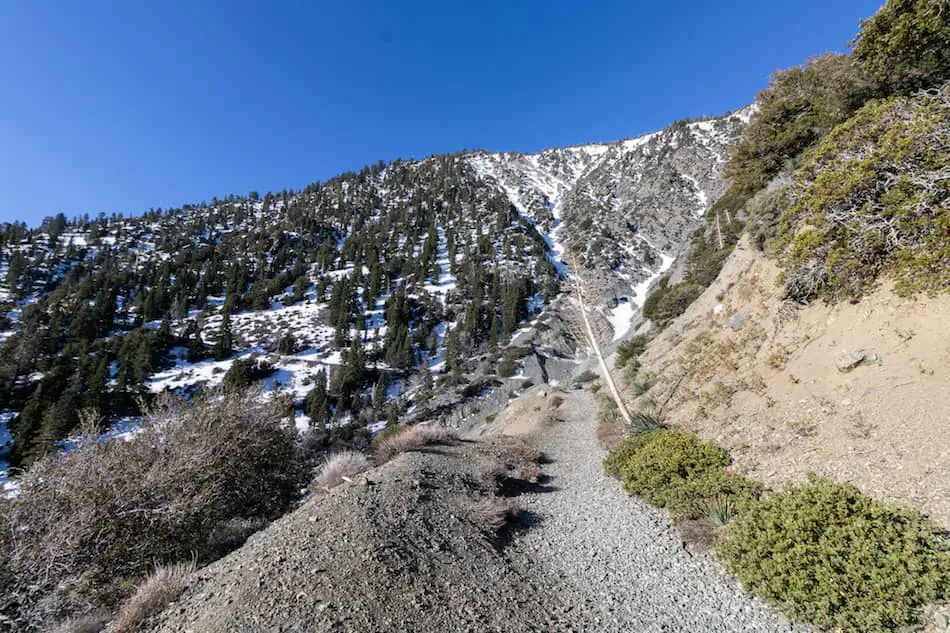
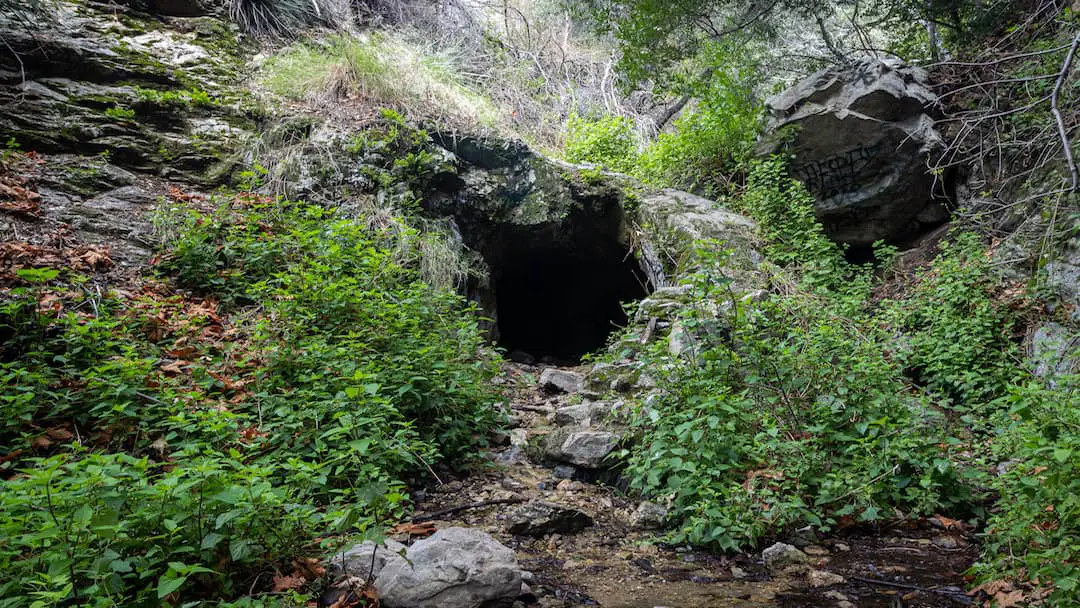
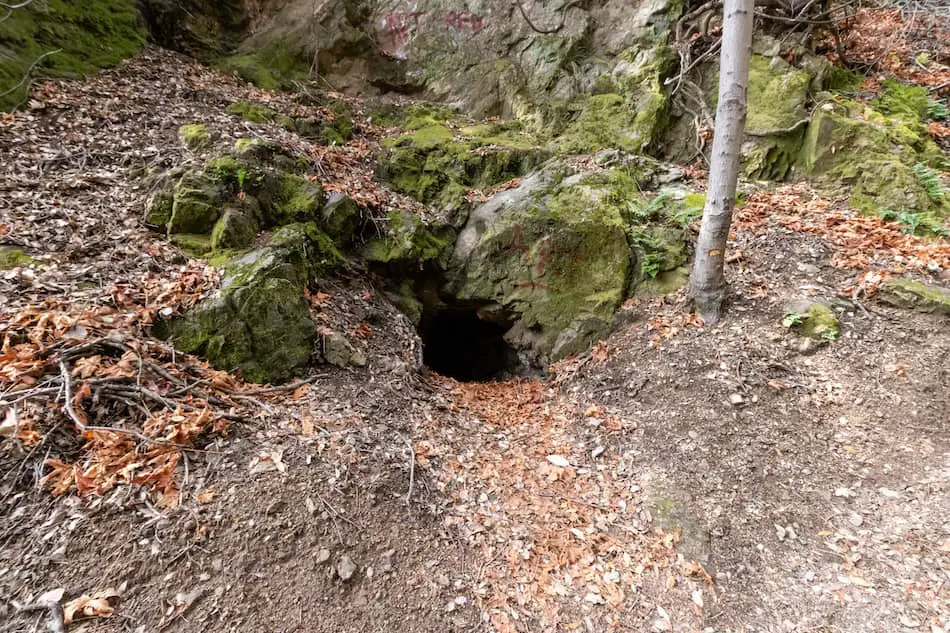
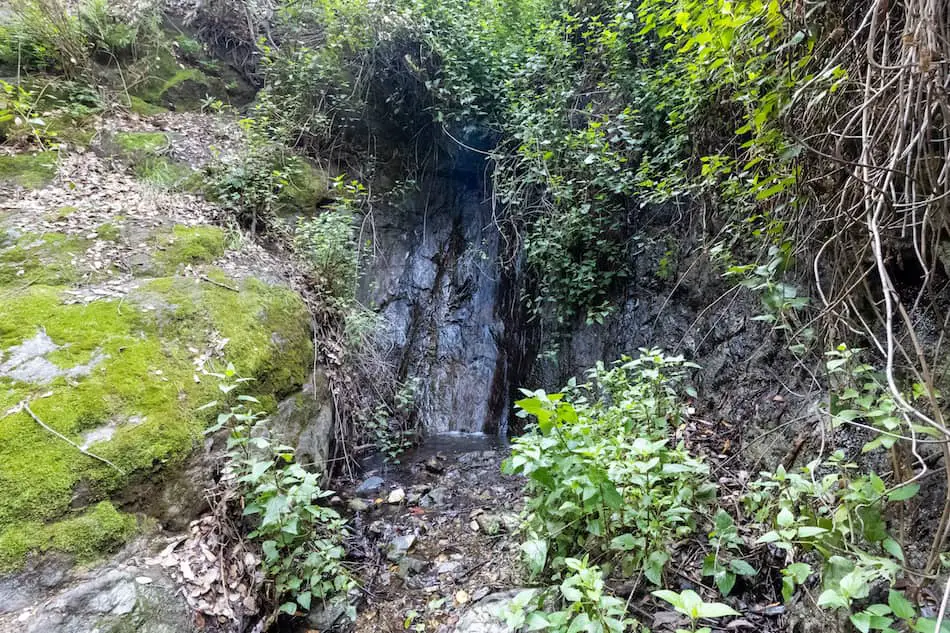
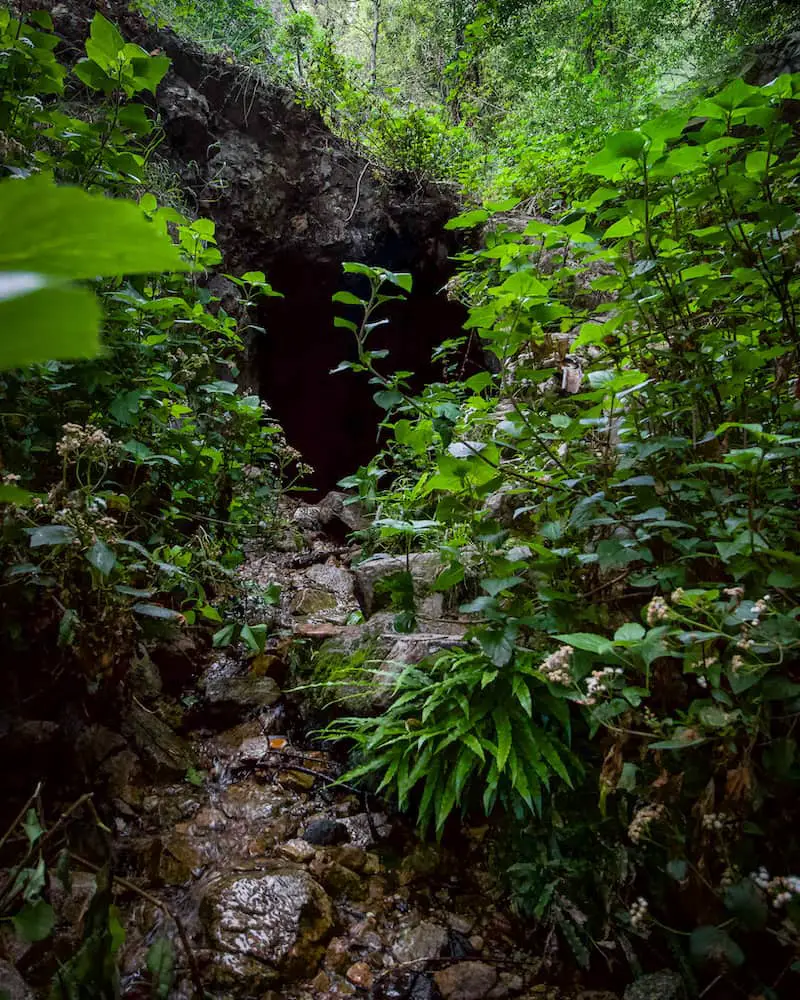
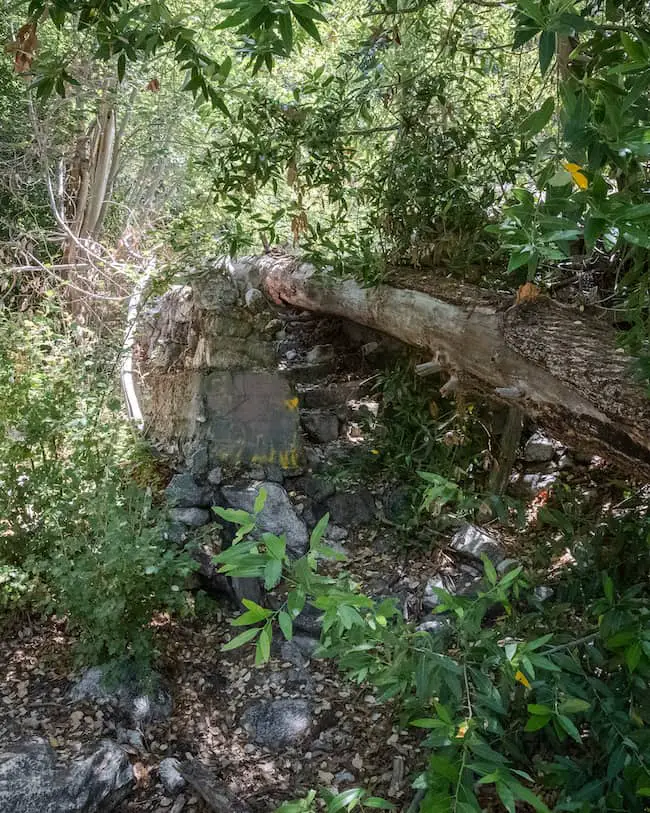
After trekking for roughly a mile, you’ll see a mine shaft with water flowing through it.

If you were to enter through here, you’d probably reconnect with one of the adits from the main entrance. Unfortunately, this portal is blocked off.
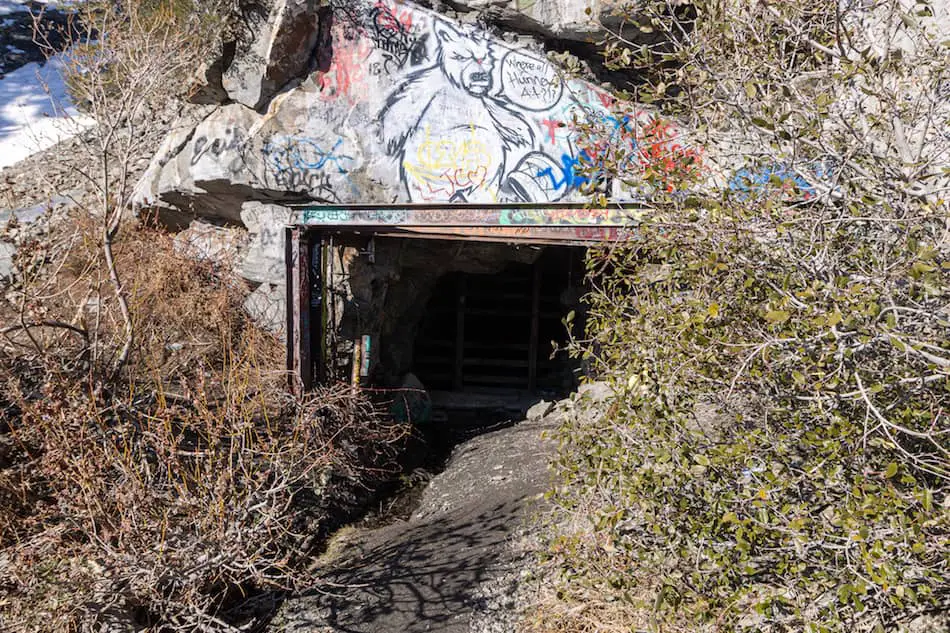
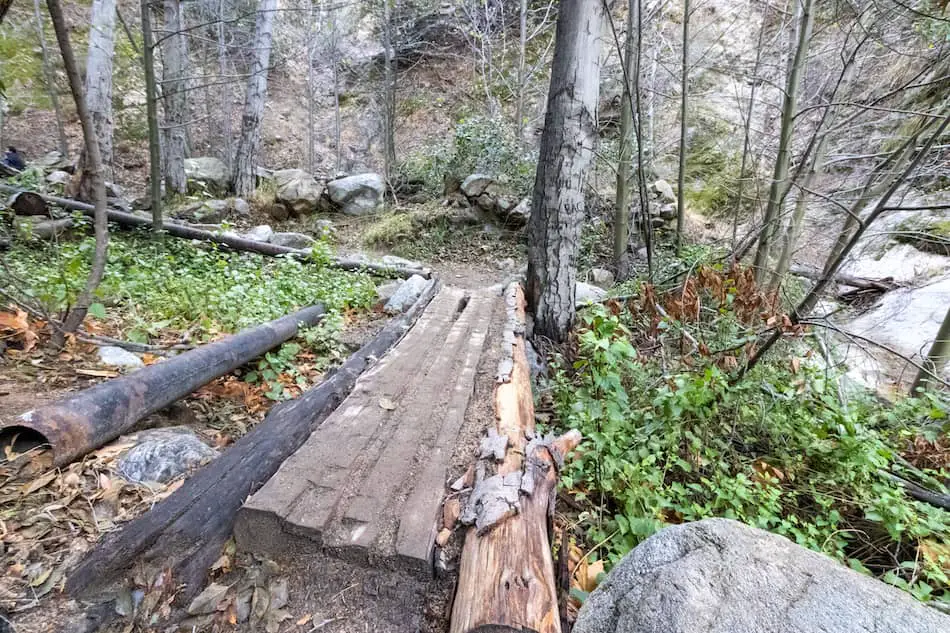
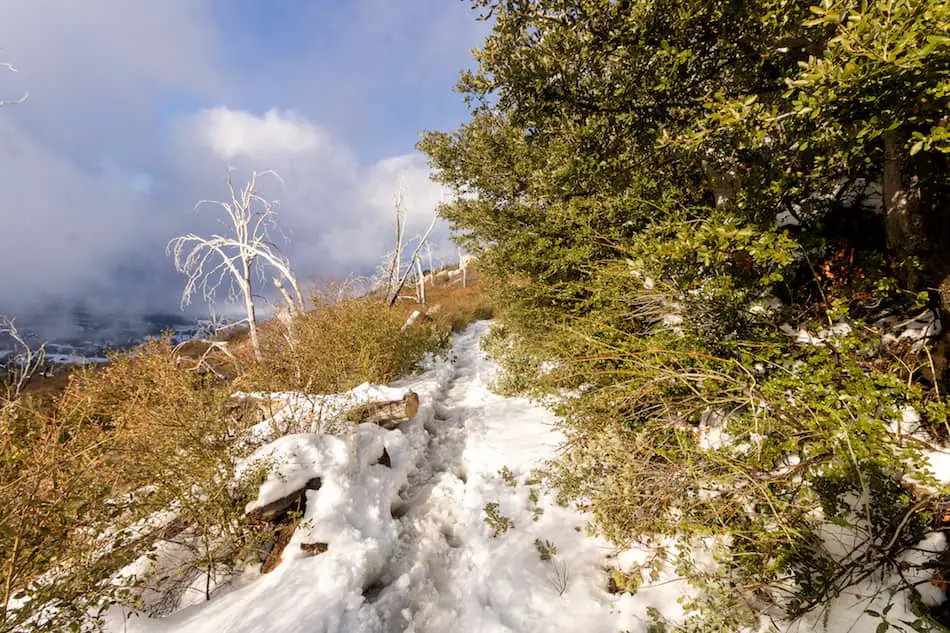
After passing the shaft, you’ll come across a very narrow section of the trail. Be very careful if the trail has snow because one wrong step can have you sliding down 300 feet.

If you visit while there’s snow, I highly recommend taking trekking poles and microspikes as there are 3 narrow sections. Better safe than sorry!
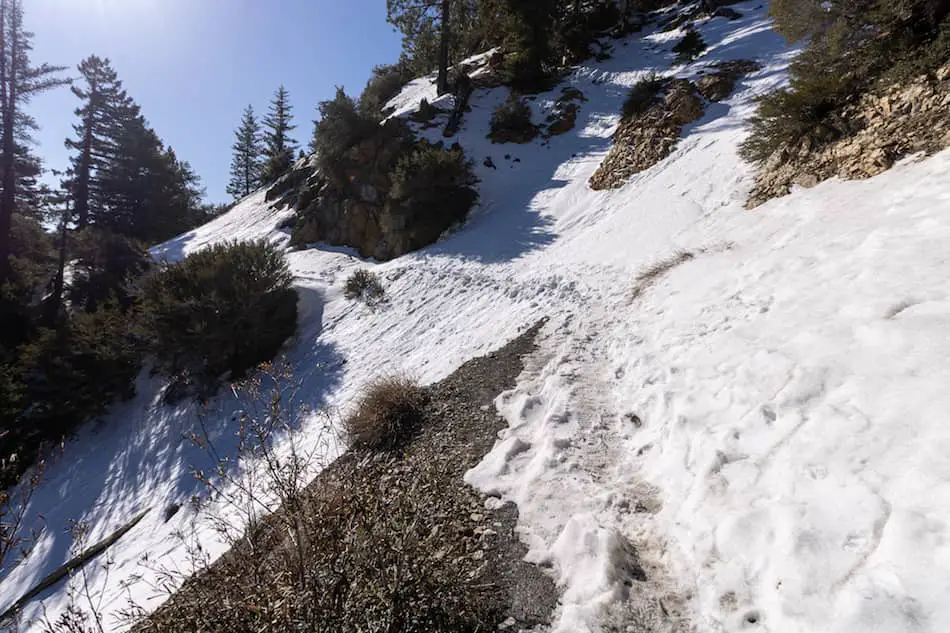
After crossing the narrow sections, you will arrive at your destination.
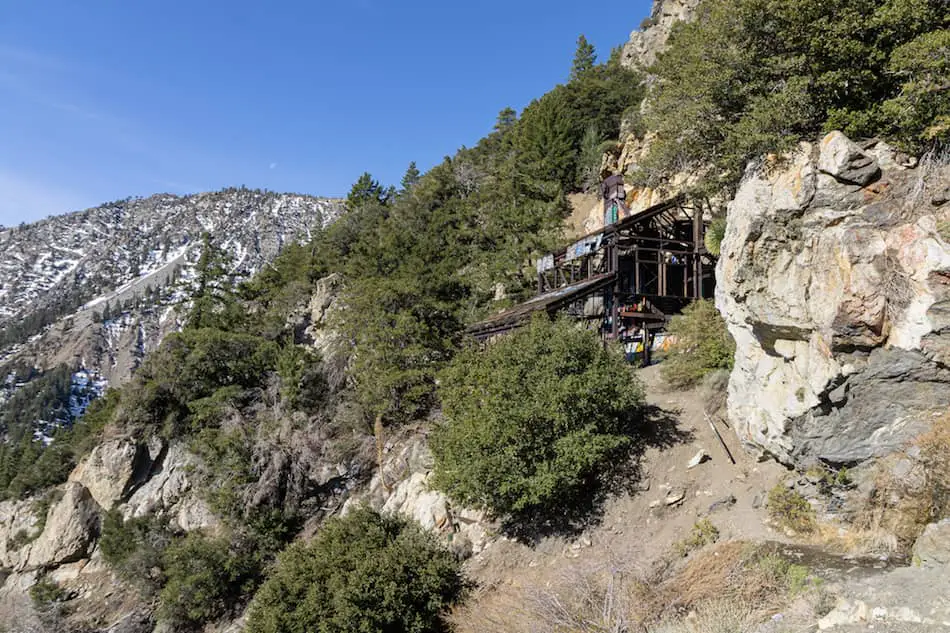
It’s safe to walk inside the remains of the building, and when you do, you’ll enjoy some of the best views of San Antonio Peak, Pine Mountain, and West Baldy.

The canyon below you is the start of the East Fork, which leads to the popular hikes, Bridge to Nowhere and Shoemaker Canyon Rd.
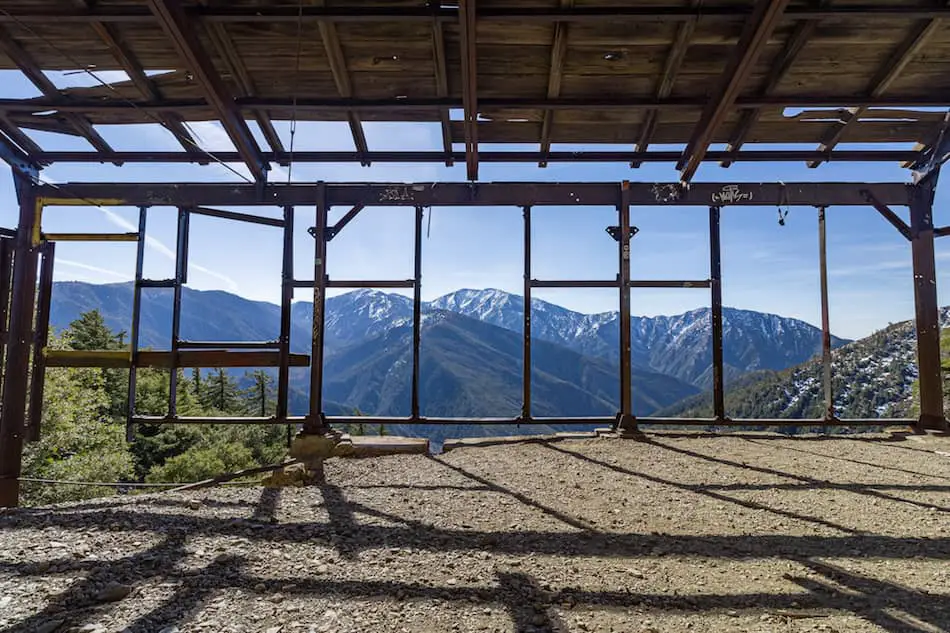
Big Horn Mine

Did you know LA has an old abandoned zoo? It’s located in Griffith Park, and you can check it out by clicking the link here: Old LA Zoo. 
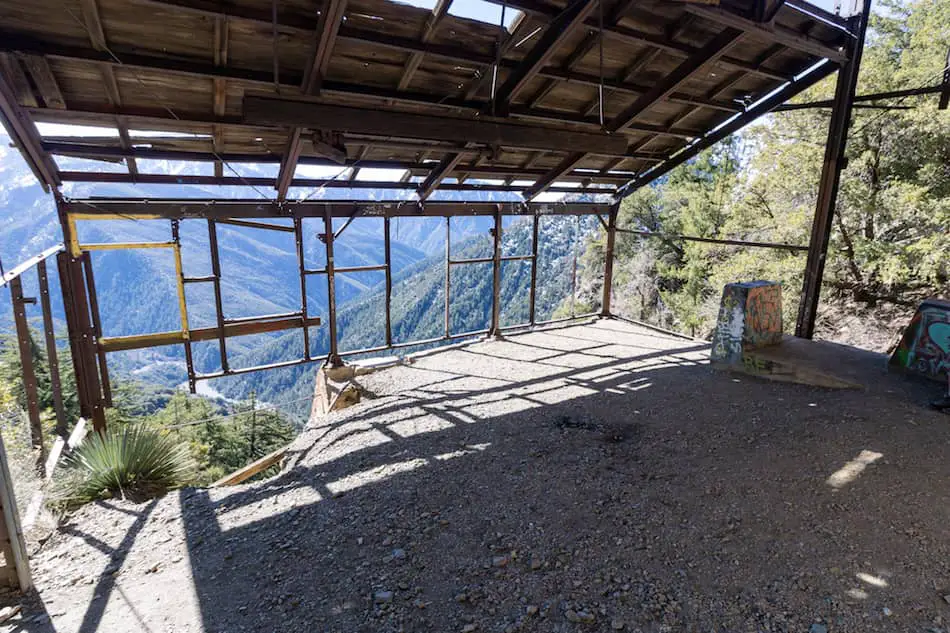
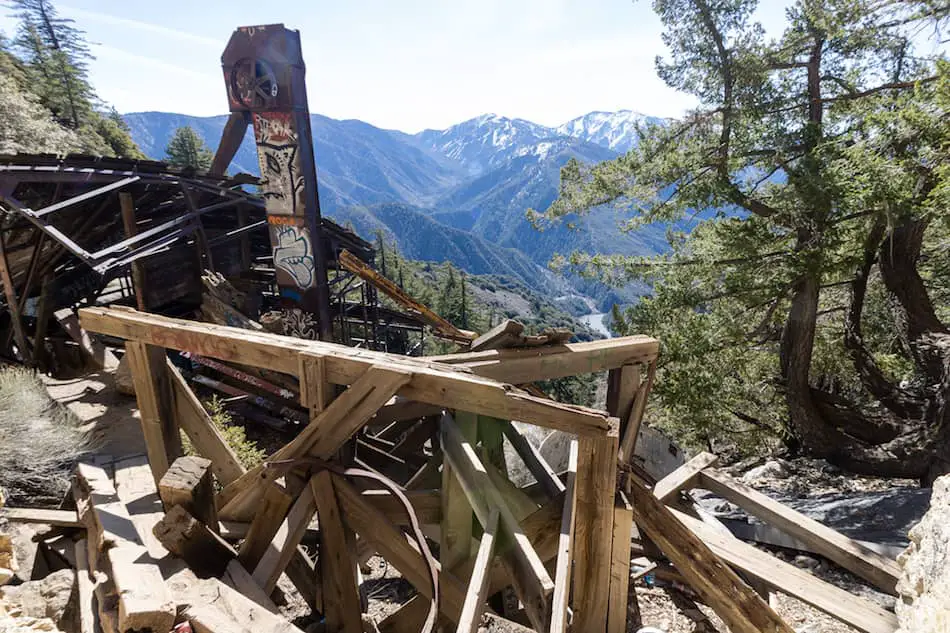
To enter the mine, make your way through the back lefthand corner of the building where part of it has collapsed.

The rubble on the left side of the structure used to be a part of the building, but was washed away by Mother Nature.
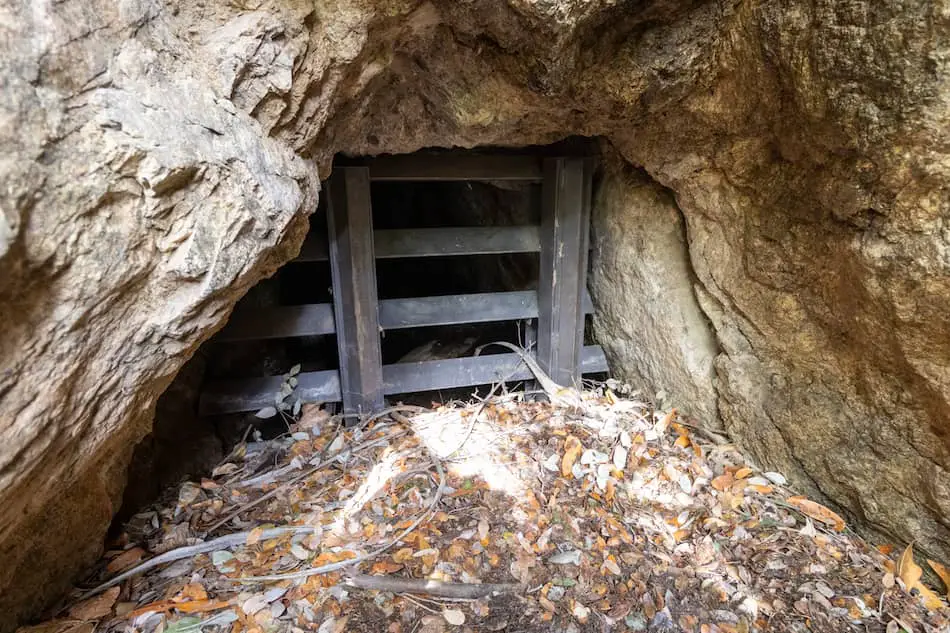
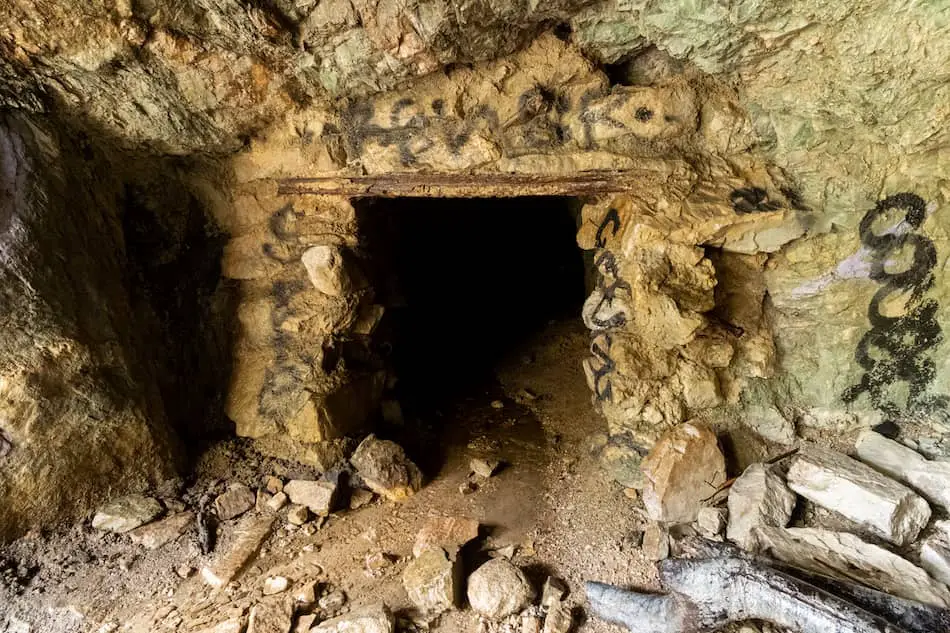
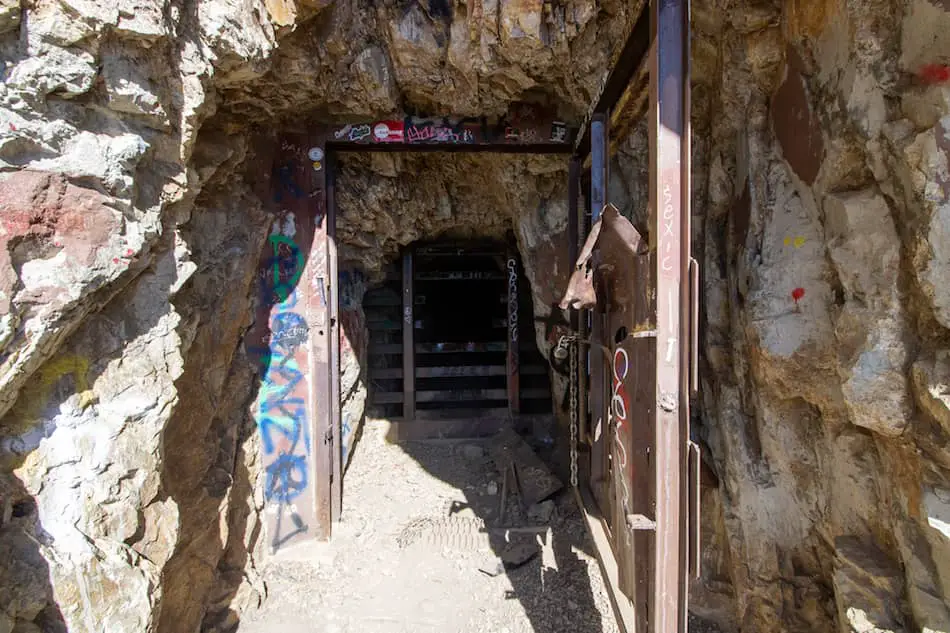
The portal is guarded by an old rusted door that gives the mine a very spooky vibe.
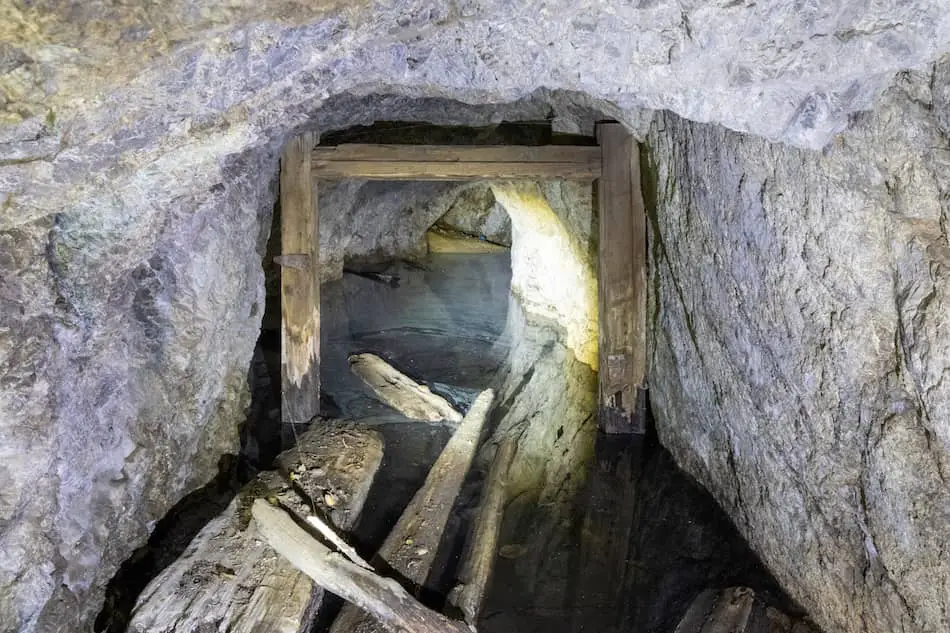
The first part of the adit is barely big enough for a tall person to stand upright, but after about 50 feet, the size of the adit significantly increases.

A whopping 8,700 feet of passages are, for the most part, unexplored along with an underground lake!
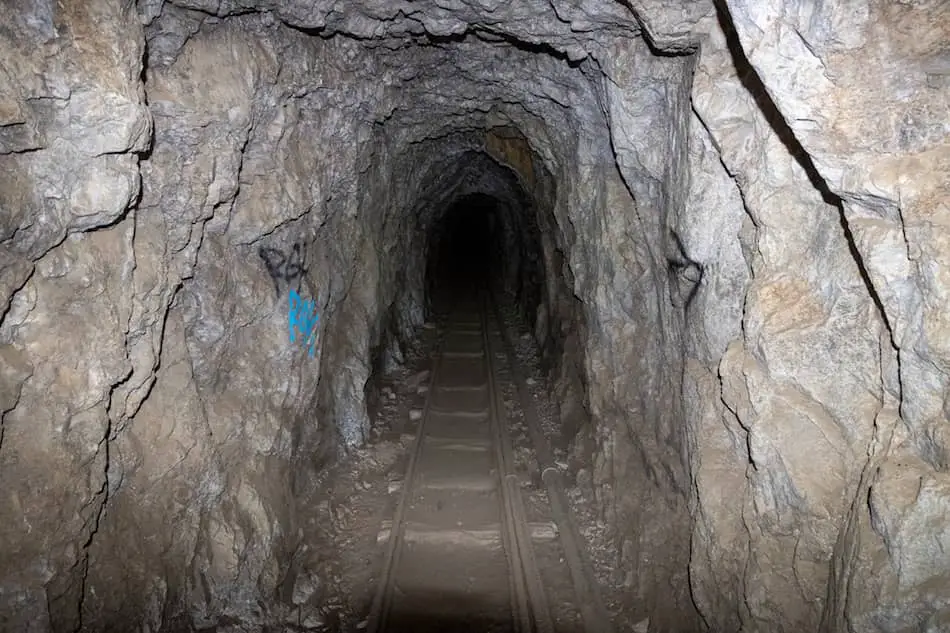
Unfortunately for this adventure, a group of people came out of the mine before we entered and warned us about a strange individual who was behaving aggressively towards them. We decided to play it safe and not venture too far inside.

However, we had explored the inside of the mine about a year prior to starting this blog. We found HUGE pits so deep our flashlights couldn’t illuminate the bottom.

Tunnels split off into various directions and the sound of water droplets falling from the ceiling was the only thing we could hear. We plan on revisiting for our Youtube Channel, and when we do we’ll have more pictures for you.

Big Horn Mine

The Big Horn Mine is my favorite abandoned place in Southern California. My 2nd favorite are the nuclear war escape tunnels which were built during the Cold War to help Los Angelinos quickly get out of SoCal in the event of a nuclear missile attack from Russia.

Check them out by clicking the link here: Shoemaker Canyon Road

BONUS: Vincent’s Cabin

If you enjoyed exploring the Big Horn Mine, paying a visit to Vincent’s Cabin is a must do! The cabin can be found on the way back from the mine.

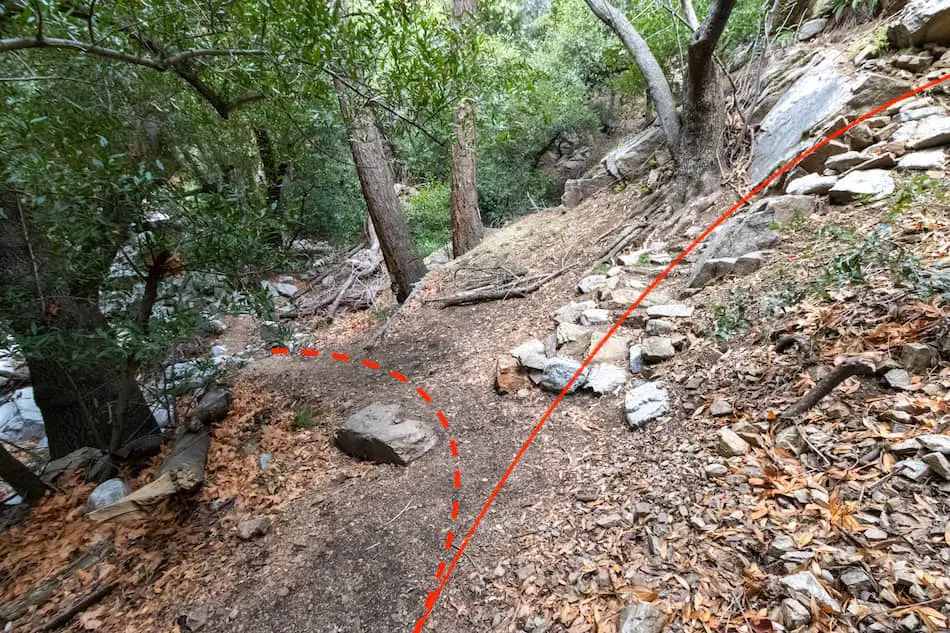
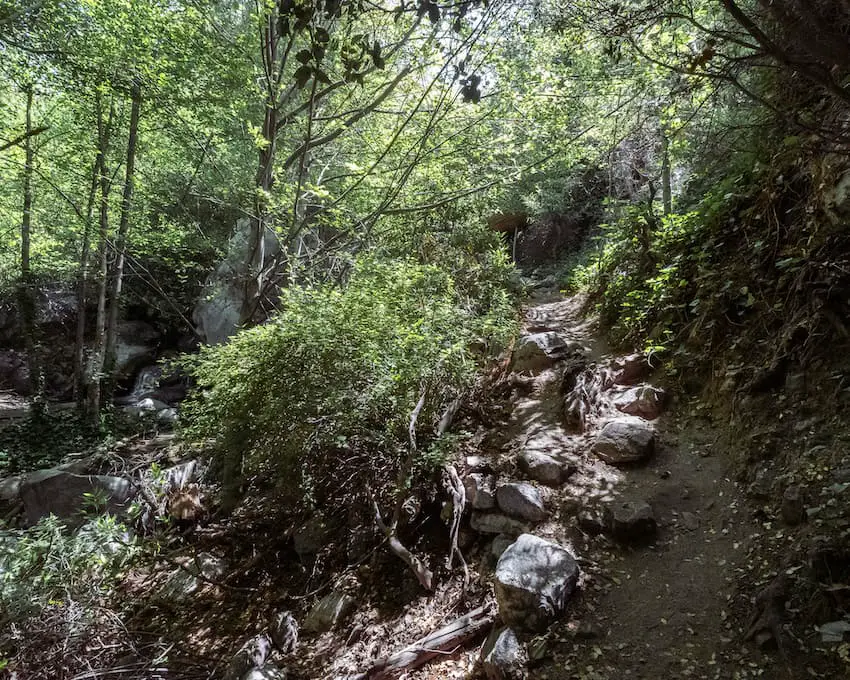
However, you’ll need to download an app called All Trails in order to pinpoint where the trail splits and begins to descend. It’s actually very difficult to spot, which is why I suggest using the app. 
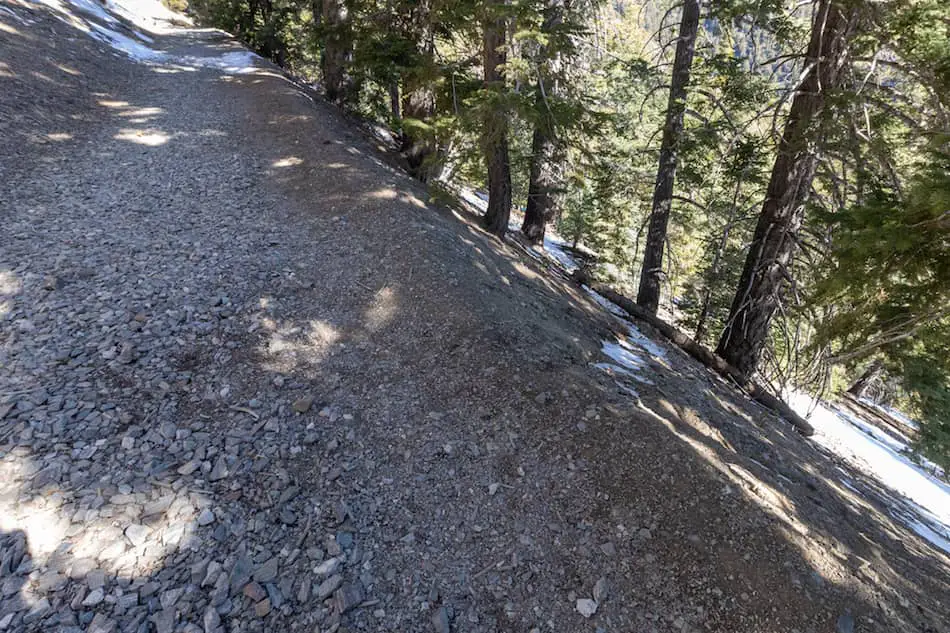
Shortly after diverging from the Big Horn Mine Trail, you’ll arrive at a small clearing where the century old cabin entices you to continue exploring.
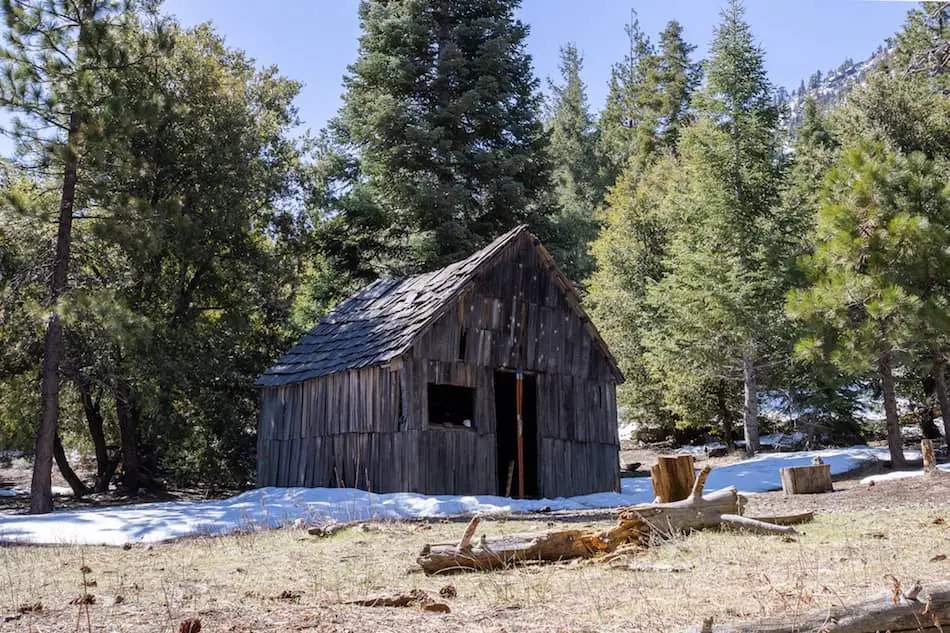
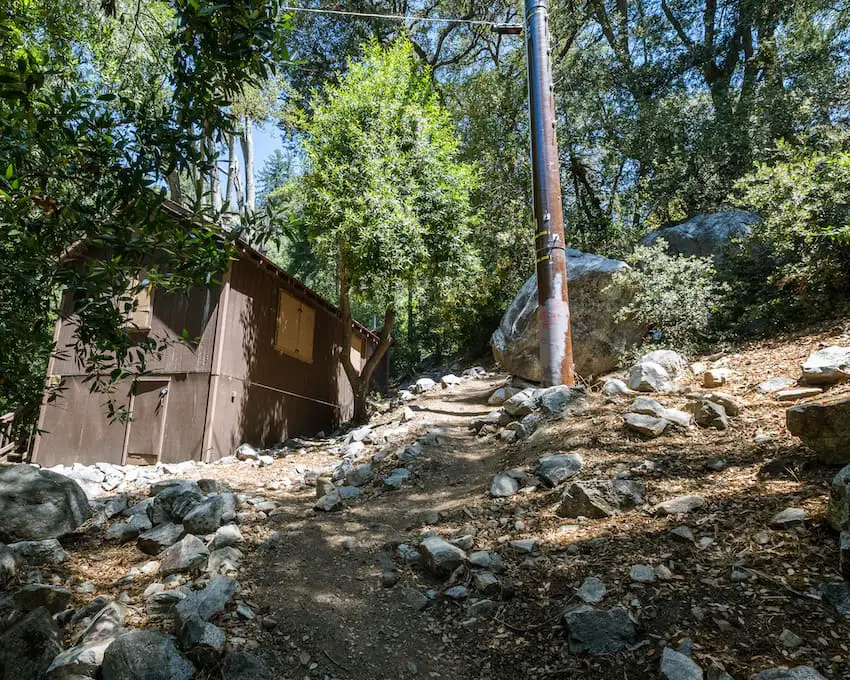
It was the hermit Charles Tom Vincent who built this cabin back in the early 1900s to avoid civilization. The cabin is tiny, only about 10 by 12 feet, with a chimney and two windows.

Rusted pots and cans lay scattered throughout the place, but I was unable to determine wether they belonged to him or someone more recent.
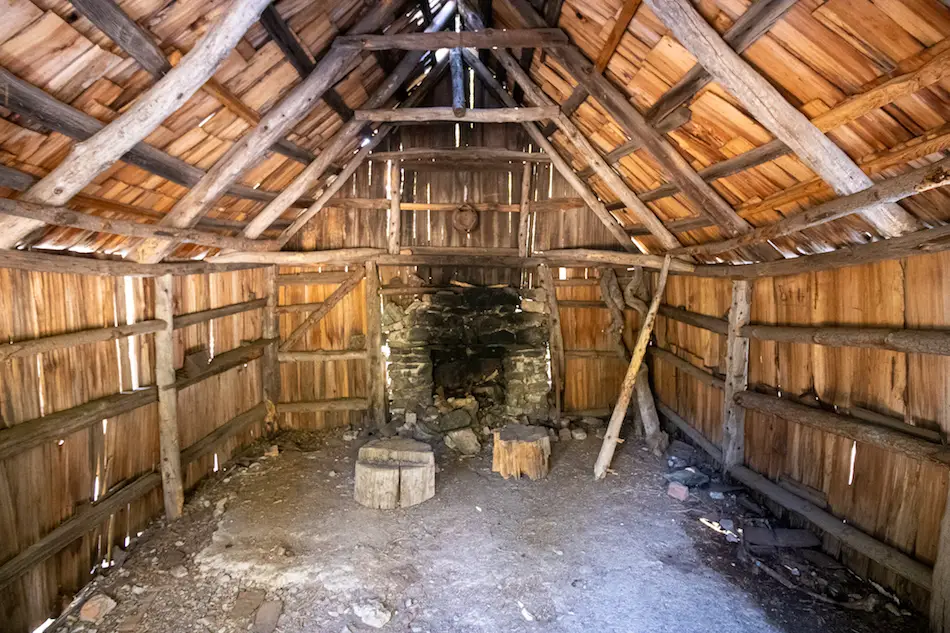
Imagine how difficult it was for Vincent to keep warm in this tiny one-room home or how he managed to sleep at night knowing wild Grizzly bears wandered outside his cabin and could easily break in if they wanted to. 

Not surprisingly, it was an attack by three grizzly bears that put the living legend to rest, but I’ll get into that in the next sections.

Big Horn Mine History
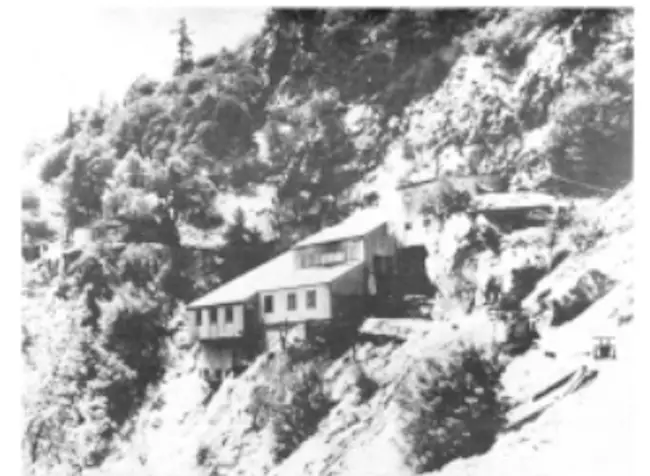
*Photo credits and information gathered from Wrightwood Roots

Located deep within the slopes of Mount Badel Powell, The Big Horn Mine was founded in 1895 by civil war veteran Charles Vincent Dougherty (later changed his name to Charles Tom Vincent) while out on a hunt for Bighorn Sheep.

After discovering gold, he quickly partnered with his Civil War friend Charles Locher (Lockwood) and prospector N.D Shippy.

Unfortunately, the strenuous and expensive process of gathering and crushing the ore became too costly for Vincent and his buddies.

He sold the mine to Lowell and California Mining Company in 1902 but kept two other claims known as the Blue Cat Mile and Little Nell Mile.

At over 300 ft deep and 8700 ft (roughly two miles) long, the Big Horn Mine became a colossal project.

Unfortunately, Vincent and his partners missed out on their luck as the mine produced over $100,000, primarily in gold, but also silver, copper, and lead.

The years that followed were some of the most productive and profitable times for the new miners, specifically from 1903 to 1906.

The mine was abandoned after a decade of hard and rewarding work only to be reopened in 1934 and closed down again two years later.

Old Vincent’s Mysterious Past

Charles Vincent was seen as a mysterious man. He left Arizona, where he worked as a prospector, to try his luck in sunny California.

He built a small cabin in Vincent Gulch, and spent his time hunting and mining. Always on the chase for of gold.

Living in the mountains posed a real threat for Charles, not only from extreme weather, but also from the notorious California grizzly bear, which was not extinct during that time.

Unfortunately for Charles, he was out on a hunt when he accidentally snuck up on three grizzly bears.

The three bears charged at Charles. He shot and killed the first two, but in a misfortunate turn of events, his gun jammed before he could shoot the third.

He knew he would never be able to outrun the third bear, which meant only one thing. He had to stand and fight for his life. He quickly took out his knife waited for the bear.

How Charles managed to single handedly kill a full grown grizzly with a knife can only be speculated. However, all was not well.

Shortly thereafter, Charles succumbed to his injuries in 1926 in a Los Angeles hospital. Interestingly enough, he confessed one of the biggest sins of his life before passing away.

He claimed to be responsible for the death of three men in Arizona. Apparently, Charles and a friend were returning to their cabin after a day of working their claim only to be surprised by three strangers ransacking their house.

They shot the three men and buried them on the spot.

Fearing repercussion from the law, Charles fled Arizona, changed his name, and moved to the secluded region in the Western San Gabriel Mountains where he lived out the rest of his life.

He was laid to rest in the veteran’s cemetery in Westwood, CA.

FAQs

Is The Big Horn Mine Haunted?

The appalling history and backstory of the man behind the Big Horn Mine have led people to believe the place is haunted.

Some visitors have mentioned hearing voices or growls within the tunnels and experiencing chills in certain areas.

Can You Go Inside The Big Horn Mine?

It is still possible to venture inside the Big Horn Mine. 

Why Was The Big Horn Mine Abandoned? 

The Big Horn Mine was abandoned because, like most mines in Southern California, it became unprofitable to run operations. 

How Long Is The Big Horn Mine Trail?

The Big Horn Mine Trail is a roundtrip total of 3.84 miles.   

Is There Still Gold In The Big Horn Mine?

Extensive testing has revealed that large quantities of gold are still present in the hard rock of the Big Horn Mine. 

Has Anyone Died In The Big Horn Mine?

There are no recorded deaths in rhe Big Hon Mine.

What Was Mined At The Big Horn Mine?

3701 ounces of gold old was primarily mined at the Big Horn Mine, but also 2430 ounces of silver, 1357 ounces of copper, and lead. 

How Deep Is The Big Horn Mine?

The Big Horn Mine is roughly 300 feet deep and contains about 2 miles of underground passageways.
Dawn Mine Trail: Hike to an Abandoned Gold Mine from 1895 (Closed)

Dawn Mine Trail: Hike to an Abandoned Gold Mine from 1895 (Closed)

  • Total Miles: 4.66
  • Time: 2.5 – 3 Hrs
  • Difficulty: Moderate
  • Best Season: All Year
  • Elevation Gain: 1175 ft
  • Max Elevation: 3156 ft
  • Type of Trail: Out & Back
  • Parking Lot: Fits ≈ 10 cars
  • Dogs: Allowed On A Leash
  • Restrooms: Not Available
  • Trail Popularity: High

Want to explore an abandoned gold mine deep in the canyons of the San Gabriel Mountains? If so, I have just the perfect trail for you.

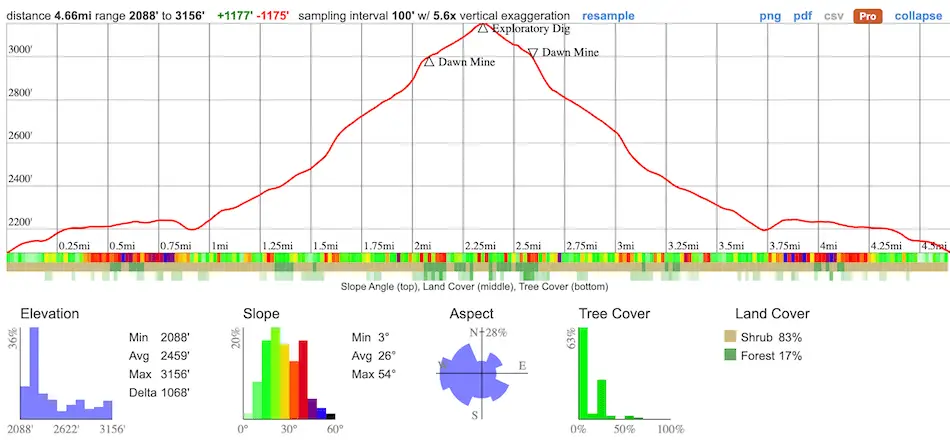
The Dawn Mine Trail via Sunset Ridge is a 4.66-mile round trip hike to a mine near the city of Altadena, California. It’s a heavily trafficked, moderate trail that begins on a paved road but quickly converts to a dirt trail which leads hikers to the scenic canyon floor.

Dawn Mine Trail Map

powered by Advanced iFrame

Dawn Mine Elevation Profile

Download Printable PDF Map

Directions and Parking

Click the link to be redirected to the Dawn Mine Trailhead via Google Maps: 34.214819, -118.147778

If you can’t find parking at the trailhead (pictured below), you can park at the Millard Campground Parking Lot and hike up an additional 0.7 miles via the Sunset Ridge Trail to get to the Dawn Mine Trail. Details can be found on the map. 

Helpful Links

Weather Forecast

SoCal Adventure Pass (required to park in SoCal mountains)

Hiking The Dawn Mine

I walked past the white gate, and made my way up the Mt Lowe Rd. 

The sun was shining bright above my head, and it felt very warm. I could tell this part is unpleasant during the sizzling summer months. Be sure to wear sunscreen and a hat!

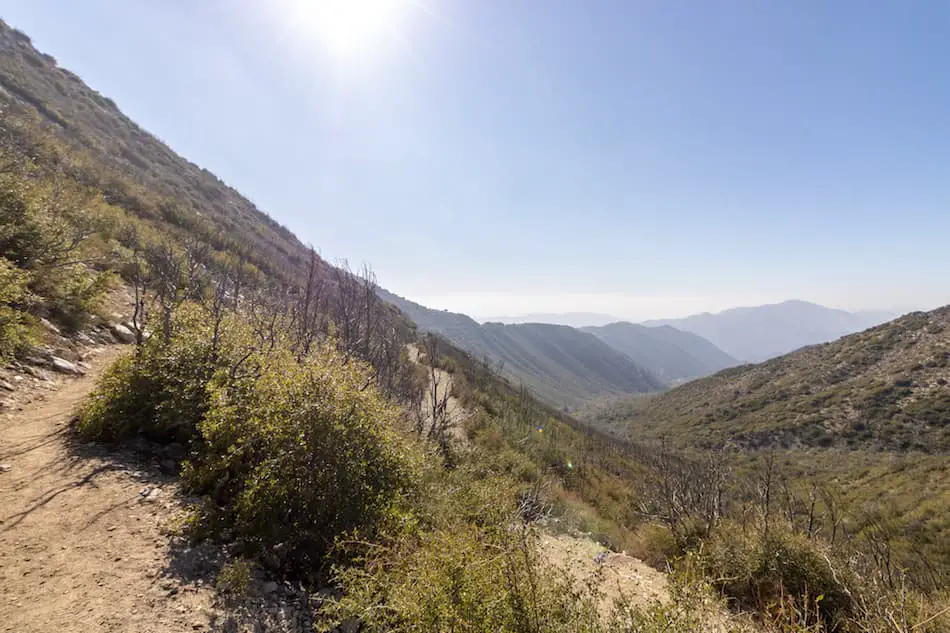
While still on Mt Lowe Rd, I reached a fork where the Sunset Ridge begins once again after being cut off by the Mt Lowe Rd, and headed left. 

Walking along the Sunset Ridge trail is nice since it was mostly shaded. I could hear Millard Falls flowing and people’s voices echoing throughout the canyon.

After walking over a very interesting iron bridge and passing old cabins, I had reached the canyon floor. From here, I had to cross the creek to continue. Some sturdy trekking poles are recommended, but not necessary for creek crossings along this trail.

I can see why this trail can get a little confusing for someone who has never been here but keep a lookout for any signs like the one below.

There’s a fun wooden bridge to walk on. I spotted old steel remnants scattered about this trail, like the one on the left of this bridge. 

After carefully crossing through the stream a few times and climbing over big boulders, I was getting closer to the mine. 

I came across another junction. The left side leads down, then ascends up to the mine. The right side requires more work, climbing up the rocky stairs. It also takes a little longer than the left route.

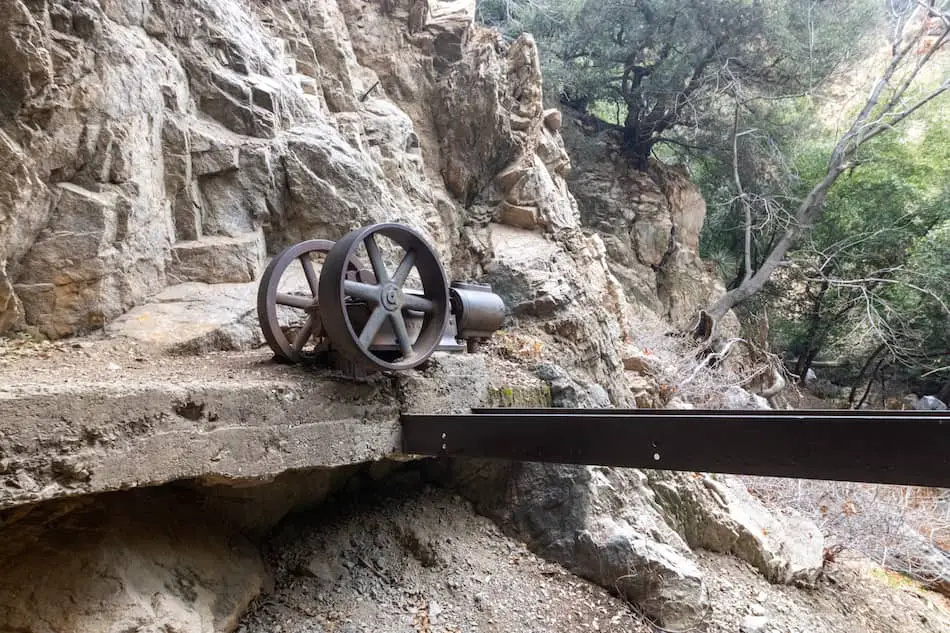
This old water pump system is a very popular photo spot before getting a look into the Dawn Mine itself.

It’s well over a century old!

Behind the rocks, you can see where people used to access the inside of the mine. Since June 2017, it’s been boarded up by this metal gate…never to be accessed again.

The tunnel above this one, which is pretty risky to climb to, is sadly boarded up as well. That one has a 20-foot shaft, which you wouldn’t want to fall into.

I flashed my light through the darkness and got a peek inside this small and narrow tunnel.

Although inaccessible, it’s still really awesome to see!

It’s interesting to imagine how they used to perilously and bravely walk through these tunnels, over a century ago, in search of precious gold.

These miners risked their lives for riches and in dreams of better lives. Now, the Dawn Mine sits cold and untouched.

Is there still gold in this mine? Possibly, but now we’ll never be able to find out for ourselves.

BONUS: Open Tunnel Upstream

There’s an exploratory dig further up the creek which you can enter and explore. It’s only about 50 feet long but worth the extra trek. 

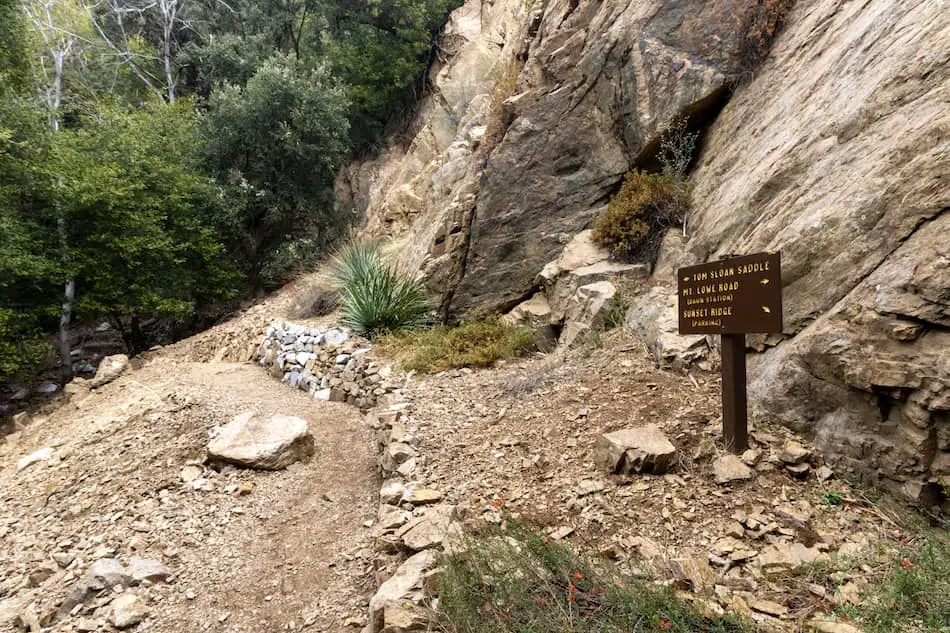
To get there, continue up the trail. When you spot the sign in the image below, take the “Tom Sloane Saddle” path. 

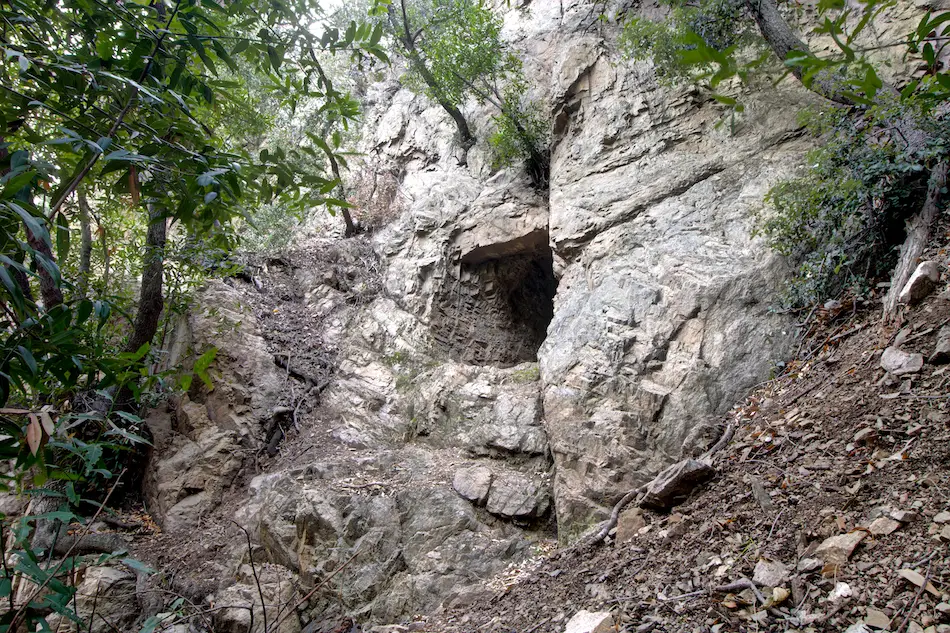
About 5 to 10 minutes later, you’ll see the portal on the left side of the trail. 

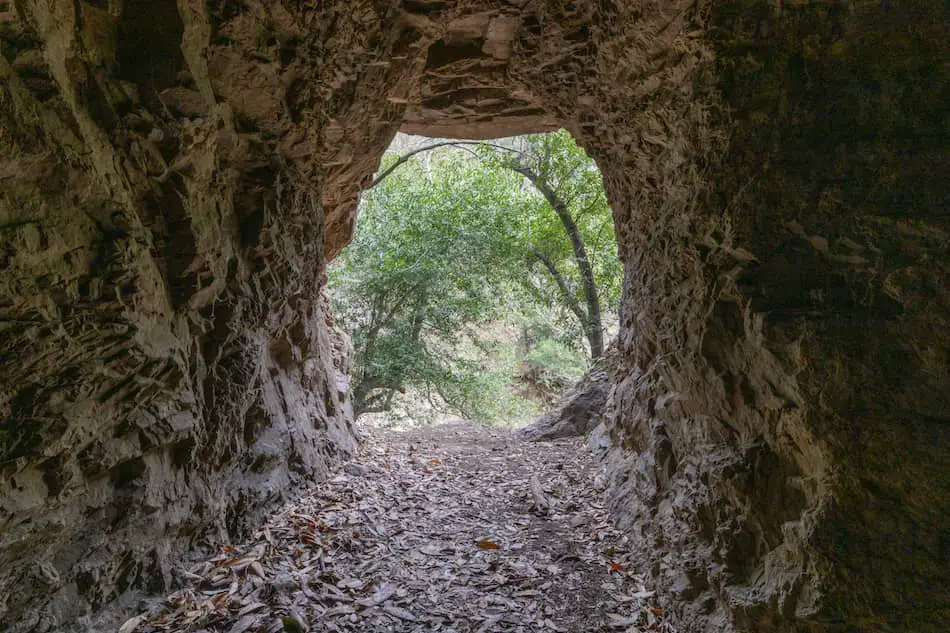
It goes in less than 50 feet. At the end of this tunnel, you’ll see a wall of slimy, icicle-looking stalactites, called calcium carbonate deposits.

Although it’s interesting to peer through the Dawn Mine portal, it’s not as exciting as venturing inside.

Dawn Mine History

Back in 1985, a man by the name of Bradford Peck staked his mining claim above Millard Canyon in the San Gabriel Mountains. He worked at it for about 7 years, which was barely successful.

Later, in 1902, the ownership of the mine was transferred to a very experienced Australian miner by the name of Michael T. Ryan. 

Ryan took the operation further and went tunneled deep inside the Millard Canyon walls. He was bringing in some profit for about seven years, but then reached a problem. It was becoming more and more difficult to transfer the ore down the canyon. 

He ended up building a steep trail for his mules, Jack and Jill. These hard-working mules would carry the ore up to the Dawn Mine Station. From here, the ore traveled via railway down to the valley for further processing. 

Sadly, in 1929, Ryan’s death approached. The mine sat still for some years. A few years later, other miners would try their look in search of hitting it big.

But, the Dawn Mine was ultimately a cycle of hopeful miners, some success, and then official abandonment by 1954. 

Over the years, curious adventurers would crawl through the lower tunnel and explore the inside. They would find 55-foot deep water shafts, along with small exploratory inlets. 

Other, more experienced adventurers, would carefully climb up to the upper tunnel and carefully walk around the 20-foot deep shaft that is located right by the entrance.

Now, it’s closed for entry. But, it’s still an interesting and fun hike to venture to in the San Gabriel Mountains. 

Fun Fact 

Funny enough, the Dawn Mine isn’t named after any of the owners or men who worked there. It was actually named after Peck’s friend’s daughter, who was from another mining company. Her name was Dawn Ehrenfeld.

Las Flores Canyon: Trail to 5 Secret Mines in Haunted Forest

Las Flores Canyon: Trail to 5 Secret Mines in Haunted Forest

Distance 

2.1 Miles

Time

~1.5 Hrs

Difficulty 

Moderate

Season

All Year

Elevation Gain

620 Ft

Las Flores Canyon trail is a 2.1 mile, roundtrip, hike near Altadena, California that leads to 10 secret mines. This short, 1.5-hour trail is rated as moderately difficult due to narrow and steep paths. The elevation gain of this trail is 630 feet. Dogs are not recommended on this trail. 

Want to explore the best hikes in the Pasadena? Check out the link below!

Best Hikes in Pasadena

I just have one favor to ask. Please do not tag or name this place on social media, as that is the precursor to tons of trash and graffiti. Thank you and enjoy!

Map of Las Flores Canyon Trail

powered by Advanced iFrame

Directions and Parking 

Here are clickable directions to the Cobb Estate Address: 3302 Lake Ave, Altadena, CA 91001 

I parked along the street near the entrance. Keep in mind that this place is popular, so parking right by the entrance might be limited. However, you can park in the nearby neighborhoods as well. 

The Hike Begins

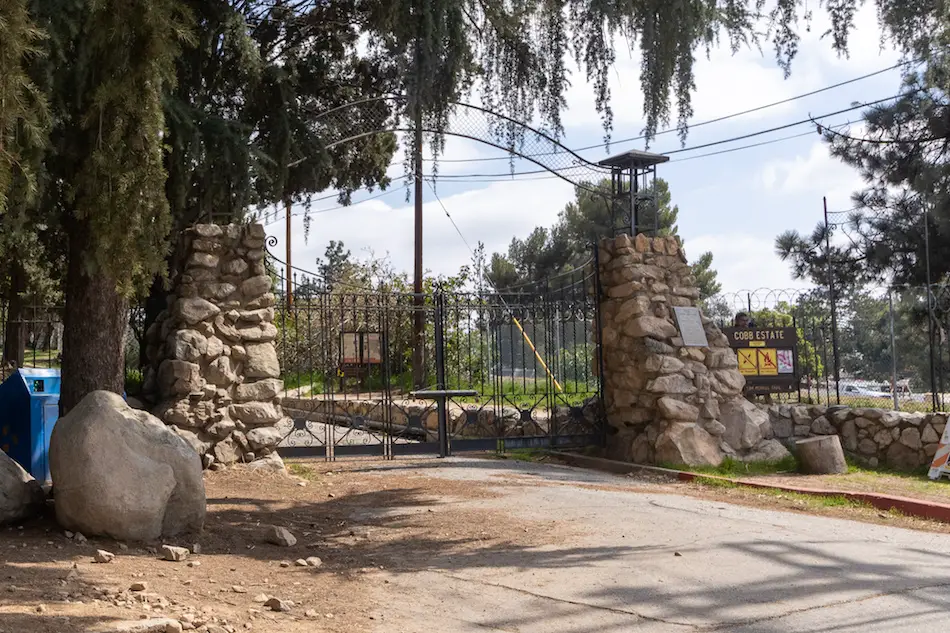
The hike starts off beyond the tall gates.

From here, I walked down the old and deteriorated paved road. 

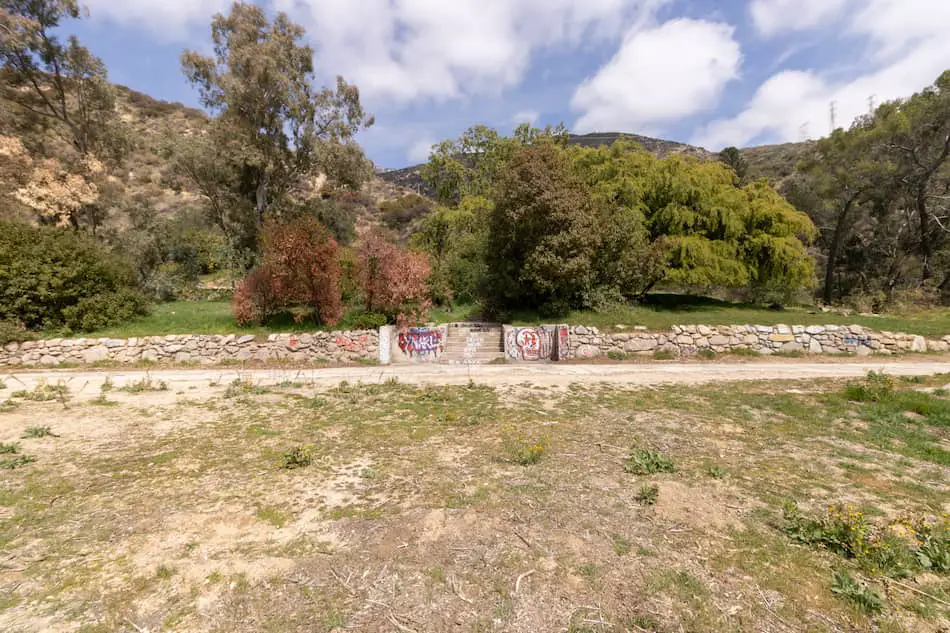
Passing the side road that leads up to Echo Mountain, I continued on the slightly steep path towards the now-graffitied ruins of what was the grand Cobb Estate. But, a little more information on the haunted estate later.

Unfortunately, the popularity and accessibility of this hike have led to vandalism. 

I could only imagine how this place looked many decades ago when the mansion was still standing strong.

A quick view up, I could see the ant-sized humans trekking their way towards Echo Mountain on a very sunny Sunday afternoon.

Continuing on the cracked pavement, I had spotted a deer crossing the road! Unfortunately, I couldn’t get a good picture. Elated by the sight, I happily resumed the walk.

Las Flores Canyon Trailhead

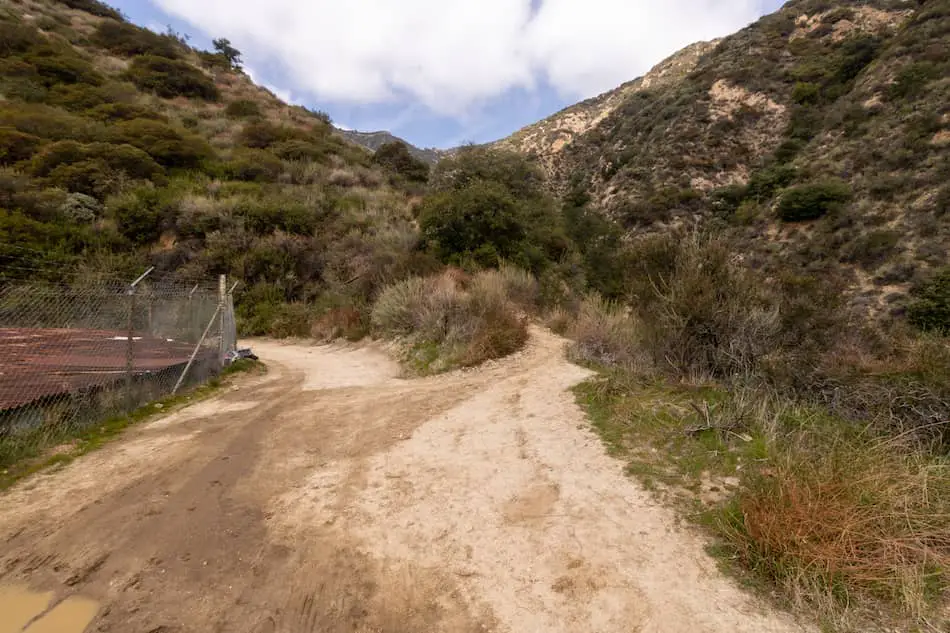
Walking along the dirt road I came towards a fenced building.

The dirt road splits into two, and the trailhead to Las Flores Canyon Trail begins on the right-hand side, off-trail from the main dirt road.

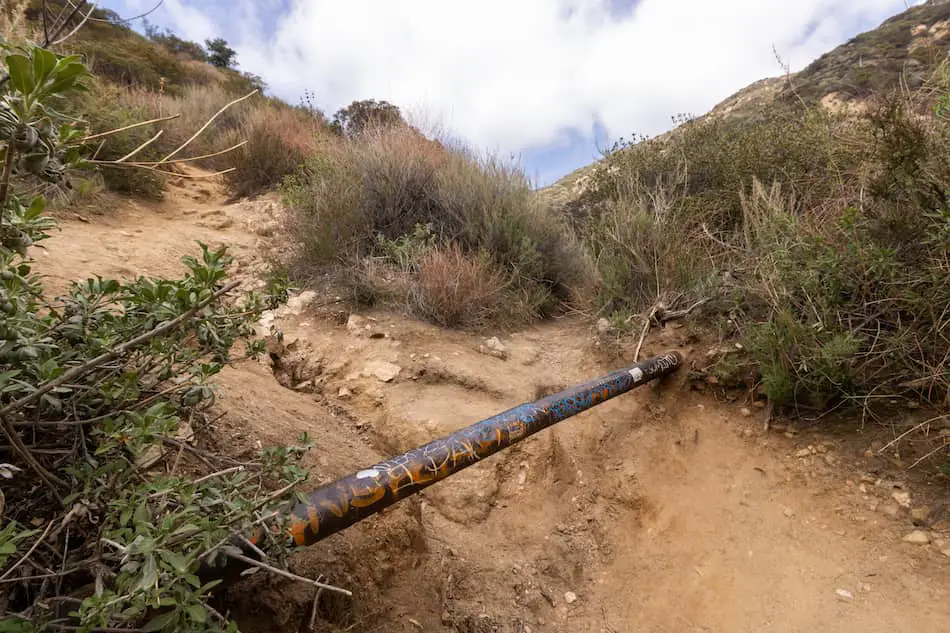
I spotted this rickety water pipeline and continued on the right side, which leads down the path. 

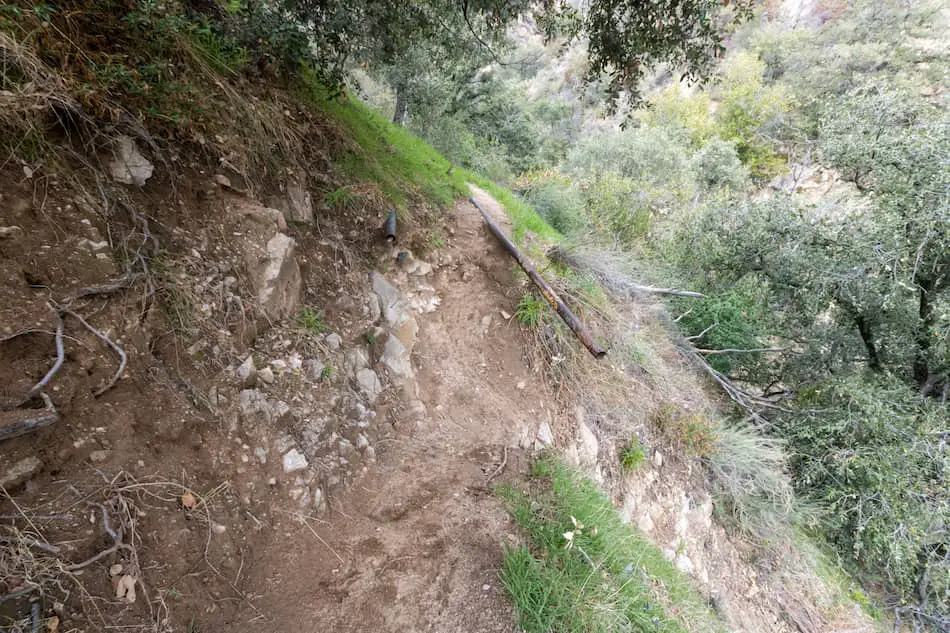
Now, I do consider this trail to be somewhat tricky and challenging for beginners. The reason being is that there are some very narrow pathways, such as the one below. 

An accidental slip with the non-grip shoes or wrong-footing could lead you plummeting down the steep hill.

There were a few other tricky parts on the trail where I had to carefully walk through narrow footpaths. Be sure to take your time, there’s no rush getting to these lesser-known mines. 

Mine #1 – Buckley Mine

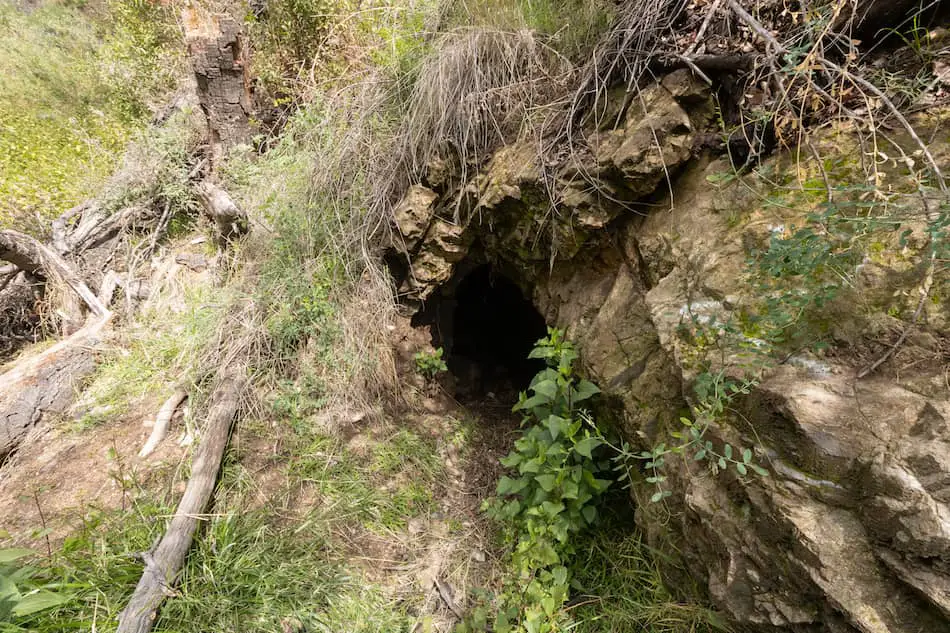
The Buckley Mine is the first small mine that I spotted. It only goes in less than 15 feet. It was considered an exploratory mine and only operated from 1893 to 1894- very short-lived. 

Mine #2 – Unidentified

Further down, I came across another mine/tunnel. For now, I’ll just call it the unidentified mine #1. I found this one located across from the dirt path I was on. You’ll see it, trust me. Feel free to peek inside if you’re curious!

Mine #3 – McNally Mine

The third mine I spotted was the McNally Mine. It was originally a gold mine but was then converted to a water tunnel. Its years of operation for gold were also from 1893 to 1894. It goes in about 315 feet or more. 

About 43 feet in, the tunnel becomes really narrow. Probably too narrow for any adult to fit through. Sigh. 

Mine #4 – Unidentified

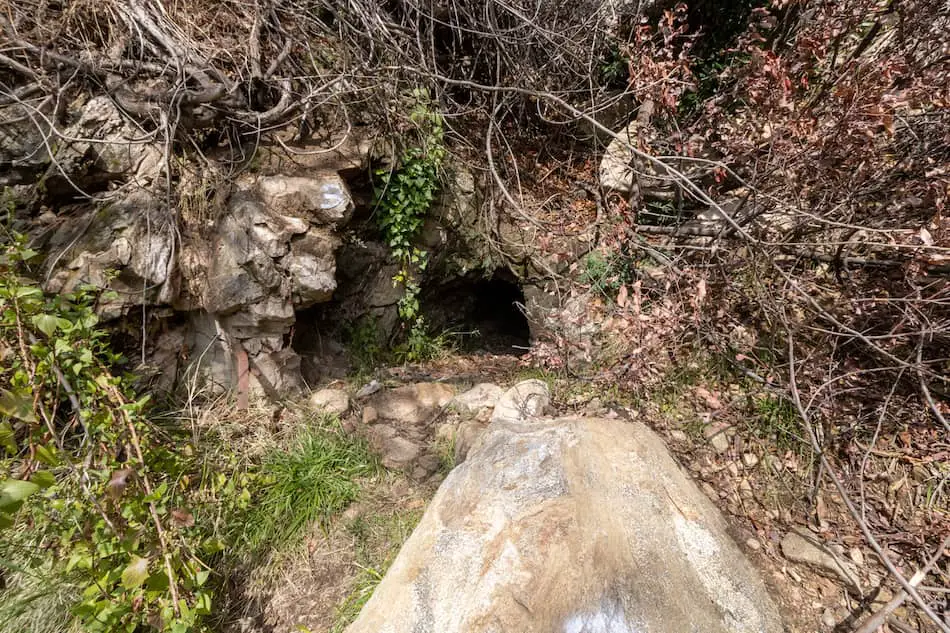
Along the way, I spotted this other mine to the left of me. I’ll call this one the unidentified mine #2. It was a bit too small and narrow for me to comfortably fit through. 

Unfortunately, I don’t know the story behind this one. 

If you have any information, feel free to shoot me an email!

That was the last mine/tunnel I came across before getting to the main one. 

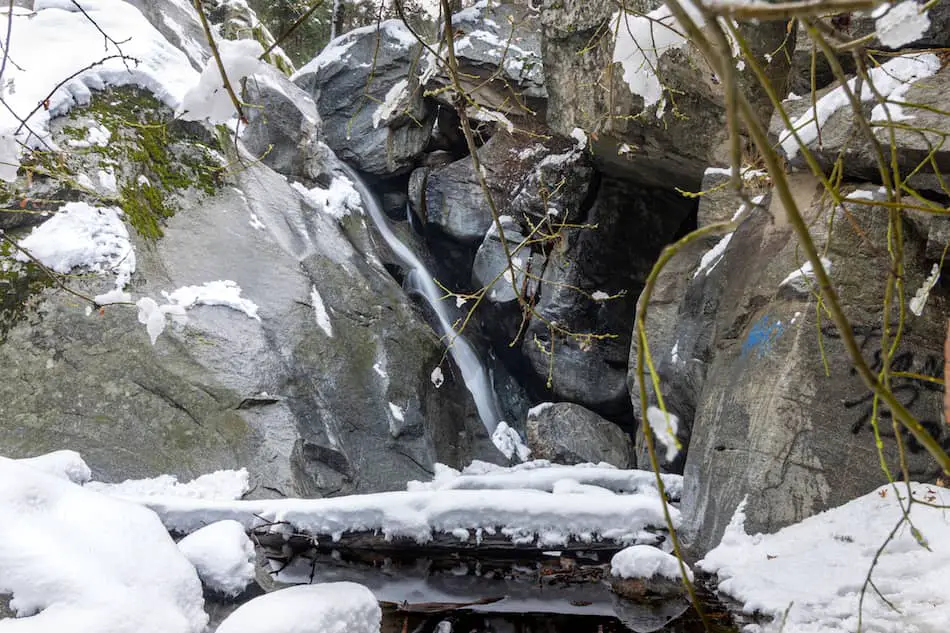
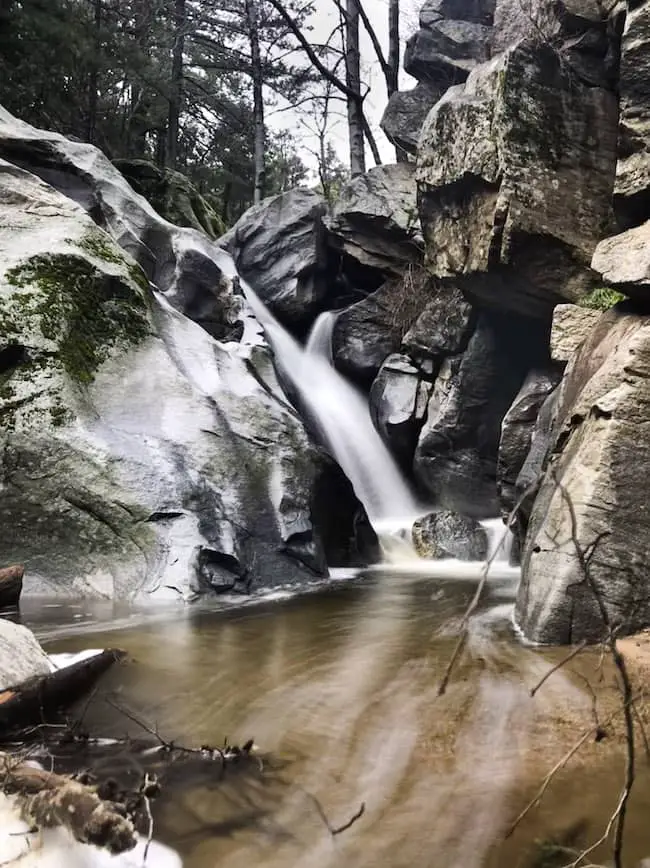
Getting closer to the bigger mine, there’s a small waterfall. A nice little treat that I didn’t expect!

There was a bit more water flowing than what the picture shows.

I then came across what could potentially be a waterfall. After heavy rainfall, I could see it having a nice little flow or trickles of water.

Mine #5 – The Main Mine 

After climbing over some trees and steps, ascending down from the steep dirt trail, and then ascending up a rocky pebbled pathway, I finally came to Tunnel #4. 

This mine, like the rest, only operated from 1893 to 1894 as a gold mine and now goes in about 100 feet. It’s definitely the most interesting and fun mine out of the five.

Something interesting about this mine is that there are tons of cave pearls. They resemble actual pearls but are much rougher in appearance.

Surprisingly, this mine has way more than what is normally found in mines or caves.

Las Flores Mine

One of my favorite shots was from inside of the cave looking out. 

To the left of the mine is this portal entrance. I’ve gone inside before and crouched my way through until the tunnel’s ceilings got higher. I mostly had to walk through shin-deep water for a quarter of the first section.

I decided not to venture inside this time because it was radiating heat. It felt like a sauna, which was weird because it didn’t feel that way the first time. 

Who knew Las Flores Canyon was home to multiple historic gold mines that you can still see and venture inside of today. 

I definitely recommend this short, yet challenging trail if you’re looking to avoid the crowds. 

History of Las Flores Canyon

Las Flores Canyon Mines

The mountains and canyons above Pasadena caught the attention of many prospectors during the Gold Rush. 

Las Flores Canyon was a hot spot for mining operations, especially during 1893-1894. A man by the name of William Twaddell formed a mining company, staking out multiple claims here. Some of these were named the Golden Star, Monitor, and Bald Eagle. 

Because of the water shortage at the time, they couldn’t afford to construct or finish a lot of these mines, which explains why these mines are so short.

The Cobb Estate  

Known as the “haunted forest’ to many Angelinos, the Cobb Estate is definitely an intriguing place to visit. 

Charles H. Cobb and his wife Carrie built their Spanish-style estate back in 1918. The home was lavish, elegant, and modern with its imported hardwood floors and exotic outdoor landscape. The house was one of the only homes to have air-conditioning, which was unheard of at the time. 

Cobb lived at the estate until his demise in 1939. His home was then deeded to the Pasadena FreeMasons. Later, in 1959, the Brothers Marx had the home torn down. 

Why does it get the nickname “haunted forest”? Well, it’s been said that Cobb’s spirit still roams the area. Another rumor that circulates is that the Brothers Marx haunt the place. 

Allegedly, visitors have heard unidentified screams and feel as though they’re being followed.

But, who knows whether that’s true or not. 

Body Found near Cobb Estate 

To add to the creepiness, a woman was found dead near the Cobb Estate back in 2019. 

Visitors had mentioned a foul smell coming from the tent. Sadly, police discovered it was a deceased body that had been there for some time. No one knows what happened to that poor woman. 

Stonewall Peak: Breathtaking Panoramic Views

Stonewall Peak: Breathtaking Panoramic Views

Distance 

3.9 Miles

Time

~2 Hrs

Difficulty

Easy

Season

All Year

Elevation Gain

830 Ft

Stonewall Peak is a 3.9 mile, roundtrip, hike in Cuyamaca Rancho State Park near Julian, California. It has a total elevation of 5,730 feet, with an elevation gain of 830 feet, and takes 2 hours to hike. Stonewall Peak is currently open from 9 AM to 8 PM. Parking is $10 at Paso Picacho Campground. Dogs are not allowed on this trail.

Stonewall Peak Trail Map

powered by Advanced iFrame


Stonewall Peak Directions and Parking

Here are directions to Stonewall Peak: Stonewall Peak Trailhead, Stonewall Peak Trail, Julian, CA 92036.

Tip: If you make the mistake of leaving in the afternoon, you can avoid some of the bumper-to-bumper traffic along the I-5 S freeway by hopping on Highway 78 (just before Carlsbad), then taking the 15 freeway, and so on. If you have a GPS, it should reroute you once on this freeway. 

Parking is $10 at Paso Picacho Picnic and Campground

Hike to Stonewall Peak Begins

The trailhead is right across the road from the parking lot. There are a few signs on this trail that tell you where to go. 

As I was ascending the trail, I got a glimpse of Stonewall Peak. It looks far, but only takes about 2 miles to get to the top. 

A little past 4 PM and the snow was beginning to melt from both the sun and early birds who hiked the trail before me.

I highly recommend waterproof shoes with grip for the icy and slushy parts of this hike. 

The sunlight came and went, illuminating the snowy path beautifully. 

Along the trail, I could see Lake Cuyamaca from a distance (in case you’re wondering, this lake is manmade). 

I noticed the dark clouds beginning to roll in. 

The trail was quickly enveloped by a dense, foggy mist. It gave the trail a mysterious and eerie look, especially since we were the only ones there.  

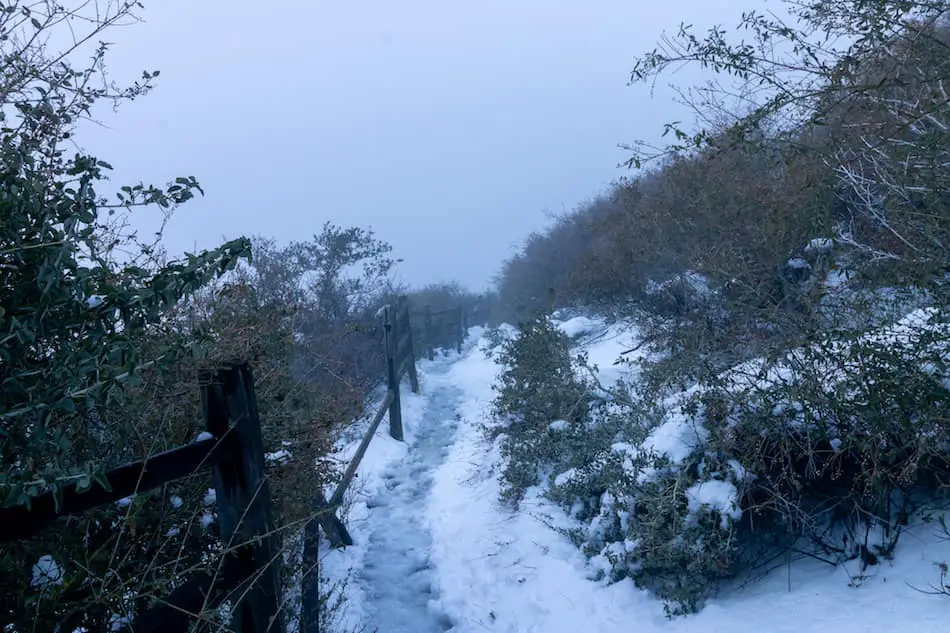
Throughout the trail, there are many switchbacks with fascinating views of the snowy footpath. 

The wooden fences, snow-covered ground, and red-colored boulders made me forget I was in San Diego!

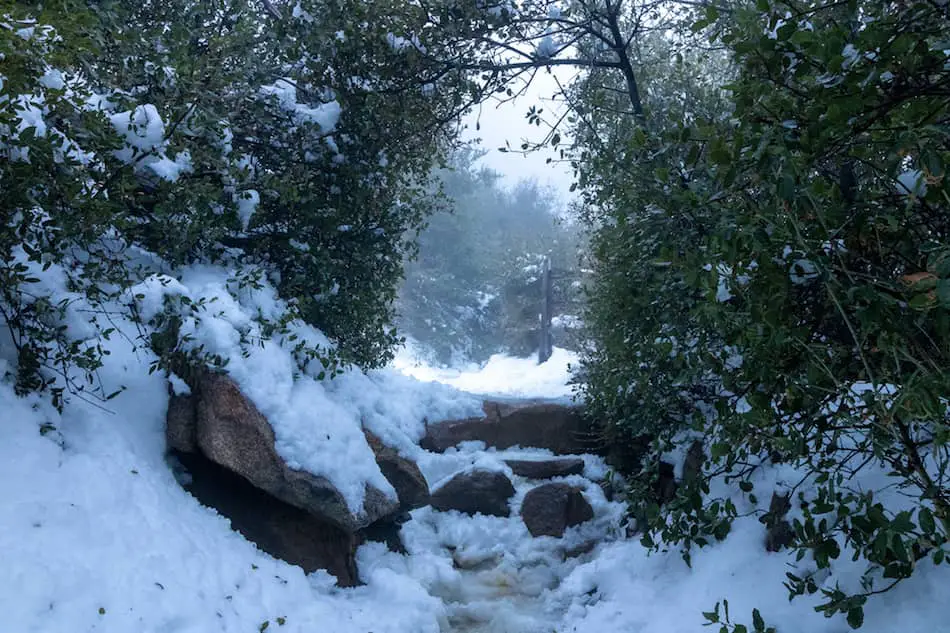
A little over halfway to the peak, I spotted a bit of sunlight peeking through again. This was one of my favorite sights before getting to the top. The archway of trees and stone steps looked like something out of a movie. 

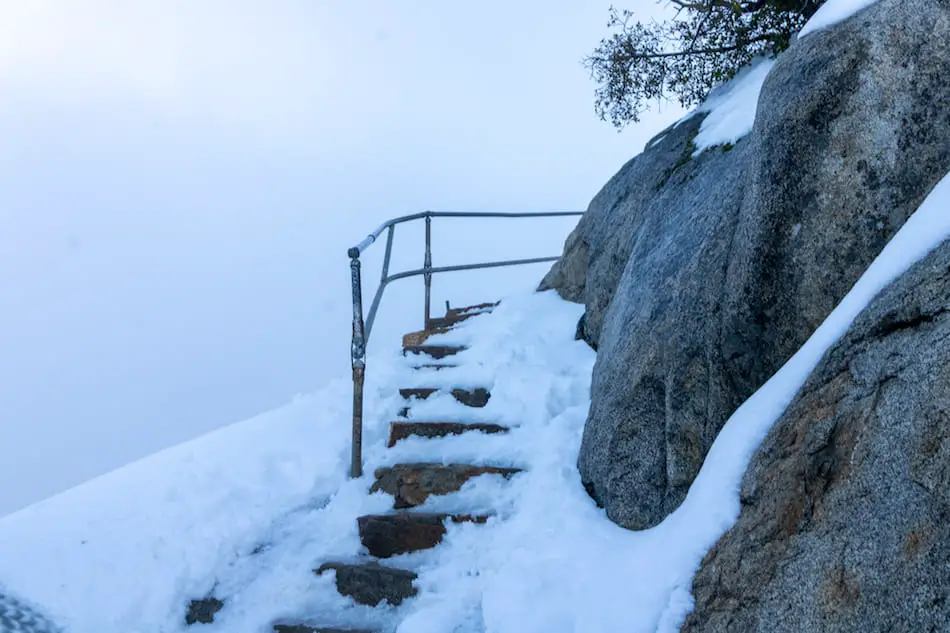
After walking almost 2 miles through cold and wet snowmelt, I could see the stairs that led to the peak. 

The hazy gray sky made me feel as though I was walking into the unknown. 

Here’s an awesome shot of the final steps to the top. 

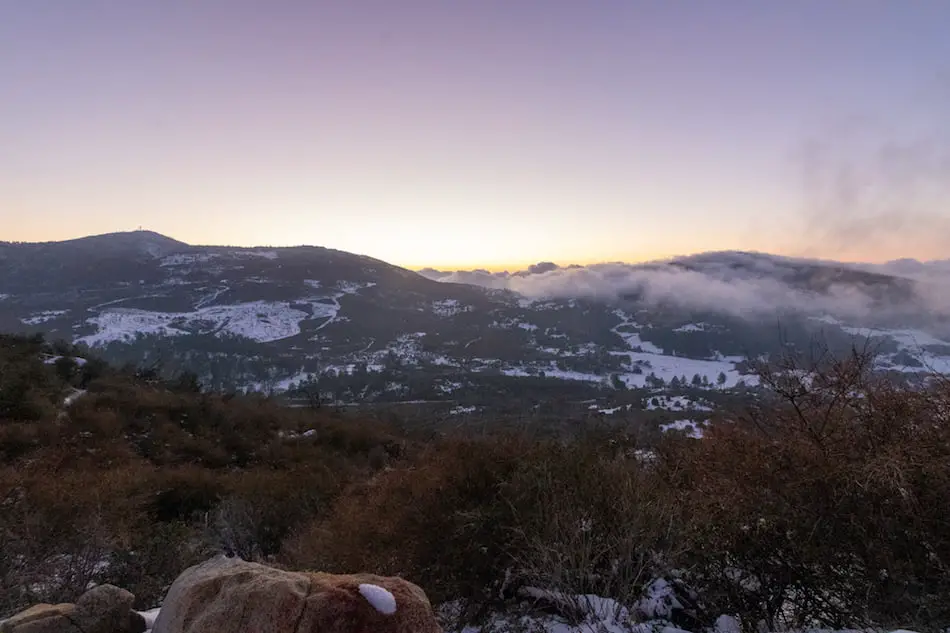
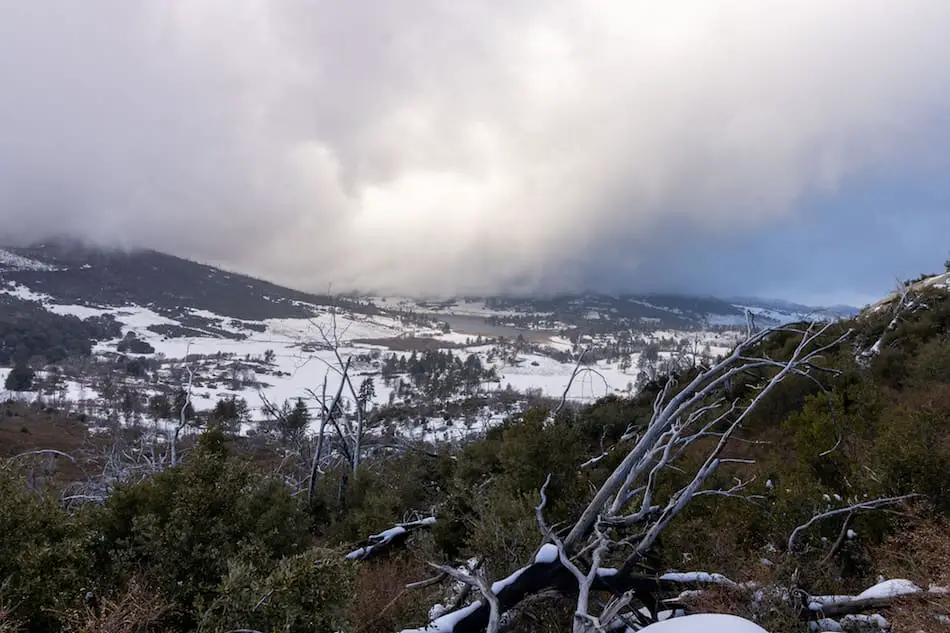
Once at the peak, the clouds were quickly moving in and out. I got to see the snow-covered valley below. I can imagine it looks just as amazing on a day with clear, blue skies.

The clouds made this scene look epic, especially since the sun was beginning to set. 

Once the haze covered everything in sight, it was time to head back down the mountain. 

Descending the trail, I turned to view this amazing sunset. The clouds had parted, just in time to watch it go down. 

I wouldn’t have thought San Diego has such a fun and easy winter snow hike. I highly recommend it after a snowfall, as long as you bring the right gear!

History of Stonewall Peak


How Stonewall Peak Got its Name


I first made a wild guess and thought it was named after the stones along the mountain and trail. Seems like it makes perfect sense, right?

It’s actually named after a gold mine, located on its northeast slope. Originally called the Stonewall Jackson Mine, it was later changed to Stonewall Mine after the Civil War. 


Here’s a little background on Stonewall Mine. 

In the town of Julian, within San Diego County, prospectors came to the area in search of gold. The city grew as miners began working and exploring here. In 1870, gold was discovered further south of Julian. Then, the Stonewall Mine began operating.

Surprisingly, this mining operation was booming! It soon became the most profitable mining operation in the entire county, bringing in more than 2 million dollars of gold. 

Because of the influx of miners and people to the Cuyamaca mountains, there was a need for a better water source. Lake Cuyamaca was then constructed, which brought water to not only the miners and their families, but San Diego city as well.

In 1933, the mine was bought by Ralph Dyar and operations ceased. Although the mine has been filled in, you can still see the remnants of the mine and the nearby city. 

Mount Lowe Hike: Wander to A Peak Above the Clouds (Closed)

Mount Lowe Hike: Wander to A Peak Above the Clouds (Closed)

Distance 

3.2 Miles

Time

2 Hrs

Difficulty

Moderate

Season

All Year

Elevation Gain

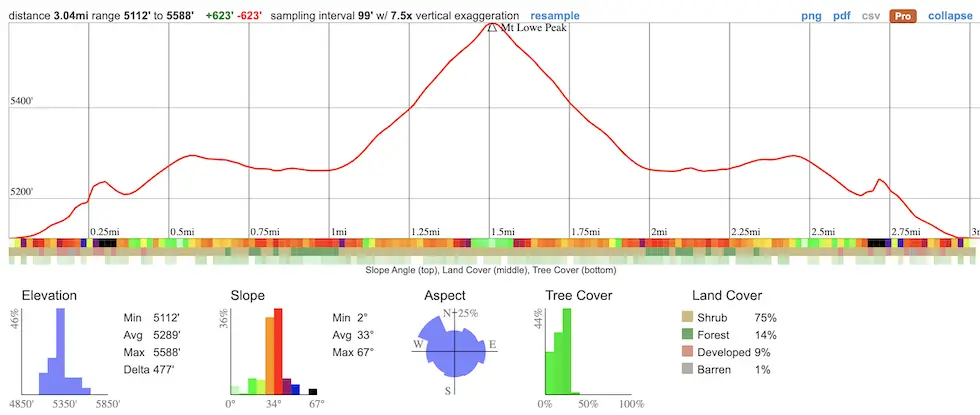
623 Ft

Did you know you can view the valley from an altitude of 5588 feet as well as amazing sunset views of Mount Wilson, Mount Baldy, and Los Angeles? Visit Mount Lowe peak for your next adventure! 

Mount Lowe Railway Trail via Eaton Saddle is a 3.04 mile, round trip, hike located on the southern fold of the San Gabriel Mountains near Altadena, CA. This easy to moderate level trail features panoramic views and a tunnel. The elevation gain is 623 feet. Dogs are allowed on leashes.

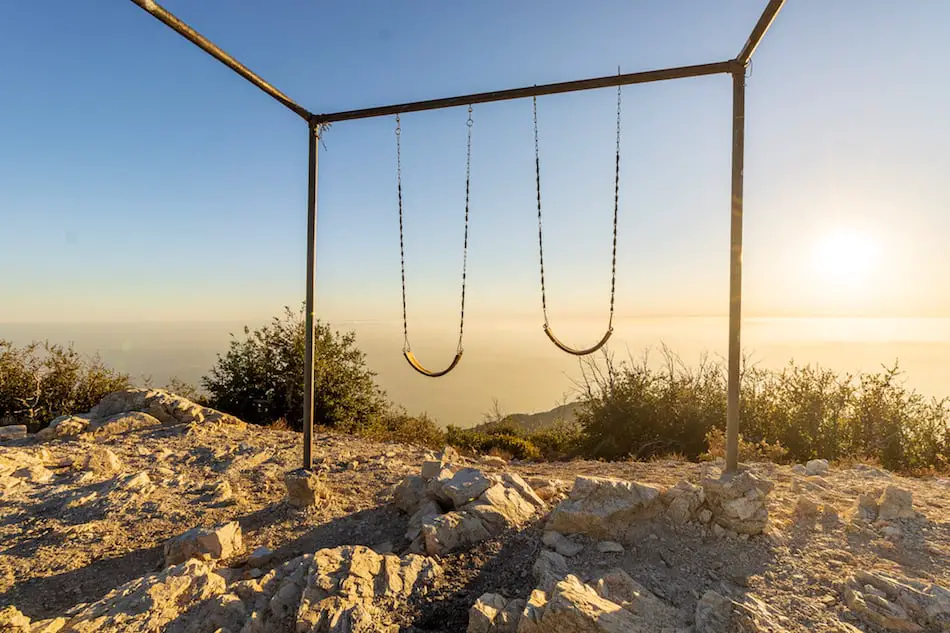
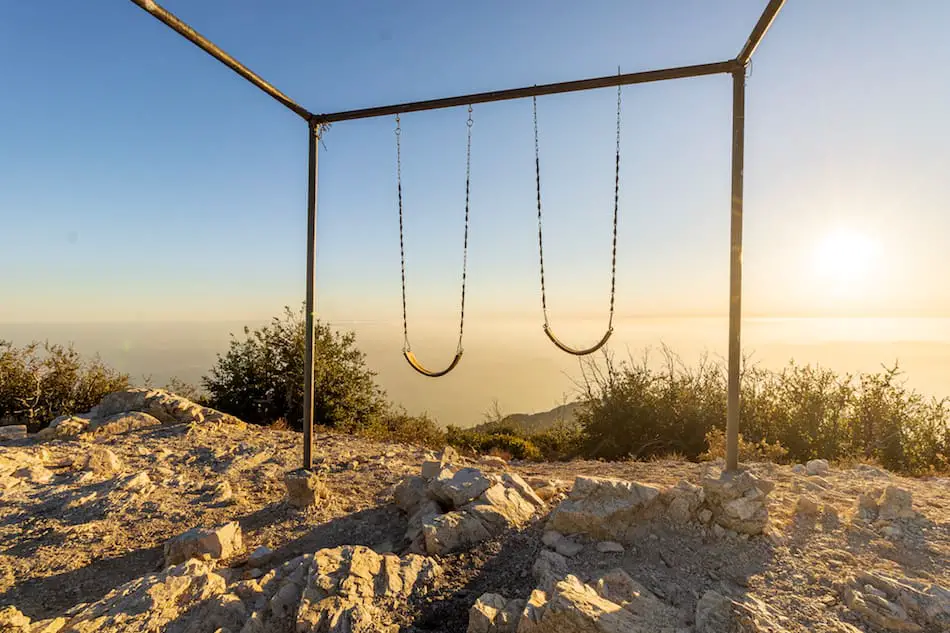
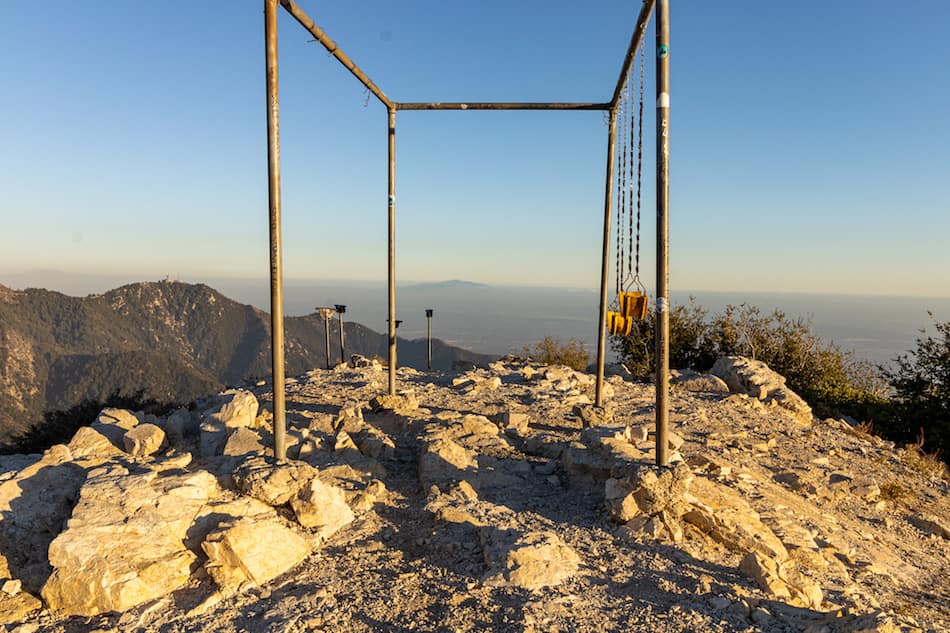
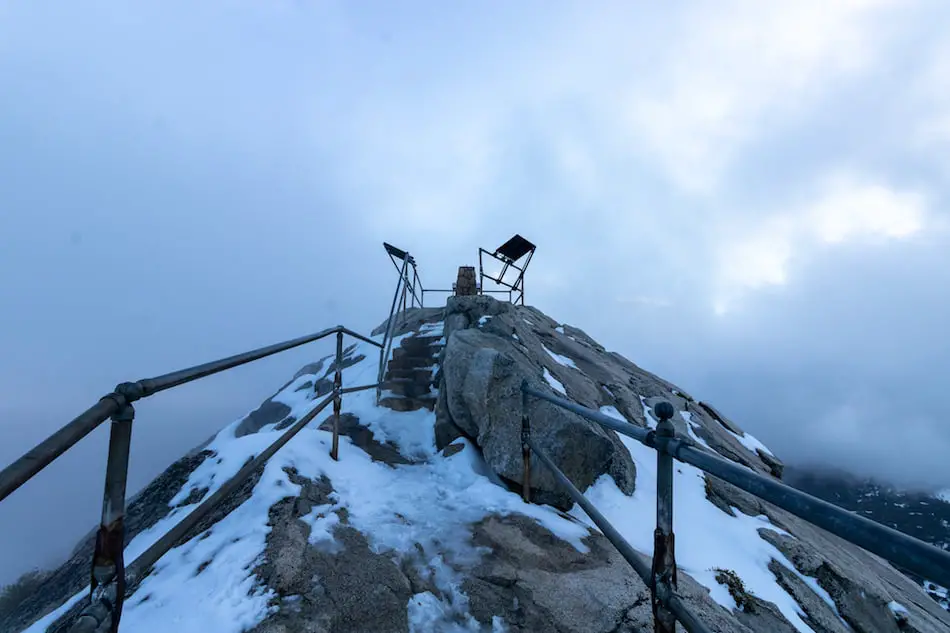
**Mounting swings or hammocks on the iron frame at the peak has been prohibited by the Forest Service**

Mount Lowe is, in my opinion, one of the best hikes in the Pasadena and all of LA county. To see the complete list of best hikes which include ruins, peaks, and amazing waterfalls, click the links below:

Best Hikes In Los Angeles

Best Hikes In Pasadena

Map of Mount Lowe Trail

powered by Advanced iFrame

Mt Lowe Peak Elevation Profile

Download Printable PDF Map

Where is the Trail to Mount Lowe?

You might come to find that there’s more than one way to reach this destination. Hiking to Mount Lowe via the Sam Merrill Trail can be quite intimidating if you’re not ready to trudge over 6.5 miles under the hot California sun. 

Luckily, there’s a shorter way to get to the peak, making it bearable during the summer months.

The Mt Lowe Trail via Eaton Saddle is perfect for novices and old-time trekkers alike.


Directions & Parking

Directions to Eaton Saddle Trailhead: Eaton Saddle Trailhead, Mount Wilson Red Box Road, Mt Lowe Rd, Altadena, CA 91001

There are two parking lots here. Be aware that this is the parking lot to other popular trails close by, so parking is limited.

The Hike to Mount Lowe Peak

Begin the adventure by walking down Mt Lowe Fire Road.

There used to be an amphitheater you could spot from this road, but it burned down years ago.

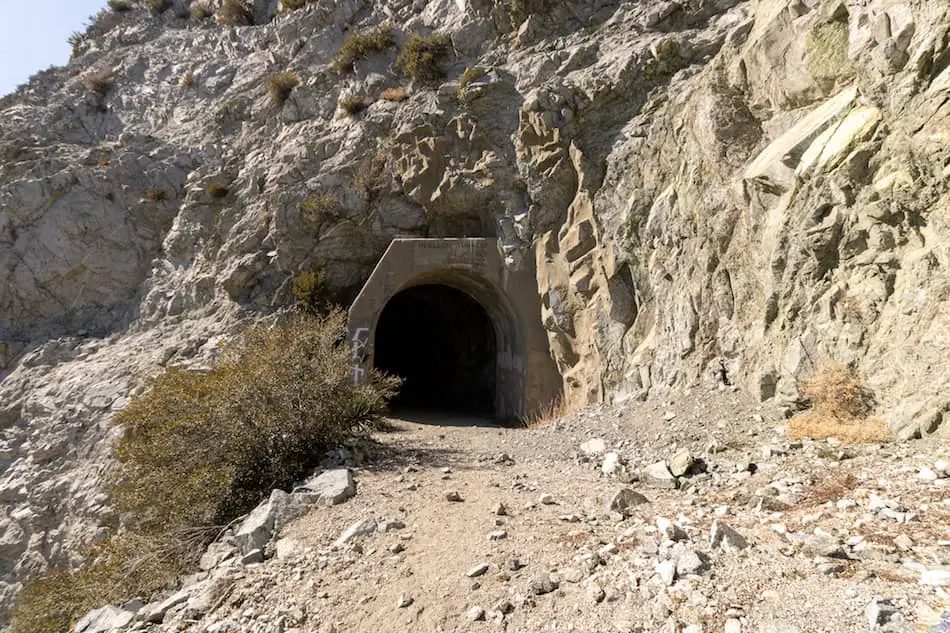
Mueller Tunnel

Further up, I was greeted by the Mueller Tunnel. It was built back in 1942 and goes about 100 yards in.

This tunnel served as a gateway to the summit but is now closed to all vehicles.

It collapsed back in 2007 but was nicely repaired.

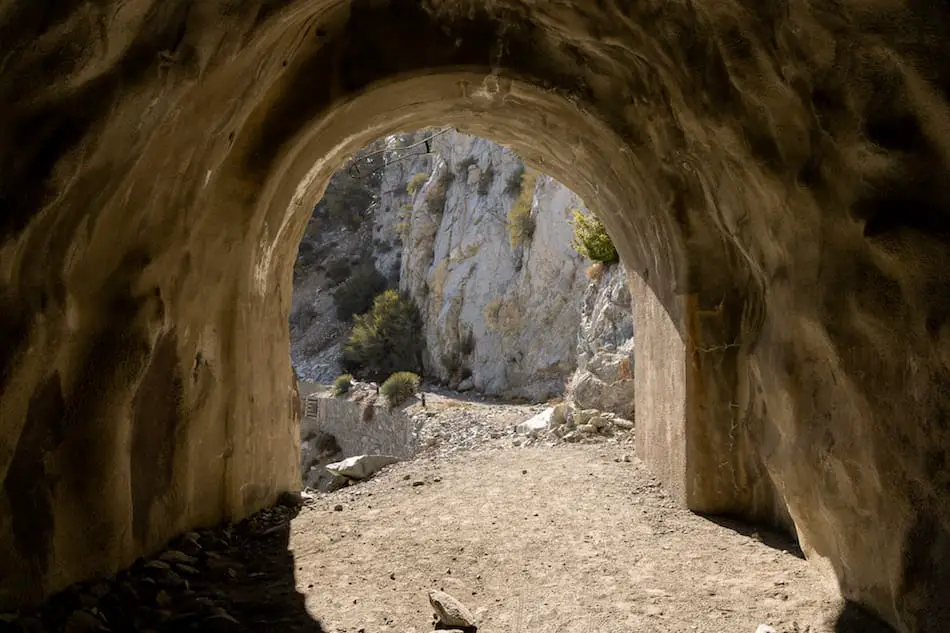
The tunnel is exciting and nice to walk through, especially since there’s hardly any graffiti.

The light illuminates the inside of the tunnel beautifully, revealing the textured walls.


Heading Up to The Peak

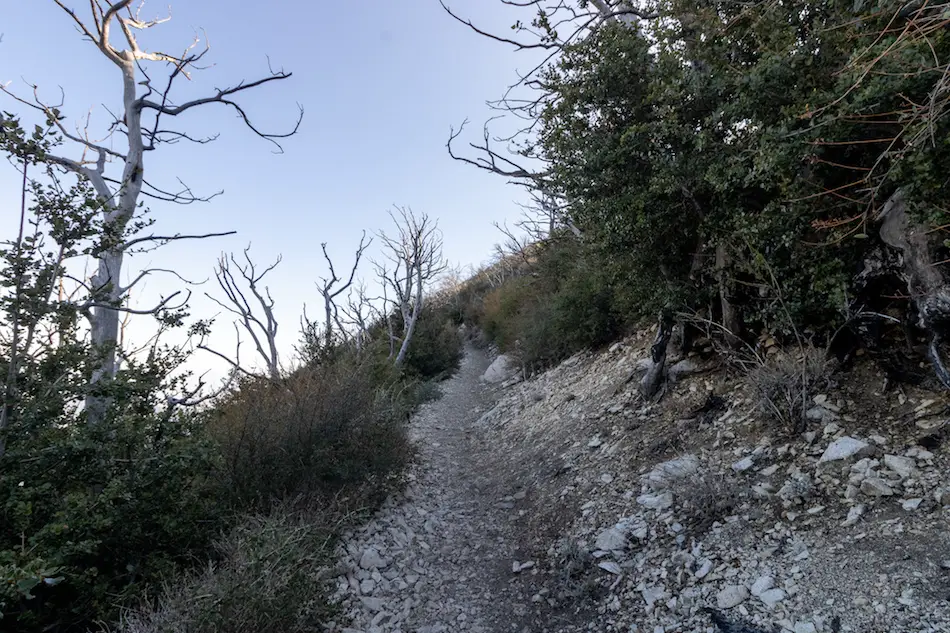
Passing the tunnel, I continued uphill on the rocky and rugged path on the Mount Lowe Summit Trail.

There are tons of rocks and boulders of different sizes. Be aware that rock slides do happen here, but it’s mostly safe.

I finally reached a junction with three different paths called Markham Saddle. To get to the peak, I took the left path with the rocky steps. It’s a bit of a steep incline all the way up, but not too bad.

I could see the easier, yet long Mt Lowe Railway below. This route passes close to Inspiration Point.

The road to the peak was super interesting and full of character.

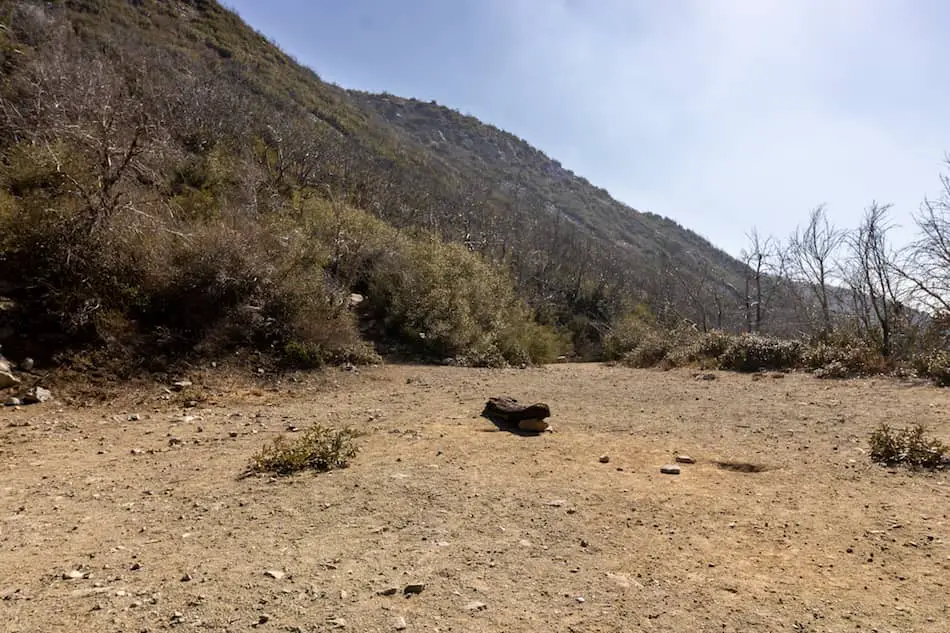
The leafless trees are remnants of the fire that took place back in 2009. 

The trees looked a bit eerie and gave off an uncanny feeling, which I thought was an interesting perspective on this otherwise beautiful trail. 

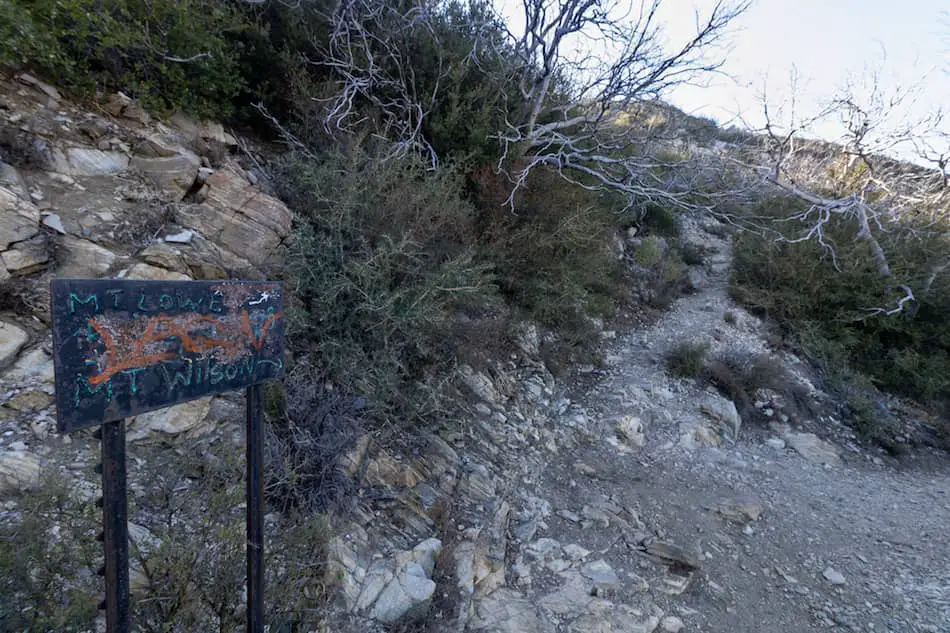
Reaching another junction, I followed what the sign said and made a hasty right up the steeper track. 

Along the way, I spotted the last bits of snow. There’s no doubt I’ll be back next winter to experience this trail differently.

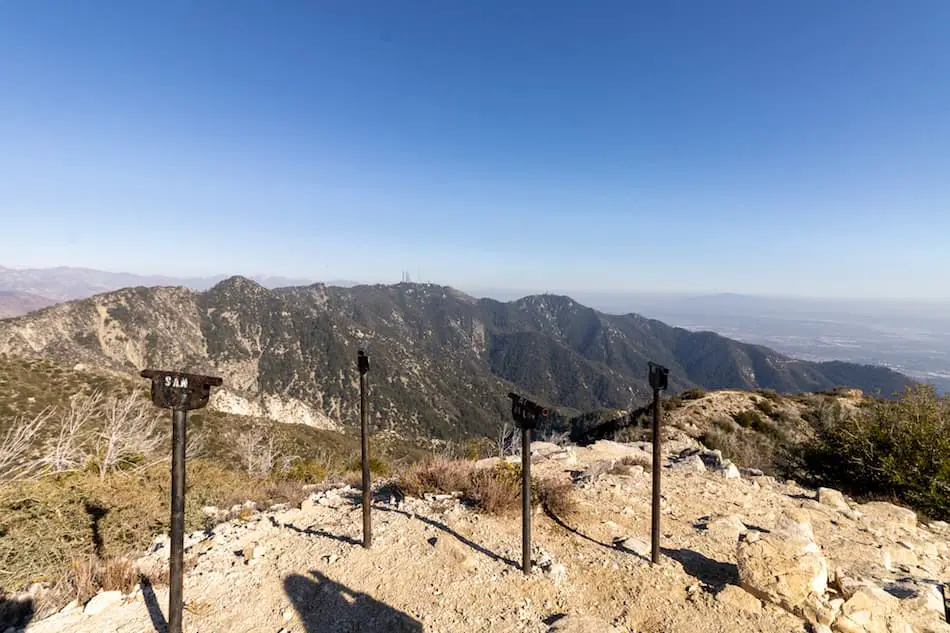
Not long after, I had made it to Mount Lowe Peak! From Mt Baldy to the Santa Monica Mountains, you get to see it all.

There are viewing tubes here, from the 1800s, that let you peek through to the famous Mt Baldy and Mt Wilson. 

It was a bit foggy this day. But, it honestly made the view look a lot more whimsical, especially at sunset with the vibrant orange and blue sky.

Here’s a side profile of the frame and viewing tubes in the background.

Want to explore more historic sites near Pasadena? Check out the Dawn Mine, an abandoned gold mine which can be reached via a 6 mile hike.

After admiring the beautiful view, it was time to make my way back before the sun completely set. 

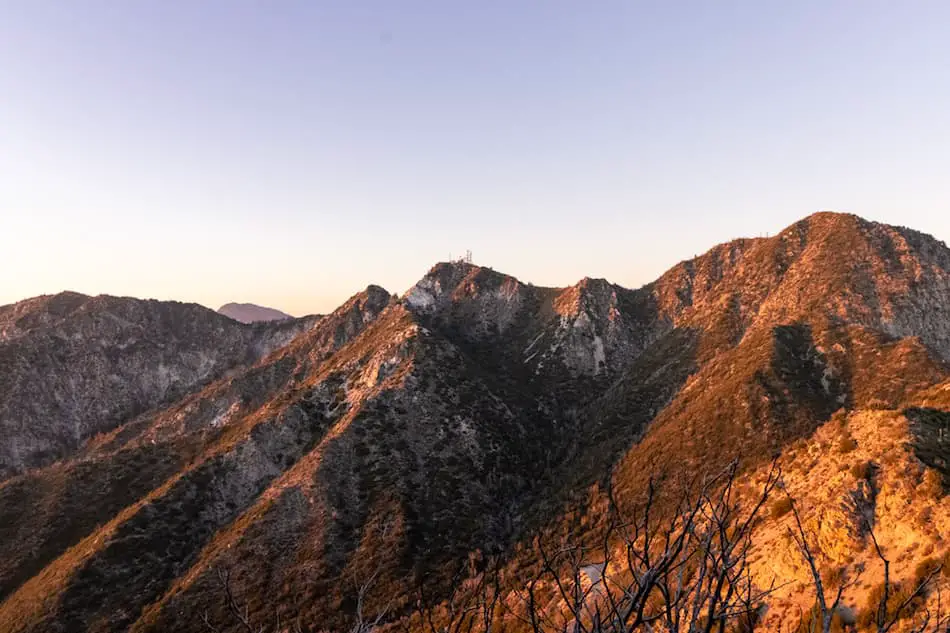
There was a warm, orange glow that hugged Mt Disappointment and San Gabriel Peak. Another fascinating view. 

I highly recommend this hike in the spring, fall, and winter months when the conditions are right. 

I hope you’ll enjoy it as much as I did!

History of Mount Lowe Railway

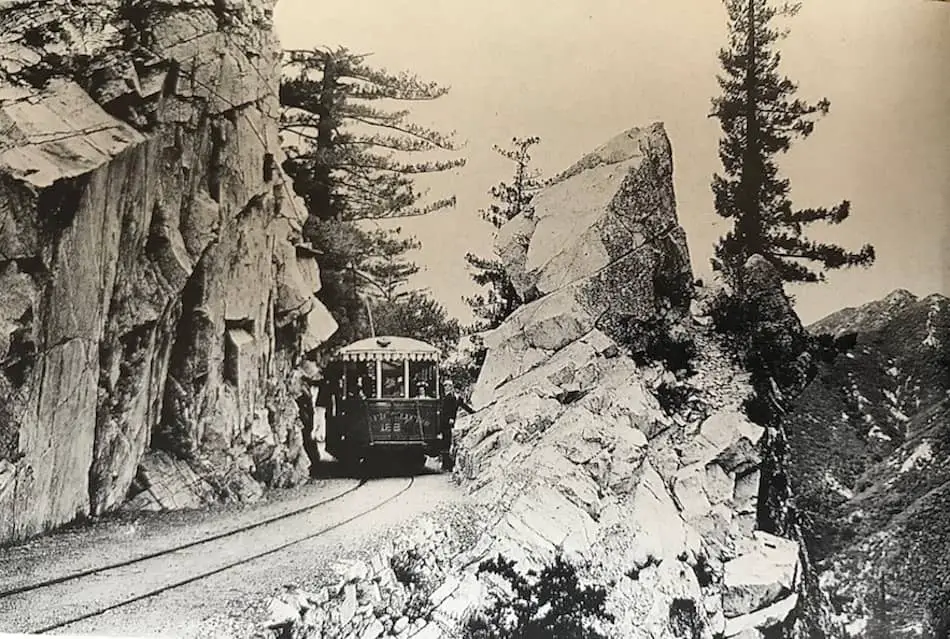
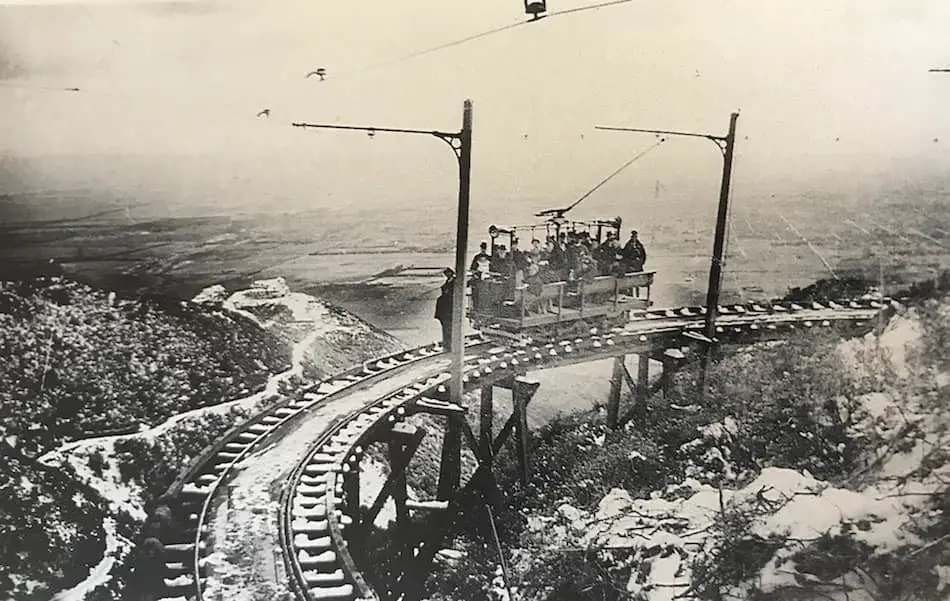
A very bright and motivated professor by the name of Thaddeus S.C. Lowe fell in love with the panoramic views of Mount Wilson on a horseback trip to the summit back in 1891. 

He had dreams of building a railway in the San Gabriel Mountains, but this trip launched it into action. Plans of building the railway from Eaton Canyon to Mt Wilson didn’t fall through, so he ended up building it from Rubio Canyon to Eaton Saddle. 

In 1893, Mt Lowe Railway was completed and was the first-ever electric-powered railway in the mountains. It was a total success and became a tourist attraction. This “eighth wonder of the world” would carry 3.1 million visitors up until the year 1936. 

This 5.8-mile long “Railway to the Clouds” took millions of visitors through various attractions, such as hotels, a zoo, and an observatory. It was the perfect escape from the hustle and bustle of the fast-growing society. 

Unfortunately, natural disasters and insufficient funds led to the closure of Mount Lowe Railway. What was once considered the Disneyland of its day, later became forgotten memories.

Restaurant Spotlight

Mt Lowe Brewing Co.

In 2016, Arcadia’s first microbrewery was opened. The owners were inspired by the local history, which led to them naming the brewery after Mt Lowe Railway. 

The rustic and outdoorsy vibes of this place feel so connected to the outdoors and past life. The names of the 40 different beers help keep the rich history alive.

There’s one beer called the Inspiration Porter along with many other historic names of the great Mt Lowe. 

Plus, there’s a variety of food trucks that stop by and pair well with the beer!

Lewis Falls In Azusa Canyon & 2nd Bonus Falls

Lewis Falls In Azusa Canyon & 2nd Bonus Falls

  • Total Miles: 0.73
  • Time: 35 min
  • Difficulty: Moderate
  • Best Season: Spring – Fall
  • Elevation Gain: 328 ft
  • Max Elevation: 4197 ft
  • Type of Trail: Out & Back
  • Parking Lot: Fits ≈ 5 cars
  • Dogs: Allowed On A Leash
  • Restrooms: Not Available
  • Trail Popularity: High
  • Pics Taken On: June 28, 2022

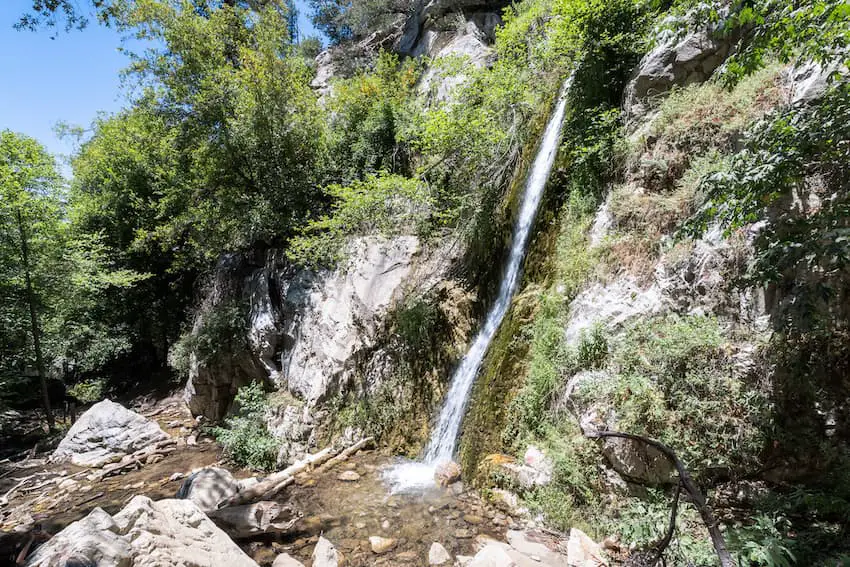
Looking for a waterfall that flows virtually all year long? Checkout Lewis Falls!

The shaded hike is a total 0.73 miles located in the North Fork of the San Gabriel River. The scenic trail follows Soldier Creek for the entirety of the hike and requires 3-4 creek crossings. It’s a moderately difficult trail, as the last section requires some boulder scrambling before coming to an end at the 3 tiered cascade. Dogs are allowed, but must be on a leash.

Lewis Falls is one of the nicest hikes in LA and SoCal, but if you’d like to explore enormous waterfalls, nazi ruins, abandoned zoos, and more, click the links below:

Best Hikes In Los Angeles

Best Hikes In Southern California

Lewis Falls Trail Map

powered by Advanced iFrame

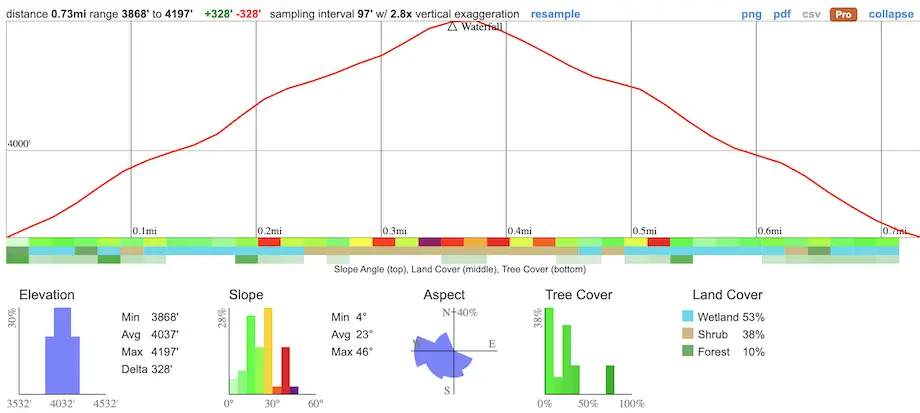
Lewis Falls Elevation Profile

Download Printable PDF Map

Directions & Parking

Click the following link State Rte 39, Azusa, CA 91702 to be redirected to Google Maps. 

Helpful Links

Weather Forecast

SoCal Adventure Pass (required to park in SoCal mountains)

Lewis Falls Trail

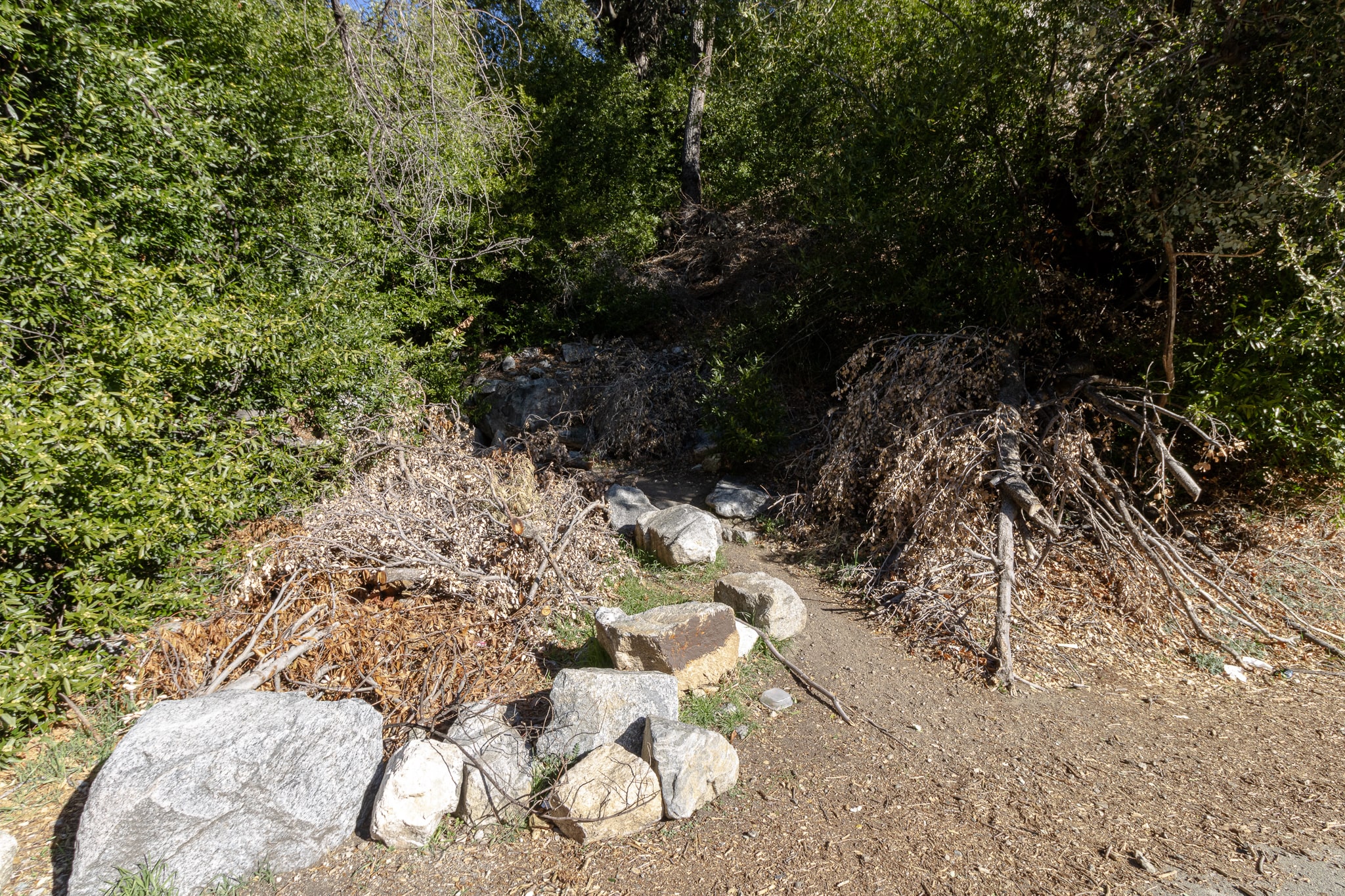
There is no sign at the trailhead, but luckily, there’s only one trail leading into the canyon, and it’s very easy to spot.

lewis falls trailhead

Although the Curve Fire of Sept 1, 2002 burned 20,857 acres, a few cabins still managed to escape intact, some of which are ruins from the Falling Springs Resort, but more on that in the history section.

cabin at lewis falls

The shaded trail makes it seem like you’ve completely detached yourself from the city. A feeling many of us welcome when we’re in the outdoors. 

lewis falls trail

Ruins from stone cabins lay scattered throughout the area as well as the destruction from a more recent storm.

Huge fallen down trees have become obstacles for the adventurous hiker.

ruins at lewis falls

fallen tree at lewis falls trail

Bridge & Bonus Falls on Lewis Falls Trail

As soon as the trail crosses the creek for the first time, look to your left to spot a wooden bridge.

If you have good balance and don’t mind a quick off-trail excursion, head over to the bridge to find yourself standing at the top of a roughly 20 ft waterfall. Just keep an eye out for poison oak.

(If you need help with regular creek crossings, I highly suggest trekking poles. I use TrailBuddy Trekking Poles, and they’ve yet to let me down).

bridge at lewis falls hike

Getting to the bottom of the falls is a bit challenging, but I have to admit, I like a challenge.

azusa waterfall

Once you’re done, head back on the trail towards Lewis Falls. From this point forward, the trail is absolutely stunning. 

The tributary, which is dense with deep red cedar trees standing as tall as 100ft, huge ivy-covered boulders, and the sound of little waterfalls flowing down Soldier Creek, is a picture perfect paradise for the outdoor enthusiast. 

small waterfalls at lewis falls

Here’s a closeup shot of the 3-4 waterfall.

soldier creek waterfall

The last section of the trail consists of some boulder scrambling and climbing, but nothing too crazy. As long as you’re relatively fit, it should be a piece of cake.

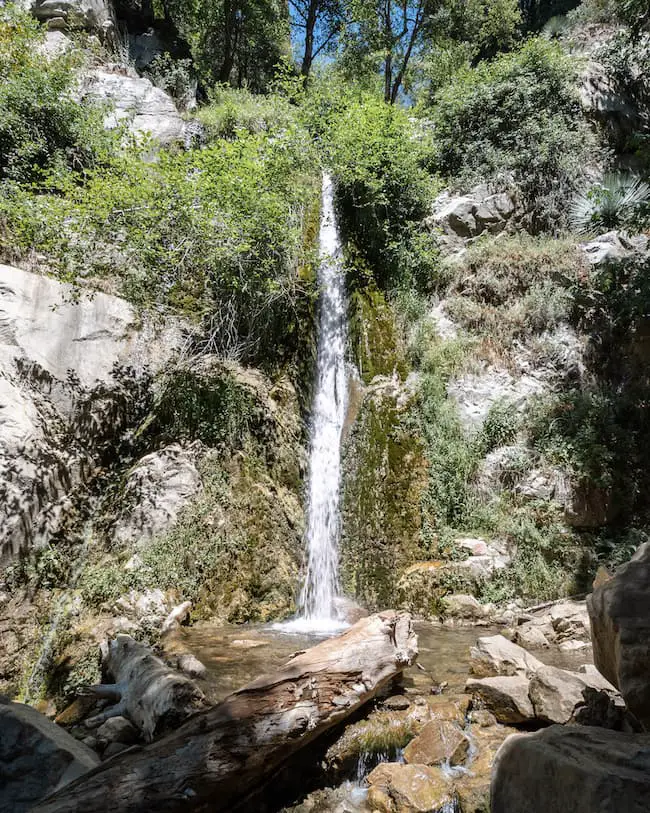
Then, all of a sudden, the canyon opens up and you can hear the sound of the roaring waterfall as the stream plunges 50 feet onto the canyon floor.

lewis falls

Since this trail is very short, I highly recommend combining it with Eaton Canyon Falls, a 40 ft waterfall in Pasadena, and also the most popular falls in the San Gabriels.

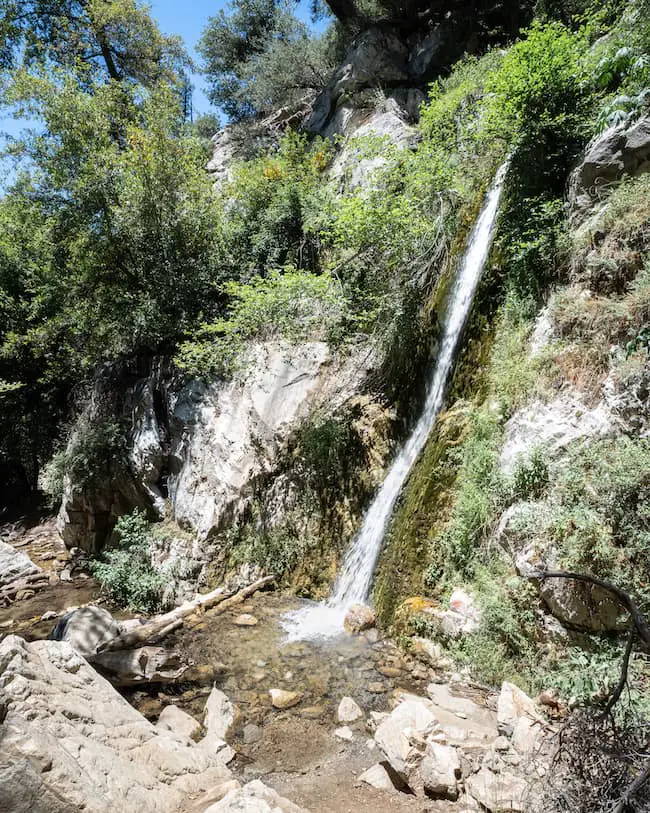
There it is, 50-foot Lewis Falls!

Lewis Falls

I always wondered why Lewis Falls measured only 50ft, until I flew the drone and realized there’s two smaller tiers which can’t be seen from the canyon floor.

lewis falls top tiers

Want to explore more amazing nearby waterfalls? Check out the post down below:

Best Waterfalls In LA 

Lewis Falls

Lewis Falls

Want to explore the best waterfalls in Southern California? Check out the link below!

Best Waterfalls In SoCal

Lewis Falls is without a doubt the best Azusa Canyon waterfall. I recommend it for the entire family, assuming the kids are at least 5+ years.

Since the hike is only 10-15 minutes driving distance from Crystal Lake, I highly suggest stopping by and grabbing a delicious meal from the Crystal Lake Cafe to complete your adventure!

Plants Found On The Lewis Falls Trail

  • Incense Cedar
  • Poison Oak
  • White Alder
  • Fir
  • Bigleaf Maple
  • California Bay
  • Oak trees

Lewis Falls History

Not much is known about the history of Lewis Falls itself. However, as I previously mentioned, a resort by the name of Falling Springs was located just above the creek.

According to John Robinson in his amazing book, The San Gabriels 2, the resort, which opened to the public in 1931, was originally called La Cienega after the nearby spring, then Headlee’s, and finally Falling Springs.

Unfortunately, the resort has closed down. However, it’s very likely that the cabin ruins located alongside Soldier Creek were at one point used by the resort’s visitors.

Going further back in time, Coldbrook Camp was founded in 1904 by R.W. Dawson. Dawson had actually filed a claim in the area as early as the 1880’s and leased it A.A. “Doc” Beatty, but later re-took control of the management.

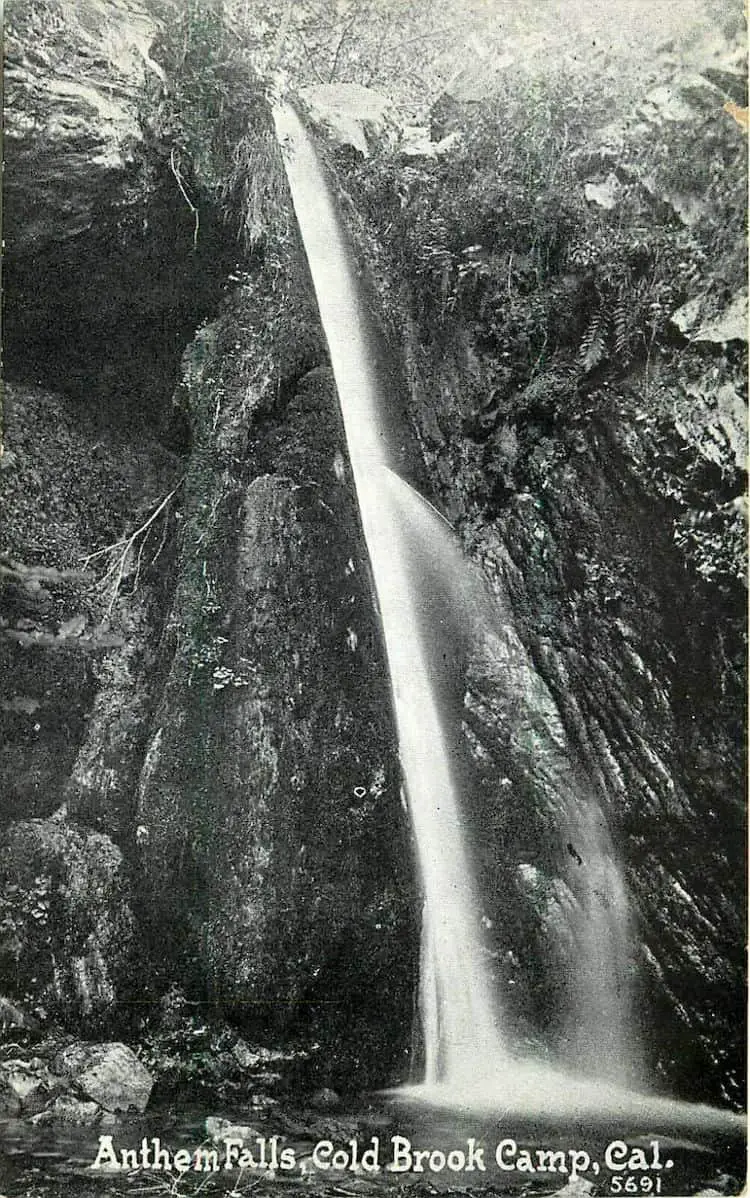
The camp/resort became a huge success, as can be noted from the myriad of vintage postcards with images of long forgotten waterfalls and the name Coldbrook Camp added at the bottom.

I purchased one of these postcards which dates back to roughly 1907-1920. Interestingly enough, the falls on the postcard looks virtually identical to Lewis Falls. However, the name reads “Anthem Falls.”

anthem falls

Since many of the people from Coldbrook Camp (located just below Lewis Falls) visited the surrounding waterfalls, it’s very possible they also visited Lewis Falls, but referred to it as Anthem Falls instead.

What do you think? Is Lewis Falls the same falls as the one depicted in the postcard? If you think you solved the mystery, feel free to send me an email at info@cahikingadventures.com

Castle Rock Trail: Fun Hike at Big Bear Lake

Castle Rock Trail: Fun Hike at Big Bear Lake

  • Total Miles: 1.44
  • Time: 1.5 Hrs
  • Difficulty: Easy – Moderate
  • Best Season: All Year
  • Elevation Gain: 567 ft
  • Max Elevation: 7401 ft
  • Type of Trail: Out & Back
  • Parking Lot: Road Turn Out Or Neighborhood
  • Dogs: Allowed On A Leash
  • Restrooms: Not Available
  • Trail Popularity: High
  • Pics Taken On: Feb 6, 2021

Castle Rock Trail in Big Bear, California is a heavily trafficked 1.44-mile roundtrip hike. The peak offers amazing views of the entire Big Bear Lake and the surrounding area. This trail is rated as a moderately difficult hike but is more than worth it. Parking is tricky, so be sure to review the parking instructions.

Check out the Best Big Bear Hikes to make the most out of your visit! You can easily combine Castle Rock Trail with a second nearby hike.

Castle Rock Trail Map

powered by Advanced iFrame

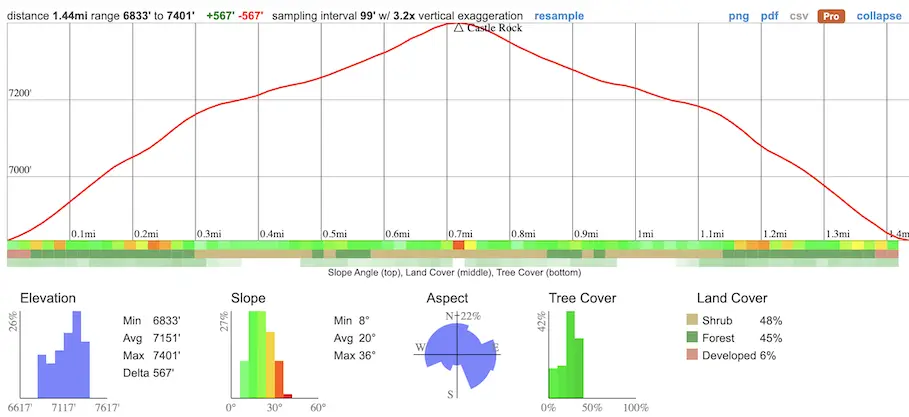
Castle Rock Elevation Profile

Download Printable PDF Map

Directions and Parking

Getting to Castle Rock Trail is very easy, but can be a total pain if you don’t plan ahead. I’m talking about bumper to bumper traffic in the winter during the holiday and snow season. 

Here are the directions to the trailhead: Castle Rock Trail 1W03, Big Bear Blvd, Big Bear Lake, CA 92315.

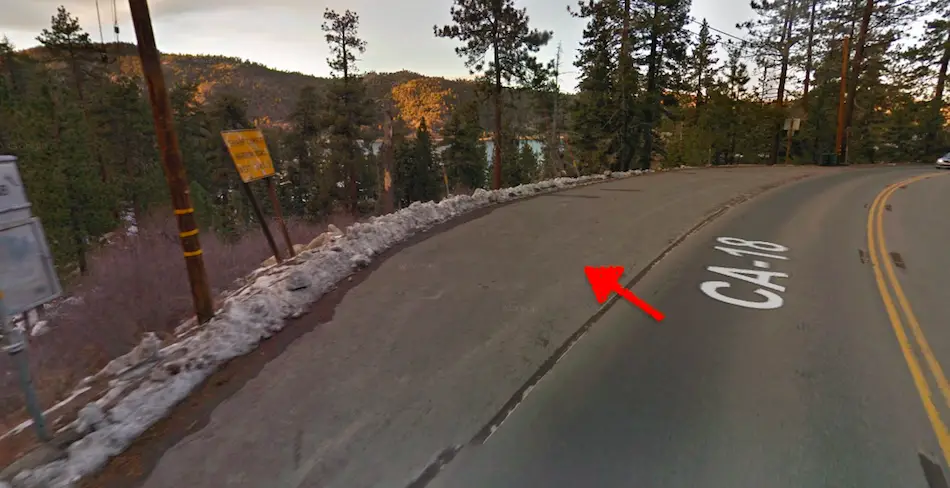
I ended up parking in a road turnout, which fits only about 5 cars and can be seen in the image below: 34.237712, -116.961391.

However, you can also park in a nearby neighborhood.

Helpful Links

Weather Forecast

SoCal Adventure Pass (required to park in SoCal mountains)

Big Bear Weather And More (My friend’s YouTube channel. He updates us on all things Big Bear within a few hours of the event, including weather changes).

The Hike To Castle Rock

Once I parked my car, I carefully crossed the street when I saw it was safe. 

You’ll want to be super careful when getting to the trailhead since it begins on a sharp turn on the street. The fast moving cars might not be able to see you, so be aware of that.

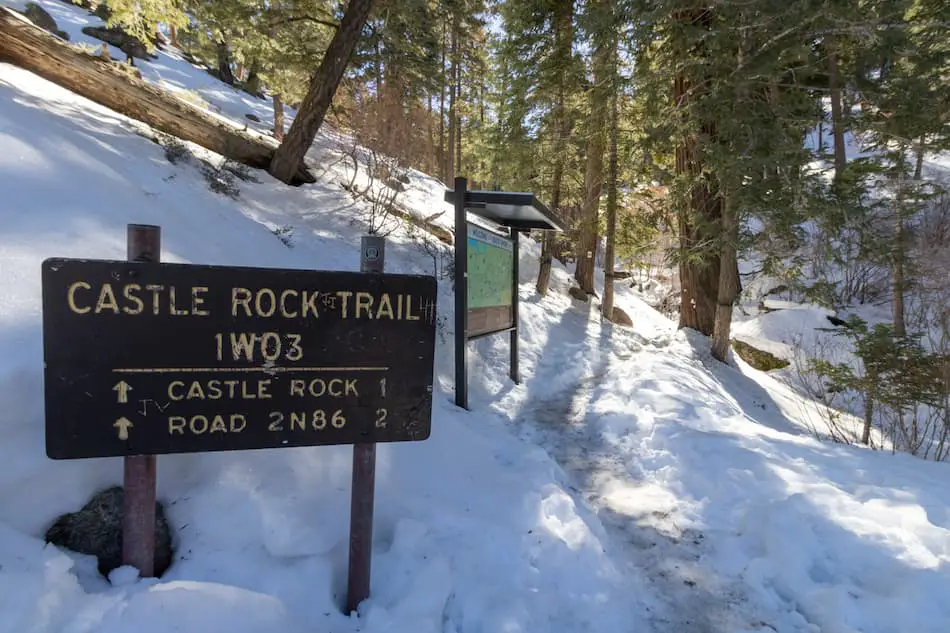
Here’s where the trailhead begins. I was in awe at the beauty of the sunlight shining through the trees and the snow glowing bright white. I know I was going to love this snowy, winter hike!

There’s a map that shows you an overview of the hike and area, in case you want to take a look.

Up ahead, I came across this bench that overlooks the snow and pine trees.

The sight is fantastic and you can probably take some cool pictures of yourself sitting on the bench, overlooking the views.

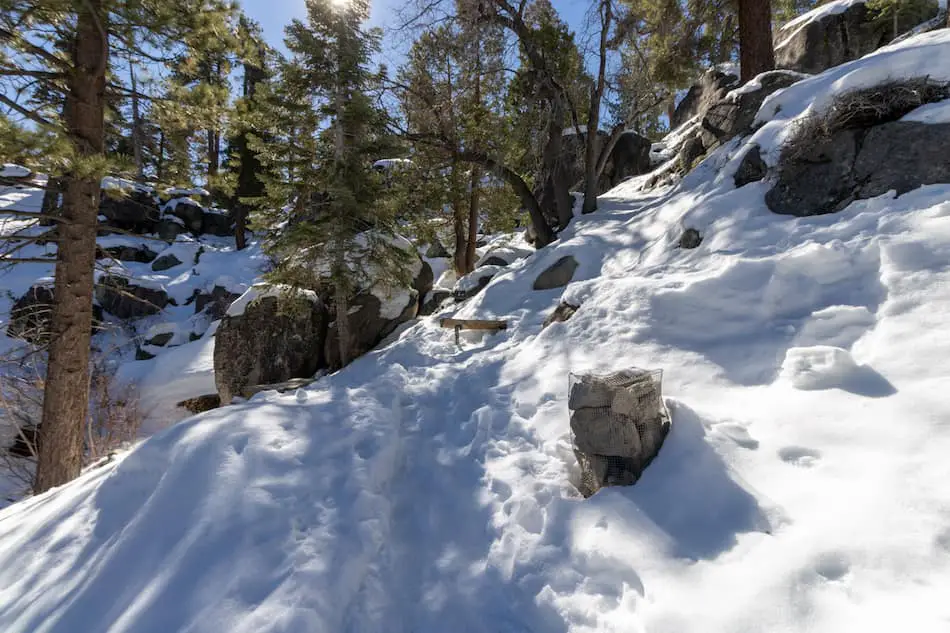
A little past the bench, there’s some steps that are pretty icy. This is probably the trickiest part of the hike. Luckily, I had my trusty trekking poles and grippy snow boots to help me out.

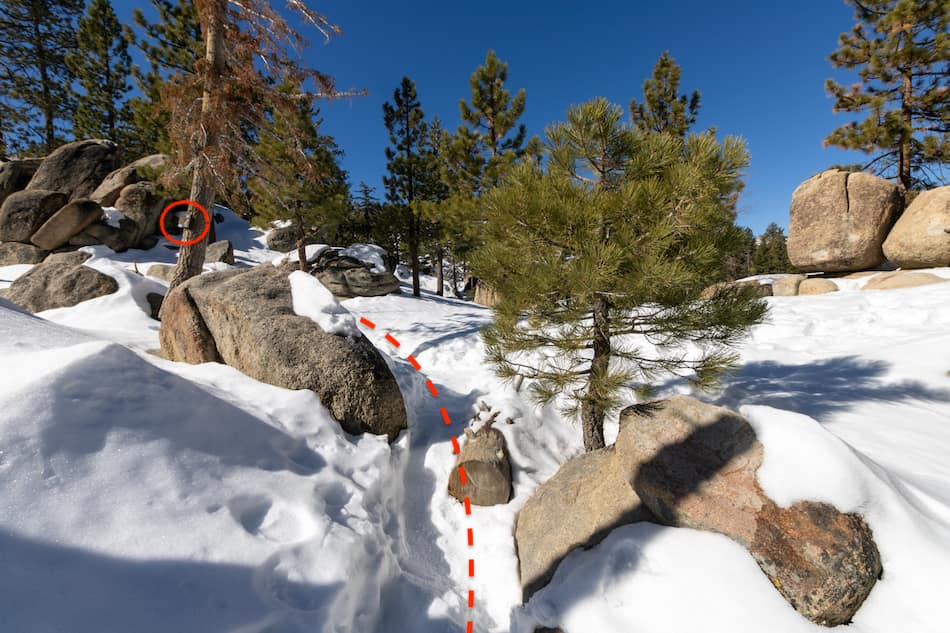
Further up, you’ll need to keep a lookout for this sign on the tree. Honestly, I was about to miss this because it camoflauged so well with the bark.

From there, I made a left and continued on.

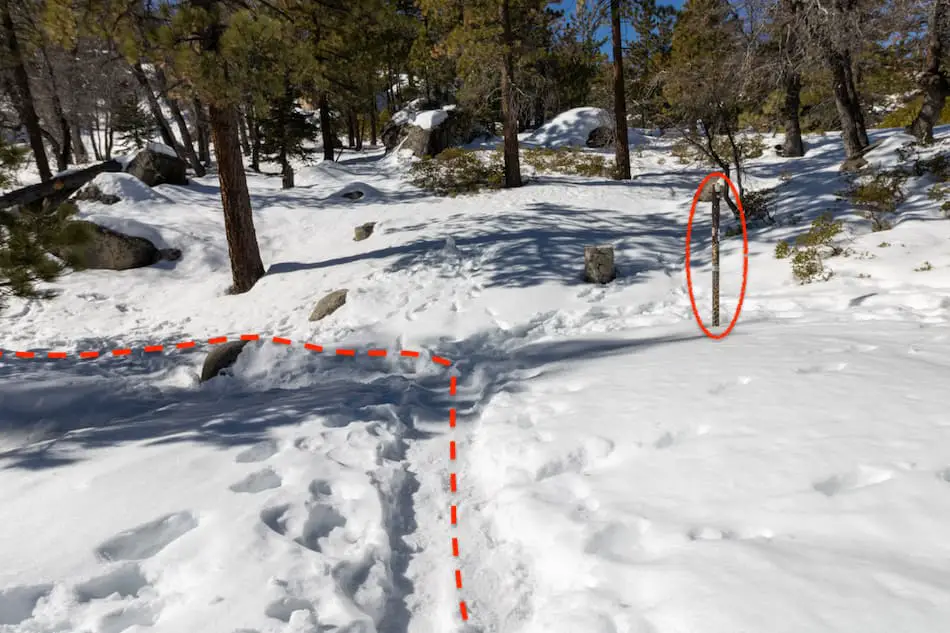
I kept walking and spotted this rusty pole. This is another signal to make a left.

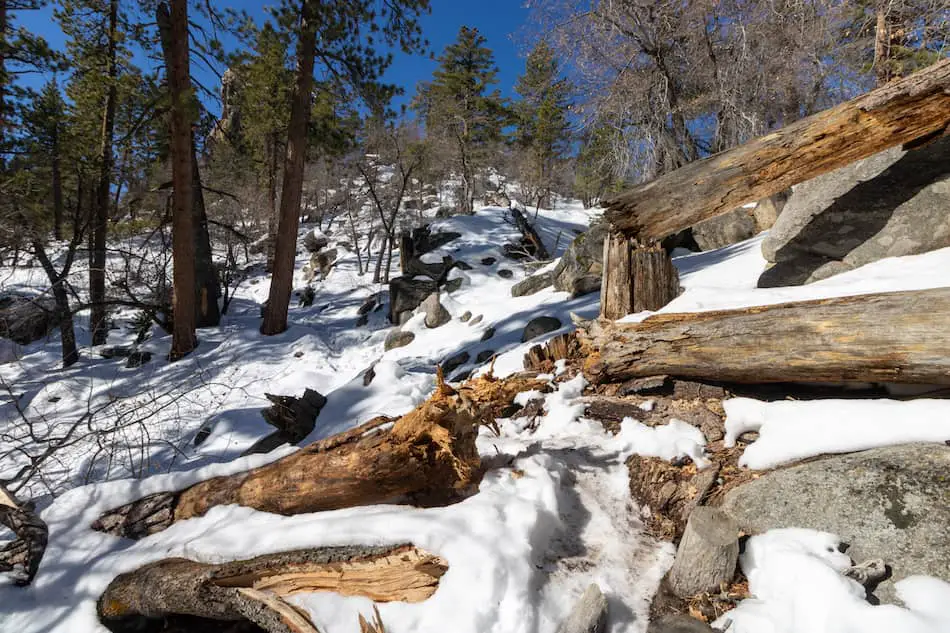
I saw these fallen trees and logs on the ground and walked over them. You can try walking around it if possible, but I ended up crossing through to make it more adventurous.

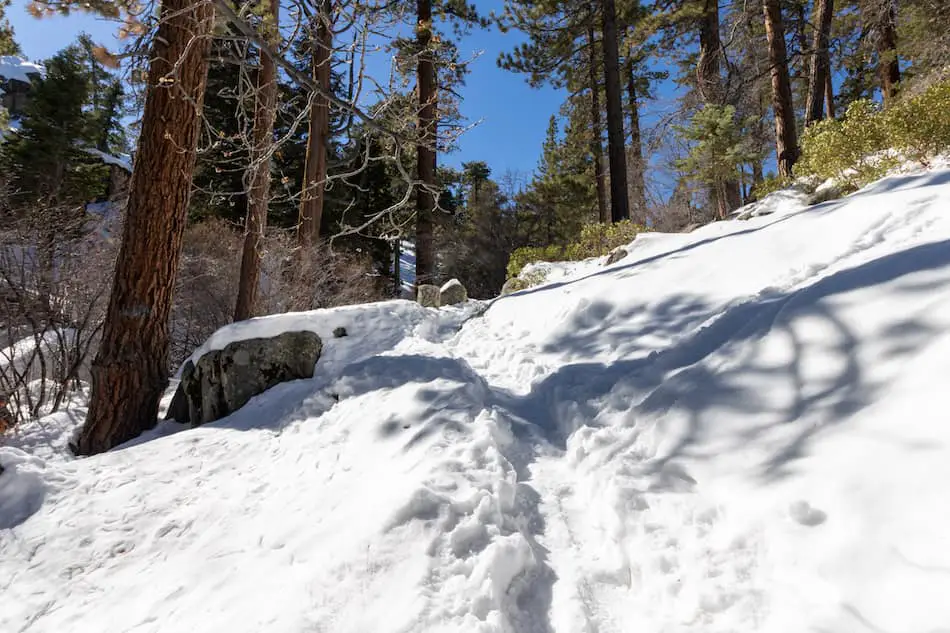
Another snapshot of the powdery snow and tall pine trees. 

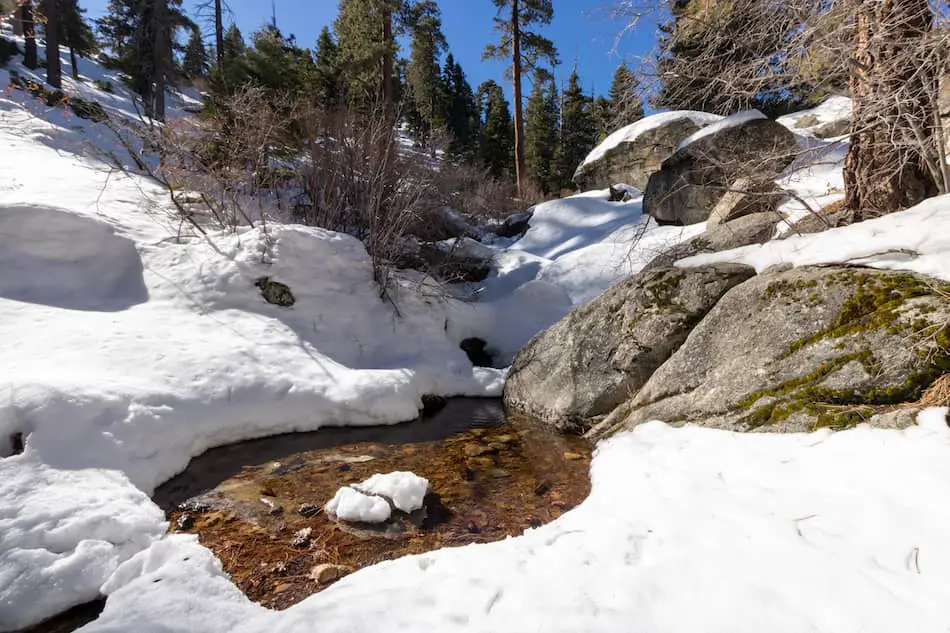
This next part wasn’t on the trail itself, but I ventured off for a bit when I heard trickles of water flowing from somewhere. 

I was pleasantly surprised by this small pool of water. It looked beautiful with the sunlight glistening through the clear water. A closer look and you can see the leaves in this small pool.

Another picture-worthy spot and I wasn’t even at the peak yet!

Once back on the trail, I saw this sign posted on the tree as I got closer to the destination.

A confirmation that I was almost to the peak!

I could see Castle Rock Peak from here. This was one of my favorite views of this hike. It looks so very high up in person.

The trees and snow add to the awesomeness.

I highly suggest combining this trail with the Woodland Interpretive Trail, an easy 1.52-mile loop. A PDF guide detailing the trail’s plants and animal habitats can be downloaded in the full post.

As I got closer, I decided to follow the trail that looped around towards the front of the peak. 

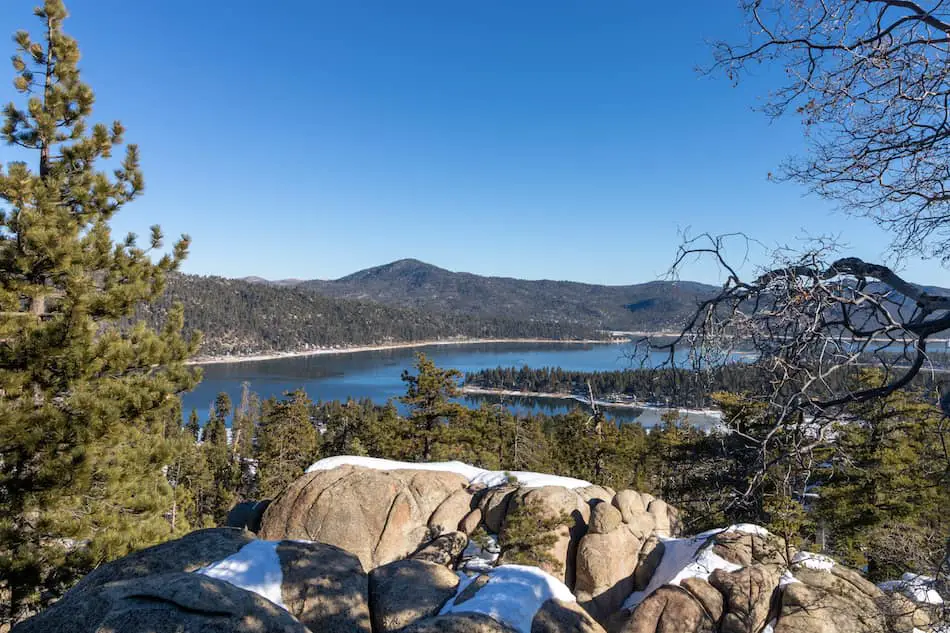
Finally, I made it to the peak! Take a look at this amazing view.

Looking for a more challenging Big Bear hike? Check out Cougar Crest Trail, a 5.43-mile hike that boasts amazing views of Big Bear Lake, the mountain resorts, and San Gorgonio, the largest peak in SoCal.

Cougar Crest Trail

At over 600 feet elevation, you can see the entire Big Bear Lake area from the top of the peak. These are just incredible views that you won’t get anywhere else.

I highly enjoyed Castle Rock Peak Trail and feel it’s well worth doing after a few days of snowfall or any time of the year. 

FAQs

Can You Climb To The Top Of Castle Rock?

Yes, it is possible to climb to the top of Castle Rock.

How Long Is Castle Rock Trail?

Assuming you head back after reaching Castle Rock, the trail totals at 1.44 miles.

Where Can I Park For Castle Rock Trail?

Parking is available in the nearby turnouts and neighborhood.

Is Castle Rock Trail Difficult To Hike?

Castle Rock is rated as easy to moderate difficulty. Although the hike is relatively short, it gets a little steep for one section. Lastly, the trail can be literally impossible to hike without snowshoes after heavy snowfall, and parts of the trail get very icy for a few days after it snows.

Hiking Heart Rock Waterfall In The Snow: A Crestline Gem

Hiking Heart Rock Waterfall In The Snow: A Crestline Gem

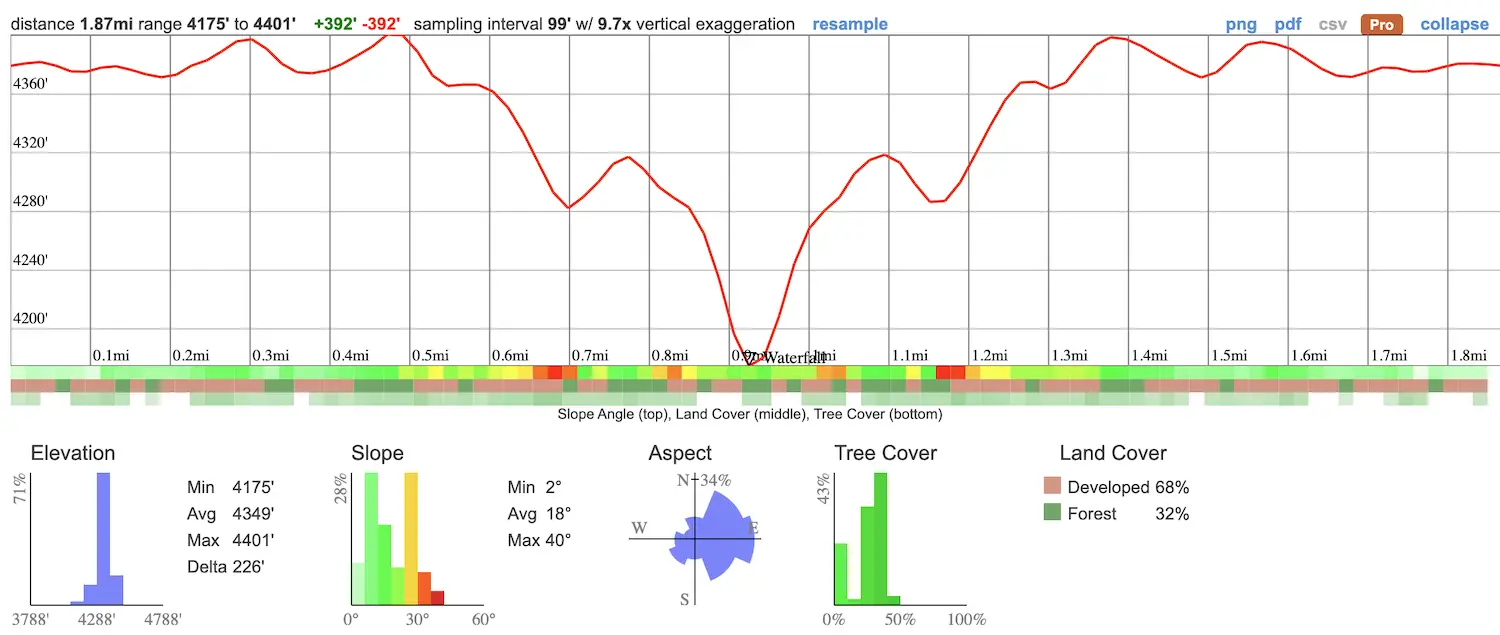
  • Total Miles: 1.87 (From Hwy 138)
  • Time: 45 min
  • Difficulty: Easy
  • Best Season: Spring
  • Elevation Gain: 392 Ft
  • Max Elevation: 4175 Ft
  • Type of Trail: Out & Back
  • Parking Lot: Fits ≈ 15 cars
  • Dogs: Allowed On A Leash
  • Restrooms: Not Available
  • Trail Popularity: High

A few years ago, I ventured deep into the San Bernardino Mts to a sleepy town called Crestline where my friend Kenny lives. It was the middle of winter, and Kenny had invited us to his beautiful cabin perched high on the mountainside. The day’s goal was to locate the legendary Heart Rock Waterfall in Seely Creek.

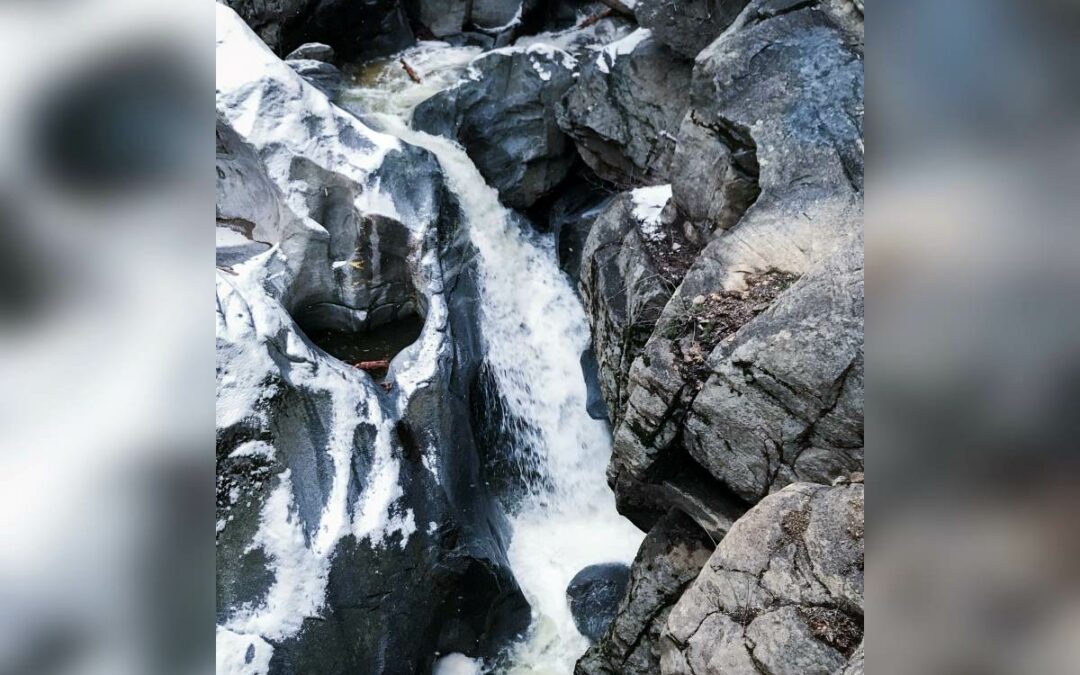
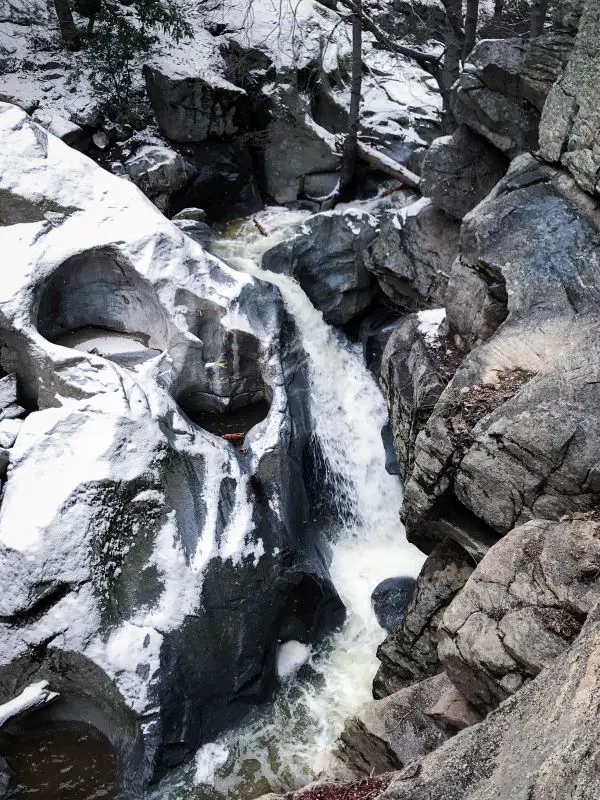
The hike to Heart Rock Waterfall consists of a 1.87-mile roundtrip trail and features a naturally occurring heart-shaped hole next to the top of a 25-foot cascade. The easy and shaded trail weaves its way through a dense sea of pine trees from beginning to end while running parallel to the creek before ending at the falls. Getting to the base of the waterfall requires a bit of boulder scrambling, which most hikers should be able to do without much difficulty.

I enjoyed this hike so much that I added it to the list of best SoCal hikes. The list includes abandoned ruins, 500 ft waterfalls, and slot canyons. Check it out by clicking the link below. You won’t regret it.

Top SoCal Hikes

Heart Rock Trail Map

powered by Advanced iFrame

Heart Rock Trail Elevation Profile

Download Printable PDF Map

Directions & Parking

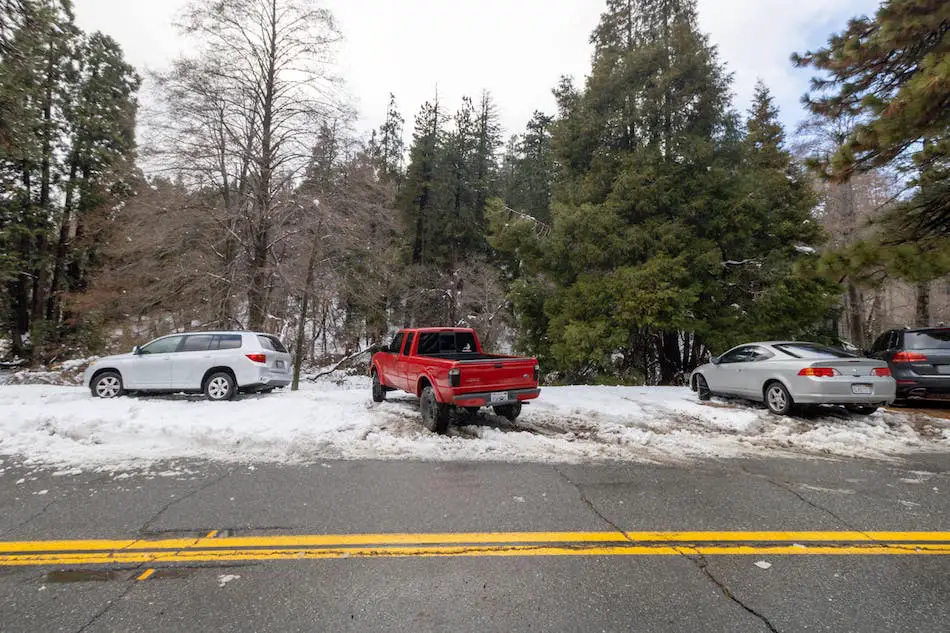
With only one exception, the gate to access the trailhead has been closed during all my visits. However, you can park off of Hwy 138, in a turnout shown in the image below, and begin the hike via the paved road. 

Helpful Links

Weather Forecast

SoCal Adventure Pass (required to park in SoCal mountains)

Visit Crestline Website

Hiking Heart Rock Waterfall 

We met at Kenny’s cabin before driving to the hike together. From his wooden balcony, I could see the town and lake blanketed with a fresh layer of soft pow. Add to that the conifer forest and oak woodland setting, and I felt like I had been transported to a town in the Northwestern United States, but I digress.

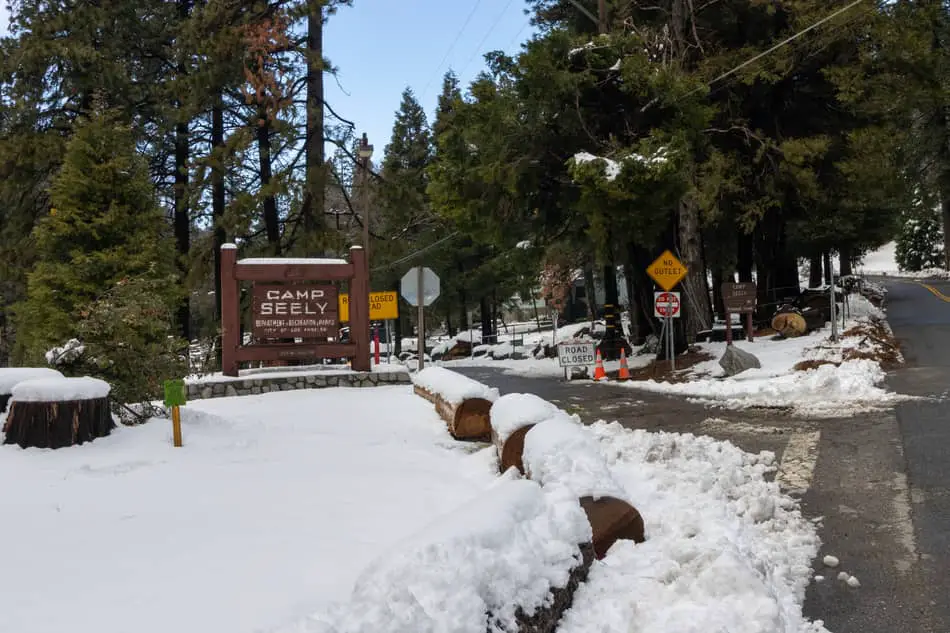
Once at the trailhead, I started the hike by locating the large sign with the words “Camp Seely and proceeded to walk down the paved road shown in the image below.

The yellow sign stating the road is closed only applies to vehicles, but as I mentioned in the parking and directions section above, the road is sometimes open for the public to drive through. If such is the case, you’ll be able to park closer to the actual trailhead.

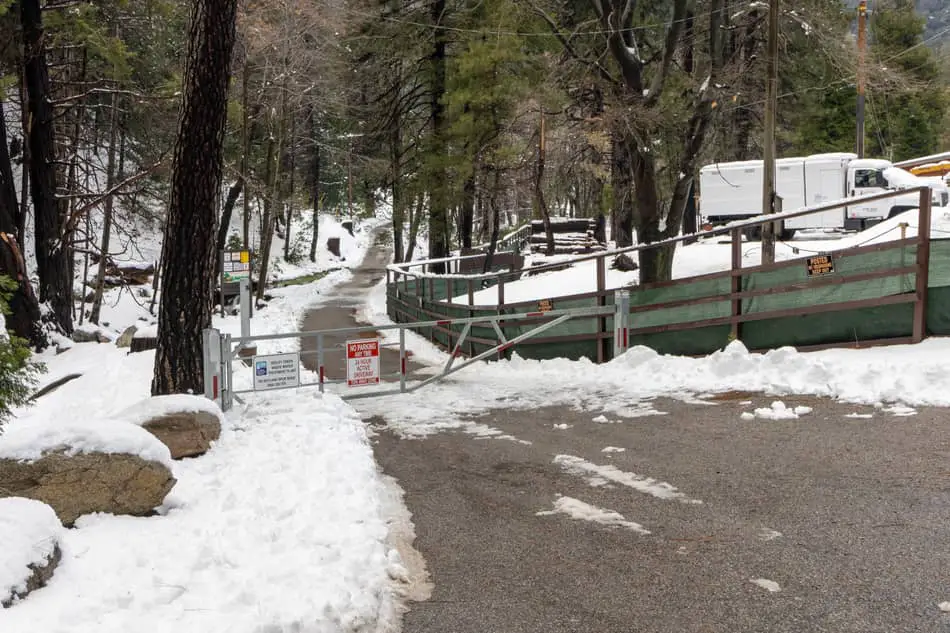
I walked past the gate and was surprised at the sight of the creek not flowing over the road. Usually, the creek has more water and would require getting my feet wet to continue hiking via the paved road. 

During the summertime, Crestline temperatures can be up to twenty degrees cooler than in the valley. Today, however, it felt a lot colder.

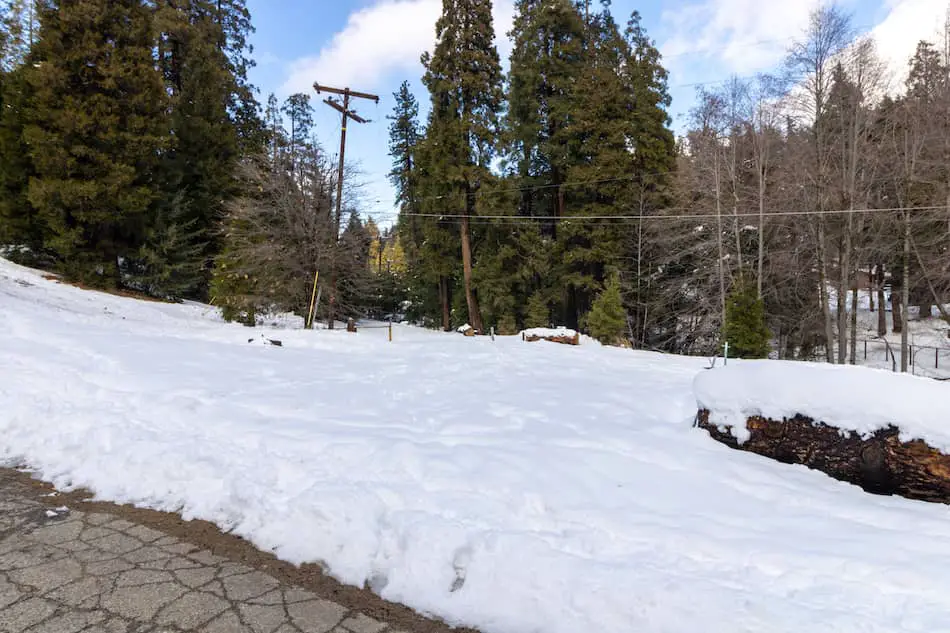
The picture below shows the parking lot that is accessible to the public when the gate is open. I had two options at this point. I could continue up the paved road or begin hiking in the snow until reaching the trailhead, which was very close.

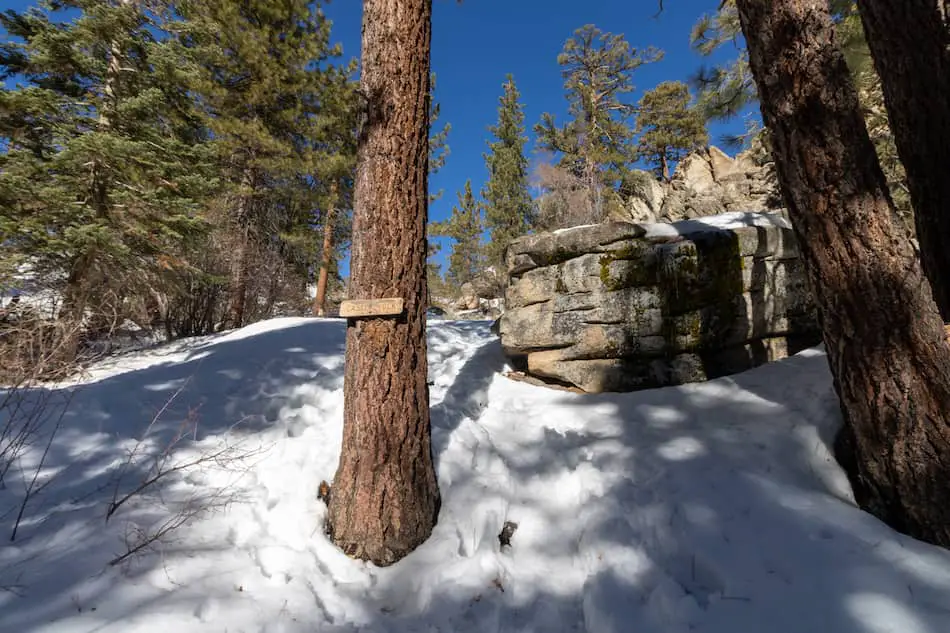
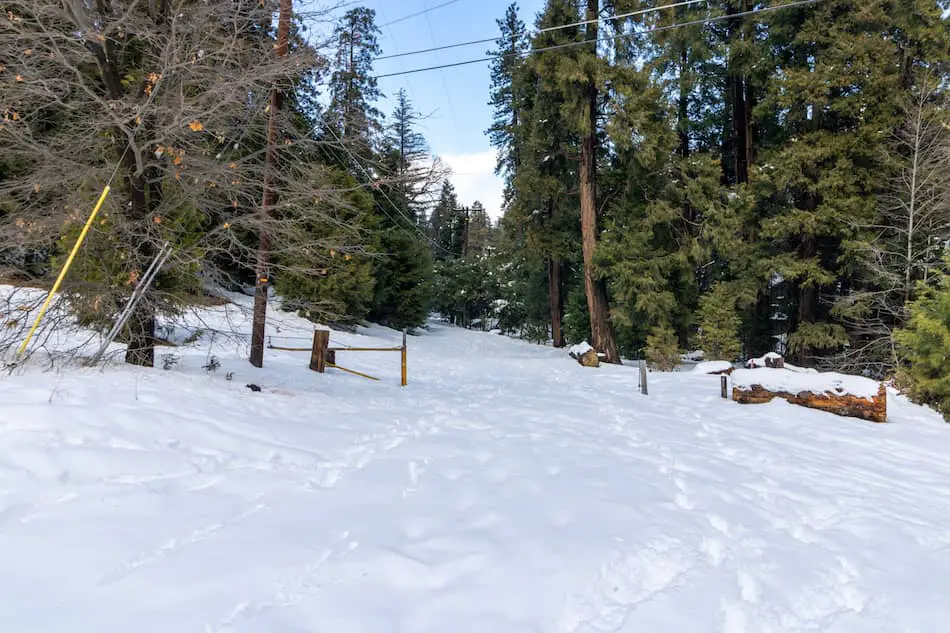
I decided to begin hiking in the snow between tall pine trees and a utility pole

Here’s a closer look. 

The snow was very soft and plush due to a recent snowstorm, making me feel like I had left California altogether. 

By the way, if you enjoy hiking to waterfalls in the snow, you’ll love San Antonio Falls in the San Gabriel Mountains, a colossal, multi-tiered, waterfall that flows year-round.

I made a slight left upon arriving at the empty swimming pool.

Shortly afterwards, I arrived at the official trailhead. Just look at how many trees there are on this hike. The locals are so lucky. 

Everything about this trail is very different from the typical drier environments.

As I made my way through the forest, I could hear the sound of running water and the leaves rustling in the soft breeze. From this point forward, the creek never left my sight, as the trail ran parallel to it until arriving at the falls.

I was completely mesmerized by the beauty of the place, which is why I ranked Heart Rock Falls as one of the thirty most popular winter SoCal hikes, a list that includes everything from easy hikes to more adventurous and difficult peaks.

The dense forest is one of the reasons why Crestline is considered a hot zone for birding in the winter and spring.


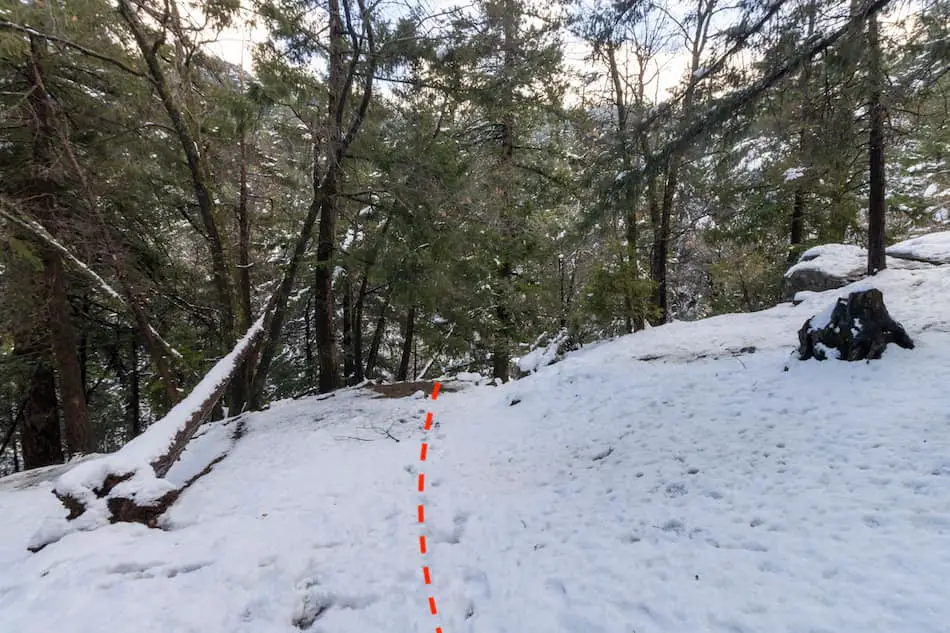
I made a right to arrive at the falls where a large fallen tree traversed the trail.

In the image below, I’m already looking to the right, which is why the log doesn’t seem to be traversing the trail.

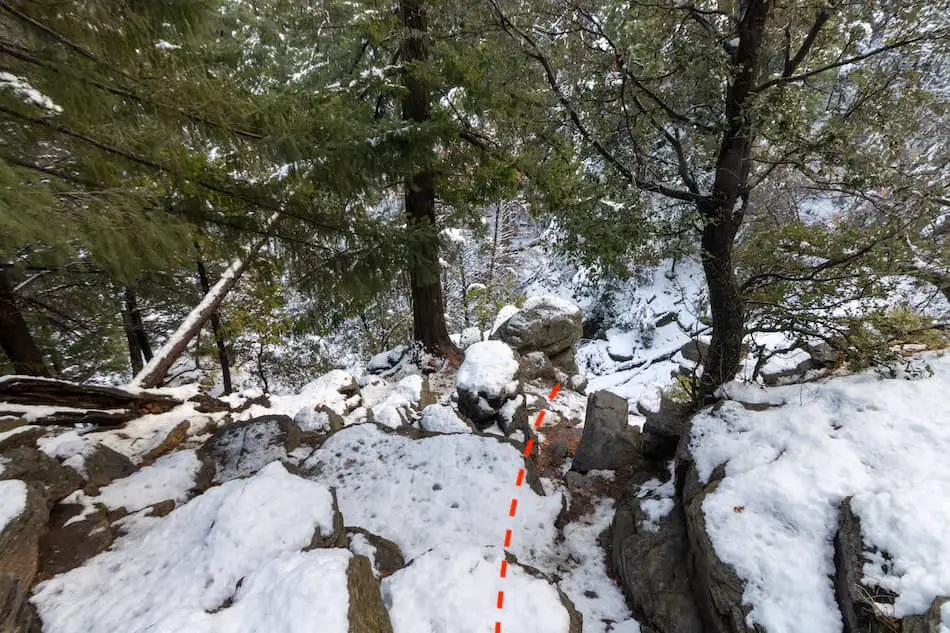
The red dotted line below shows where I descended to get a good view of the top of the falls, but had I wanted to descend down to Seely Creek, I would have made a slight left.

I stood on a boulder platform about 50 feet above the stream to get the best view of the heart. It’s a bit slippery when covered in snow. Watch your step.

How is it possible that nature carved a perfect heart-shaped rock next to a waterfall? It’s truly magnificent and amazing to look at. 

You know what’s also amazing? A waterfall with a naturally occurring rockslide, swimming hole, and crystal clear water. It’s called the Stoddard Falls hike and you can learn more by clicking the link.

Heart Rock Waterfall

To get a closer look, I boulder-scrambled my way down (about 25-30 feet) to the base of the falls. It’s not very difficult but take your time nonetheless. 

I realize 25 feet is not very impressive, but what if I told you the largest waterfall in SoCal is also located in the San Bernardino Mts, and measures a whopping 500 feet high?

If that sparked your interest, you may want to add Big Falls hike to your to-hike list, and while you’re at it, also add the 495-foot Bonita Falls in Lytle Creek’s South Fork, the 2nd largest waterfall in SoCal. You’re welcome.

When I got to the bottom, I found myself face to face with the beautiful Heart Rock Waterfall. I can now cross another adventure off my list.

Heart Rock Falls

Although Heart Rock Falls is one of the most scenic waterfalls in the San Bernardino National Mountains, it’s not even close to being the most well-known. To view the most popular waterfall in the range, plan a hike to Etiwanda Waterfall.

Seely Creek Falls

Heart Rock Trail is truly one of the most beautiful and scenic hikes in SoCal, and it’s also very beginner-friendly.

Don’t leave just yet! Did you know Crestline is also home to a lake with a water park? It’s called Lake Gregory, and it’s located just a few minutes away from Heart Rock Trail. I highly suggest you visit it, then grab something to eat from the many restaurants located across and down the street.

Recommended Gear

Unique Natural Inhabitants

  • Porcupine
  • King Snakes
  • Eagles
  • Flying Squirrels
  • Foxes
  • Great Blue Heron

Plants To Identify

  • Lupine
  • Sugar Pine Tree (their pine cones are huge, over a foot long)
  • Chickweed
  • Stinging Nettle
  • Incense Cedar

History of Camp Seeley

I thought I’d share some information on Camp Seeley since Heart Rock Falls was formally known as Seely Creek Falls.

In the 1850s, the Mormon Seely brothers established a water-powered sawmill in what is now known as Camp Seely. Unfortunately, in 1861, winter floods washed away the water-powered sawmill. 

In 1914, the city of LA decided to purchase the land and name it Camp Seely, after the Seely brothers. 

Nowadays, the camp has roughly 60 cabins available for rent, a game room, a lodge, and much more. 

FAQs

Can You Swim At Heart Rock Falls?

The water is not deep enough for swimming at Heart Rock Waterfall.

What Are The Heart Rock Trail Hours?

Heart Rock Waterfall is open 24/7.

Is The Heart Rock Trail Shaded?

Almost the entire Heart Rock trail is well-shaded by the forest canopy.

Is Heart Rock Hike Beginner-Friendly?

Heart Rock hike is beginner-friendly as it has a gradual elevation gain, short distance, and is well shaded. Descending to the base of the falls is the only non-beginner-friendly section, but doing so is unnecessary for viewing the waterfall or the heart.

Lake Gregory Complete Guide & Events

Lake Gregory Complete Guide & Events

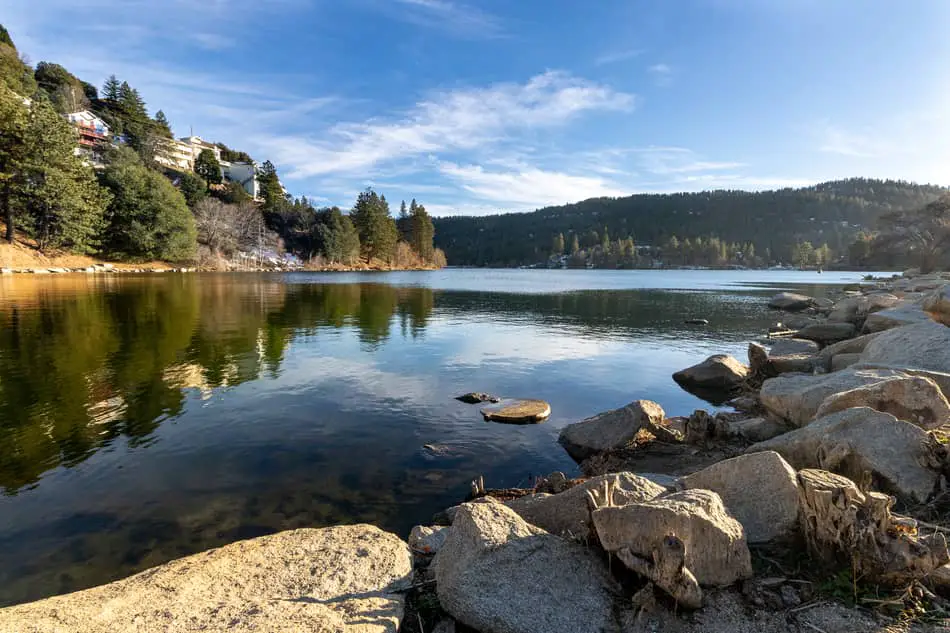
At Lake Gregory, expect an inflatable water park, sandy beaches, and giant water slides all surrounded by tons of majestic cedar pine trees. This is by far one of my favorite mountain towns.  

The lake, which is an 84-acre reservoir in the town of Crestline, lies within the San Bernardino Mountains at an elevation of 4528ft. Activities include hiking, fishing, swimming, kayaking perfect for the whole family. Every winter, the town transforms into a snowy winter wonderland. The loop around the lake is a total of 2.4 miles and has a very gradual elevation gain of 64 feet.

If you like Crestline, then you’re definitely going to like this other town in the San Bernardino Mountains. Click the following link to view Big Bear’s most popular trails.

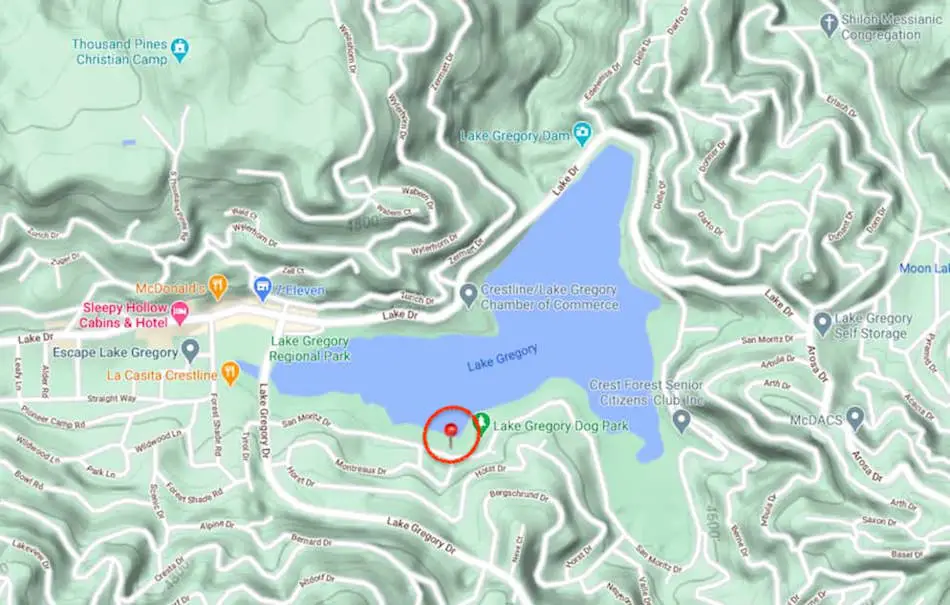
Lake Gregory Map


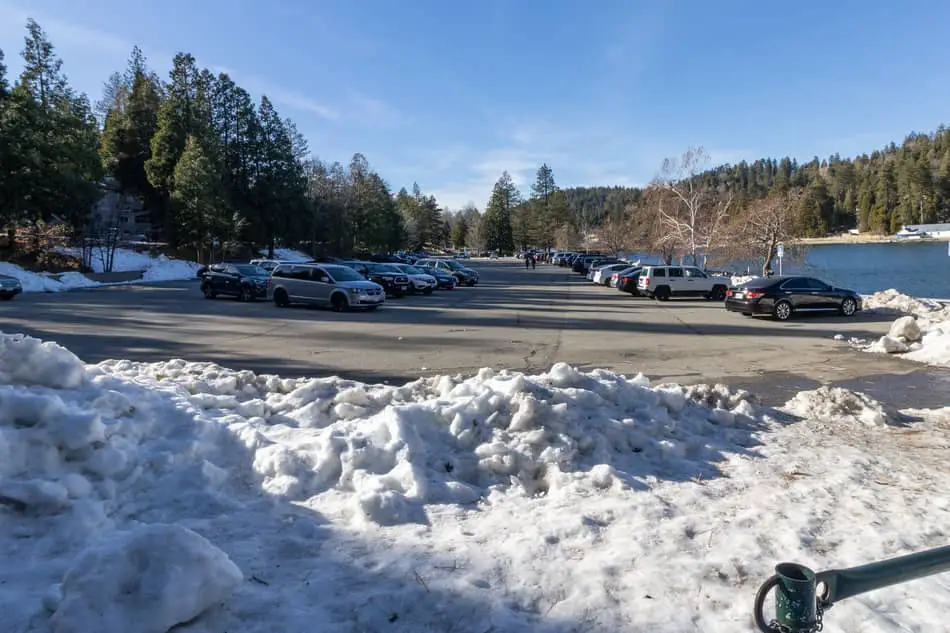
Lake Gregory Parking & Directions

lake gregory south gate and parking lot

Lake Gregory has 3 parking lots. To get to each parking lot, click the links below.

Lot A – North Shore

Lot B – South Beach

Lot C – San Moritz Lodge

To pay for parking, look for the bright green signs which include the payment directions.

You have three payment options

  1. QR code (scan w/ your phone camera)

  2. ParkMobile app (download here)

  3. ParkMobile website

The daily parking fees include:

  • $2 for the FIRST hour
  • $1 for each additional hour
  • $10 for the entire day

To avoid the fee, park on Lake Dr located on the north side of the lake.

Lake Gregory Things to Do

There are a myriad of things to do at Lake Gregory. Some are seasonal and others requiring paying a certain price.

See each activity below for additional info.

Lake Gregory Water Park

The Lake Gregory inflatable water is undoubtedly a summer favorite for most families. From Memorial Day to Labor Day weekend, you can expect a HUGE inflated waterpark floating in the lake!

Anyone 7 years or older or measuring at least 48” in height can enjoy this super cool experience. Teens and adults can join in too!

Price is $10 per day.

Want to view more kid-friendly hikes? Check out SoCal’s best hiking trails for kids. All of these hikes are easy, fun, and most importantly, safe enough for small children. 

Personal Boat Launch

Take your own kayak, durable boat, canoe, or stand-up paddle board for a relaxing day at the lake from sunrise to sunset.

Price is $10 per day or $89 for the whole year.

Dog Park

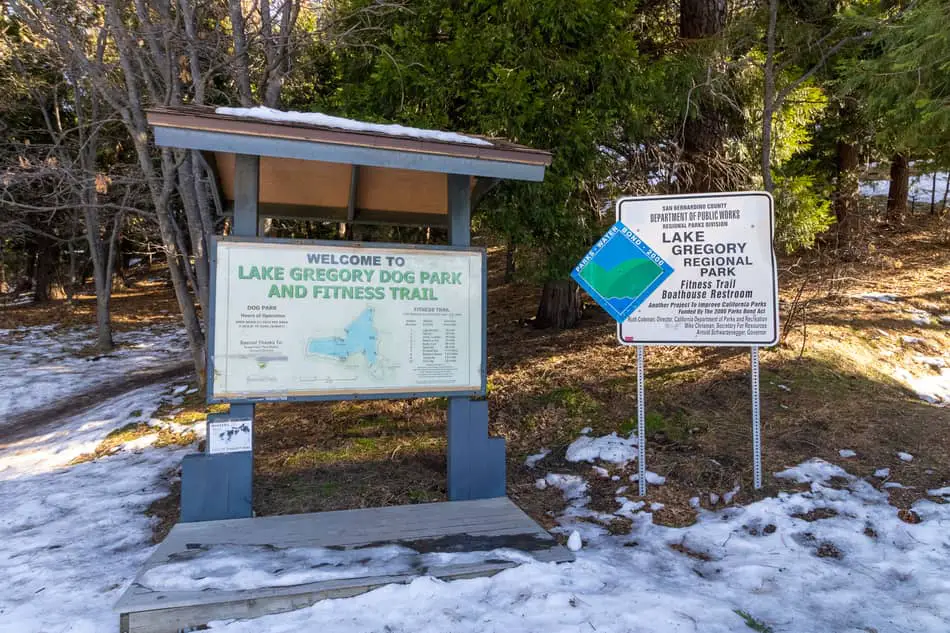
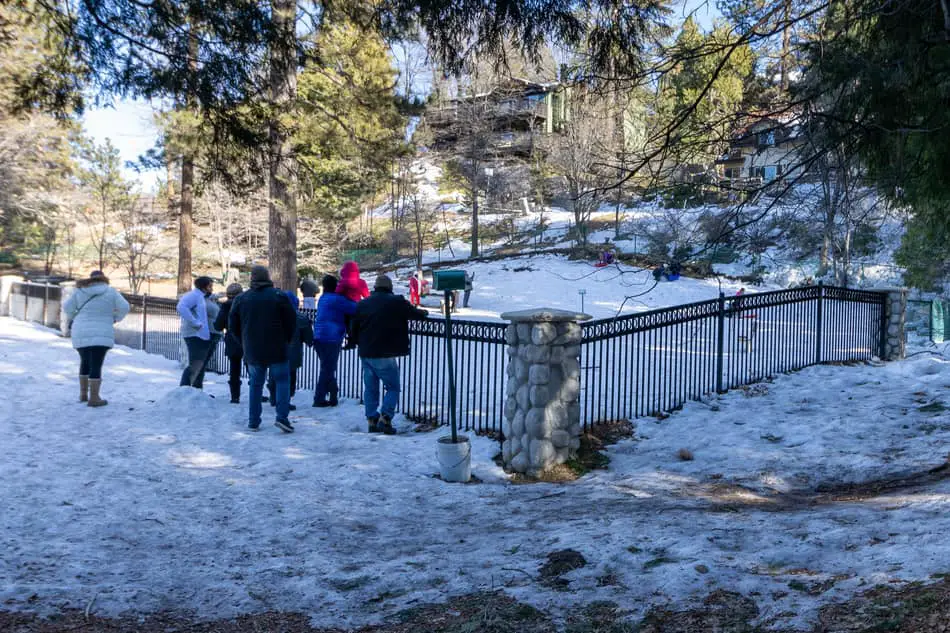
The dog park is a gated perimeter near the lakeshore and South Gate parking lot. What’s the price you ask? It’s FREEE

Skate Park & Sport Courts

Located across the street from the lake, this fun skatepark is free for kids of all ages.

Click the link HERE to view the exact location.

Water Slide

A water slide, resembling those of Raging Waters, is located near the lakeshore and empties into small pool. The slide, like the inflatable water park, is open to the public from Memorial Day to Labor Day.

The price is $10 per day.

Beach & Splash Pad

If you don’t feel like playing in inflatable water park or sliding down the water slide, you can relax at the beach or take your kids to the Splash Pad.

The Splash Pad is an area with water fountains where small children can safely enjoy the water, as it’s not a pool.

The price for the day is also $10.

Fishing

Fishing at Lake Gregory is a year-round sport. The lake is rated as one of Socal’s best lakes for trout fishing, and is frequently stocked with 1550 lbs of Golden and Rainbow Trout. 

The cost is currently $10 per day or $89 for the whole year. 

All-Access Day Pad

If you plan on spending all day at the lake, you should consider the All-Access Day Pass. It’s $20 and includes the Inflatable Water Park, Water Slide, and Splash Pad.

You can find the link to purchase all of the aforementioned passes HERE.

Lake Gregory Rentals

Don’t own a boat or bike? No worries, you can rent the following items:

  • Duffy Boat
  • Pedal Boat
  • Row Boat
  • Aqua Cycles
  • Canoes
  • E-Bikes
  • Paddle Boats
  • Kayaks
  • Cabanas

All rentals can be found HERE.

Lake Gregory Events

Lake Gregory hosts a myriad of events such as free concerts, farmers markets, and the patriotic annual Fourth of July Fire work show, to name a few.

For more info on the events, click the link HERE.

Lake Gregory Loop

Last but not least is the 2.4 mile loop around the lake. The trailhead begins at the South Gate parking lot, where you’ll find a map of the area.

By the way, if this hike is too easy for you, consider Pine Knot Trail To Grand View Point, a 6.89 roundtrip mile hike located in Big Bear with amazing views of San Gorgonio Peak and the Santa Ana River. 

lake gregory

It’s crazy to think that this 84-acre lake is in such a small community!

Almost immediately, you’ll arrive at the dog park area where the kids were having fun sliding down on their snow sleds. 

lake gregory

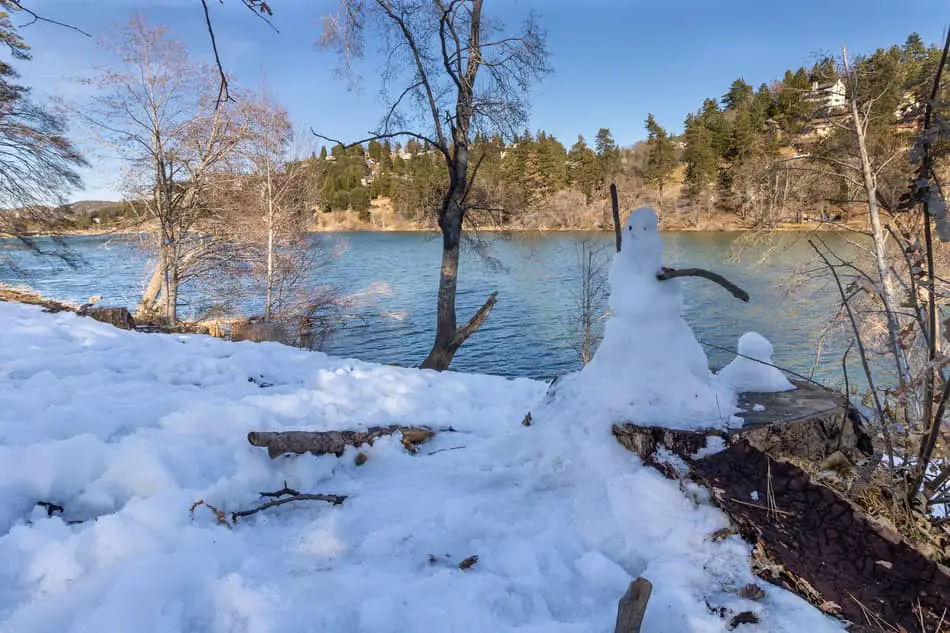
Further down the trail, I came across this funky-looking snowman. It definitely felt like wintertime! 

lake gregory

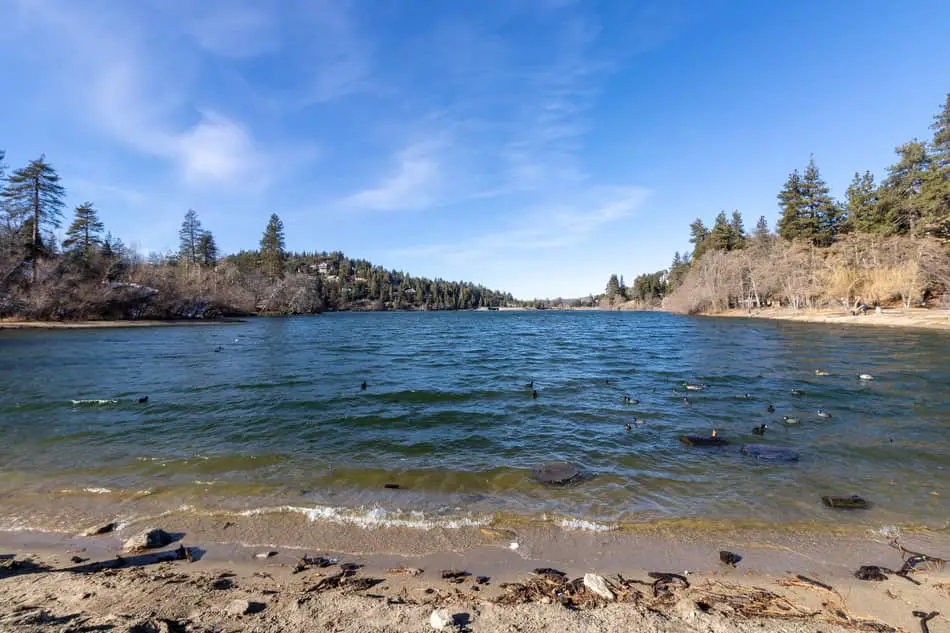
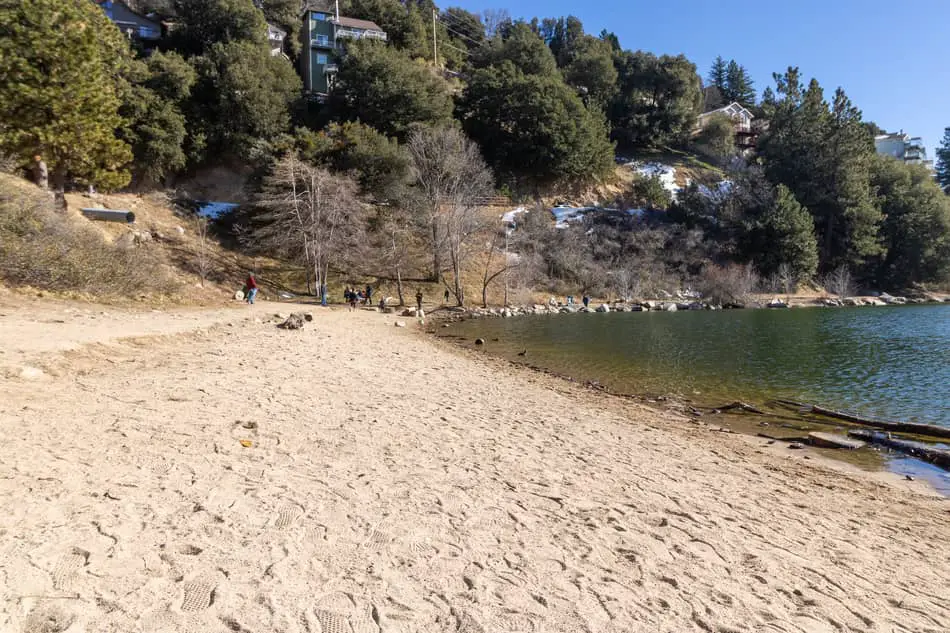
As you continue your nature walk, you’ll arrive at the second beach, which faces north. Unfortunately, swimming is only allowed in the designated area.

The area is beautiful. I’m surprised it’s not a preserve, which reminds me. Visit the Etiwanda Preserve waterfall, the most popular falls in the county of San Bernardino, for more amazing outdoor hiking adventures.

lake gregory

Shortly afterward is the third beach, which faces west, and is primarily used for relaxing and fishing.

lake gregory

I can’t even imagine how beautiful those sunsets and sunrises must look like from the lakefront houses. The view is amazing. 

If you like lake views, then you have to add the Castle Rock hike to your list. The short trail leads you to a mount of huge boulders which can be climbed to enjoy breathtaking views of Big Bear Lake.

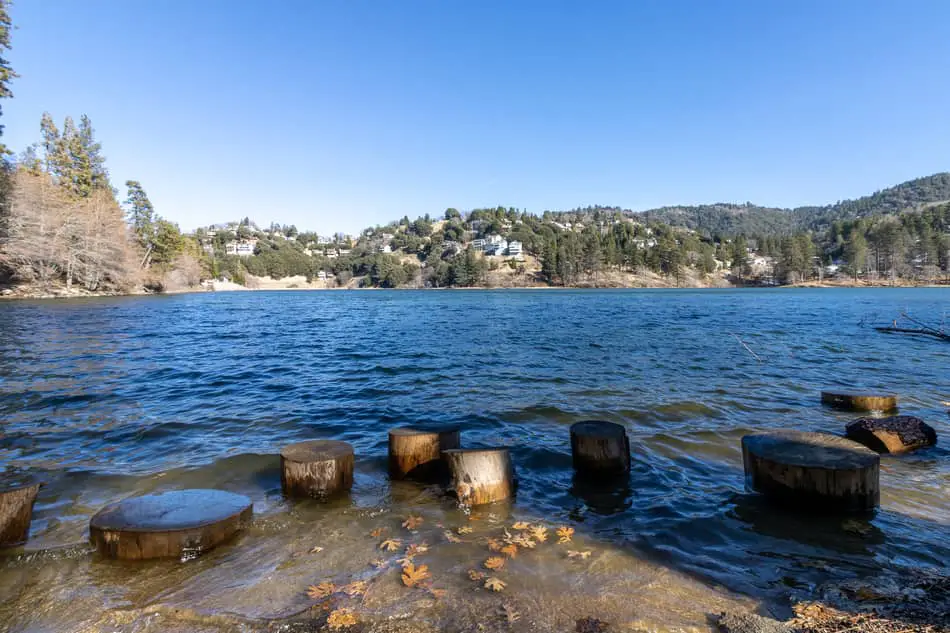
A little further, there’s a small sandy section with tons of logs. This is another perfect spot for fishing, relaxing, and taking photos. 

lake gregory

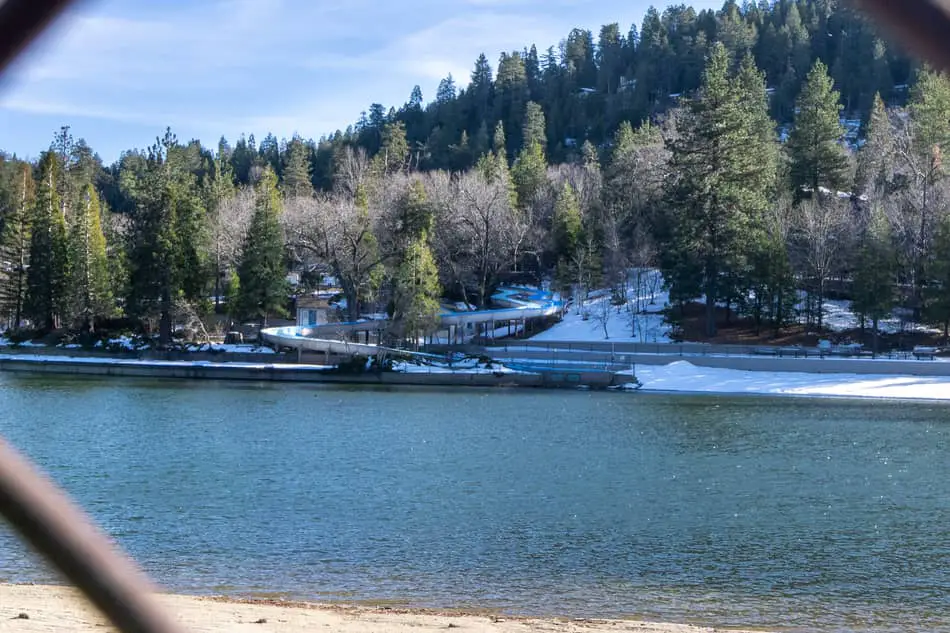
Below is a picture of the water slide covered in snow. The loop around the lake is almost complete.

lake gregory

After the water slide, you’ll have to walk down Lake Gregory Dr and back into the South Gate parking lot to complete the loop. I highly recommend visiting this place in the summer.

The lake activities are unlike any other place in our mountains, and can be enjoyed by the entire family.

Don’t leave just yet! Did you know a Crestline waterfall is located just a few minutes away from the lake? It’s an easy but stunningly beautiful trail shaded by a sea of tall pine trees that ends at a waterfall with a heart-shaped hole next to the top of the cascade. Check it out. You won’t regret it!

History and Fun Facts About Lake Gregory

It might be surprising to know that Lake Gregory is actually a man-made lake. Here’s how it all began.

Lake Gregory was originally known as Houston Flats. In 1937, a Redlands Citrus grower by the name of Arthur Gregory, Sr. helped with the Works Progress Administration (WPA) grant that began damming the east and west forks of the Houston Creek in order to create the lake.

Within the next year, federal funds ran out before it was completed. Gregory was generous enough to lend plenty of money in order to finally complete it.

In 1938, it was estimated it would take about three years to fill up the dam. To their surprise, the rains were so heavy in March that it only took three days to fill up the lake!  Now, Lake Gregory is 80 feet deep (at its deepest) with a surface elevation of about 4,550 feet!

If you had a good time at Crestline, then I highly recommend you visit Big Falls in the San Bernardino Mountains, the largest waterfall in Southern California. It’s a whopping 500 feet high, and also located in a small mountain town called Forest Falls.

Norco Powerhouse: Spooky Riverside Relic [DEMOLISHED]

Norco Powerhouse: Spooky Riverside Relic [DEMOLISHED]

Distance 

0.9 Miles

Time

~25 Min

Difficulty

Easy

Season

All Year

Elevation Gain

98 Ft

Before getting demolished, the Norco Powerhouse was a spooky Riverside relic dating back to the time when CA was beginning to power its cities. The abandoned building quickly became an attraction for hikers, photographers, and equestrians.

The Norco Powerhouse used to be an easy 0.9-mile trail located at 1111 Pedley Substation Rd Norco, California. This old abandoned hydroelectric powerhouse was located between a plant nursery and a neighborhood. It was known for its architecture and graffitied walls. Dogs were allowed on leashes.


***UPDATE: The Norco Powerhouse building has been demolished as of 9/3/21.

Norco PowerHouse Map


How to Get to Riverside PowerHouse


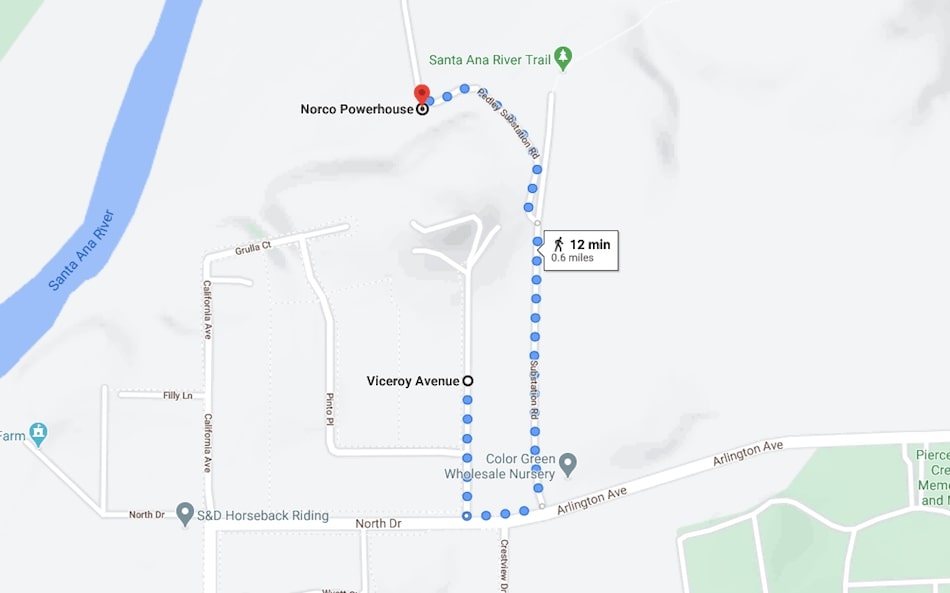
Getting to the Riverside Powerhouse is fairly easy and only takes about 10 minutes from your parked car to the abandoned building. 

Directions to Norco Powerhouse: Norco Powerhouse, Norco, CA 92860 

Looking for hikes in Riverside County? Checkout these posts!

Norco Powerhouse Trail


norco powerhouse 2

You can park your car on the residential street, Viceroy Ave.

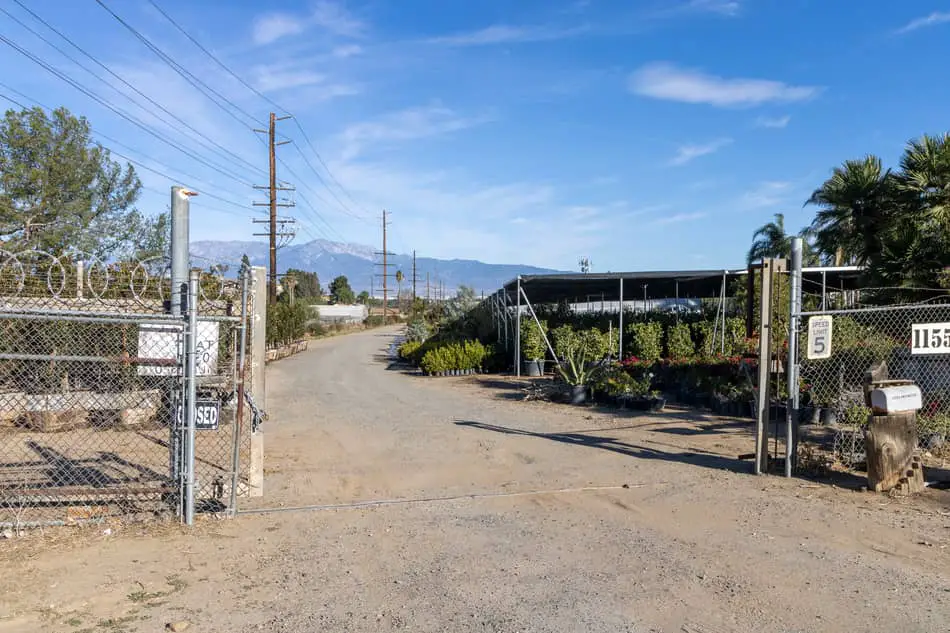
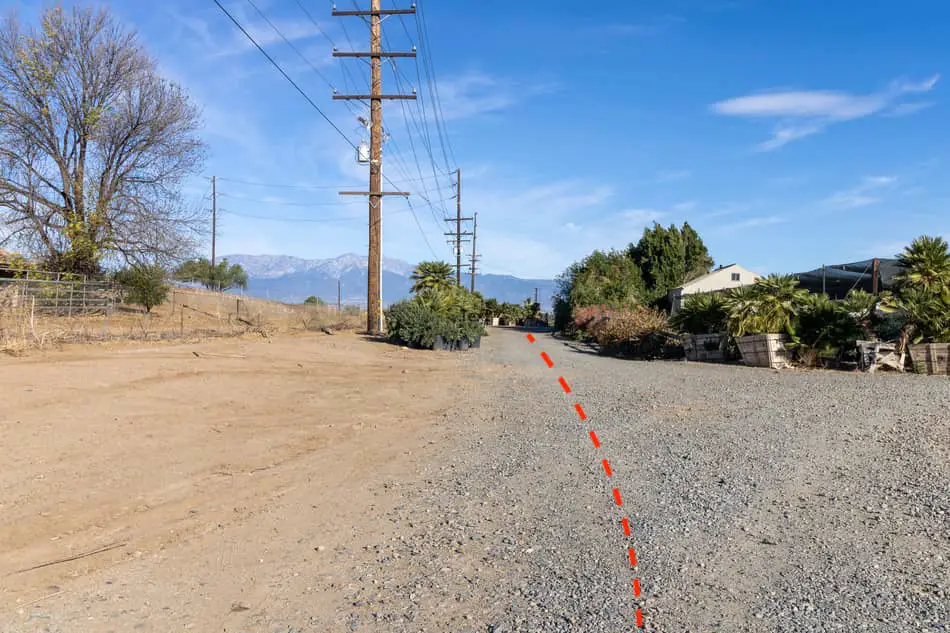
Walk through the gated nursery as this will lead you onto the gravel road. Expect beautiful views of the LA and San Bernadino National Forests. 

norco powerhouse 1

Follow the graveled road which runs parallel to the horse trail. It’s not uncommon to see equestrian groups passing by.  

norco powerhouse 3

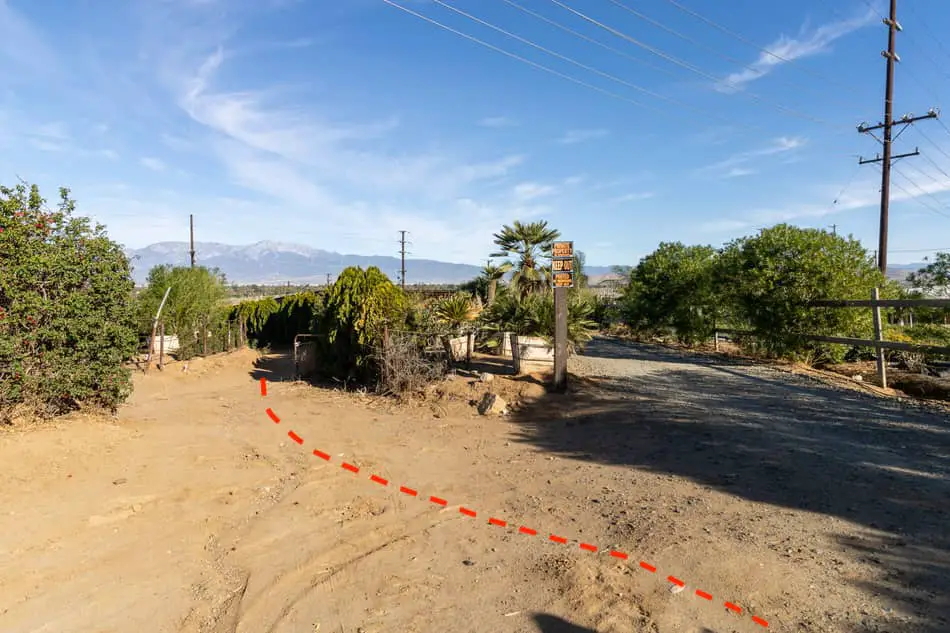
When you reach a sign that says “Keep Out”, take the left side, which merges onto the horse trail. Be aware and stay clear of the people riding their horses, as well as horse poo!

norco powerhouse 4

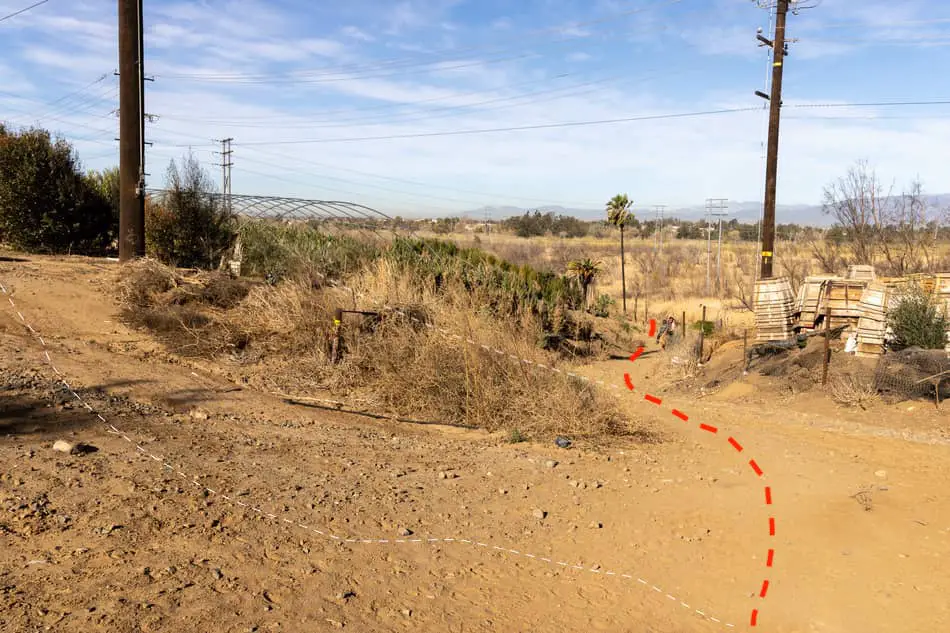
As you walk along this road, you’ll reach another intersection where the road splits in three directions. Keep walking straight as shown by the red dotted line.

Go ahead and wave hello to the tall horses and tour guides on horseback. They’re friendly people!  You’re almost there. 

norco powerhouse 5

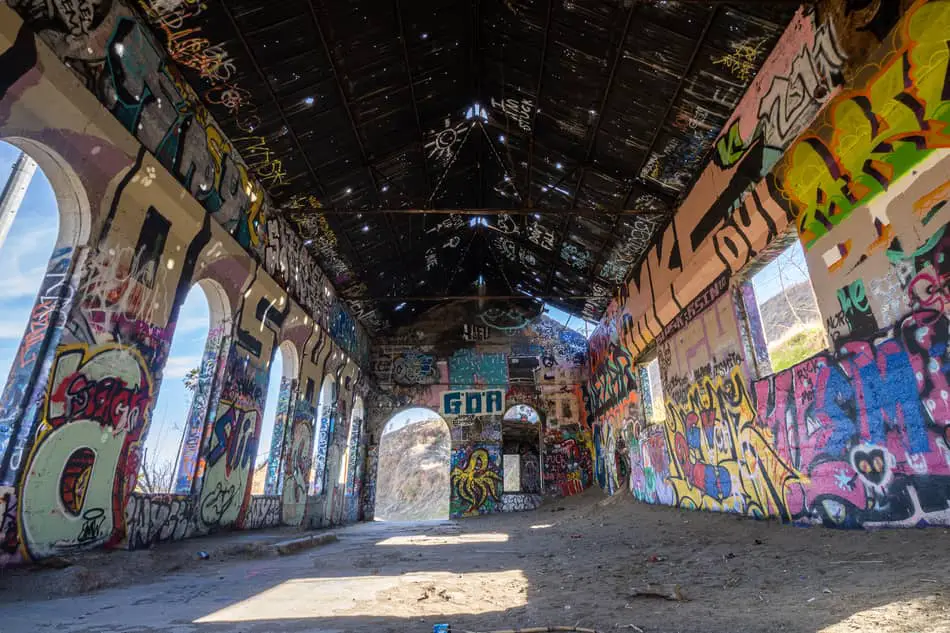
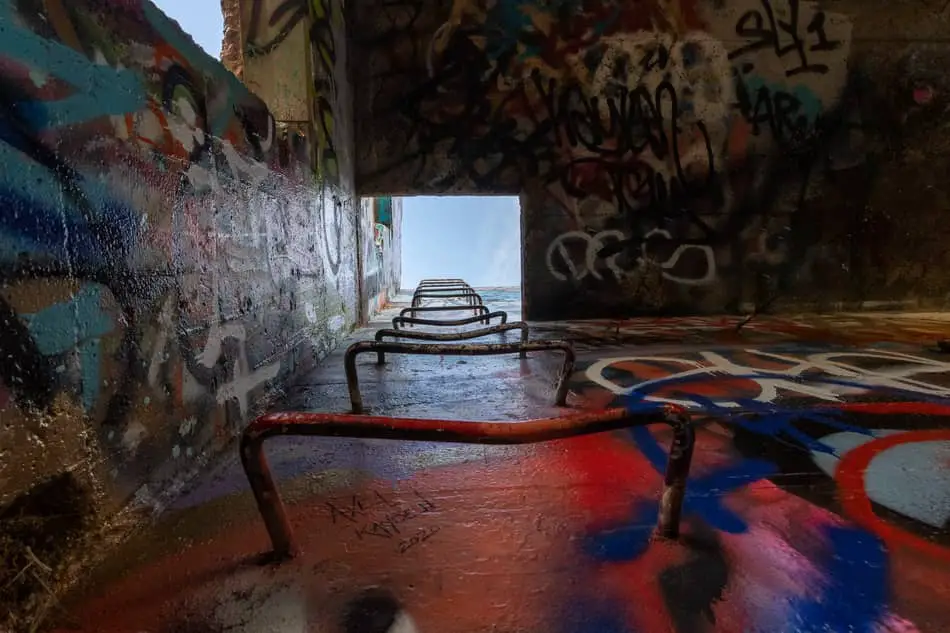
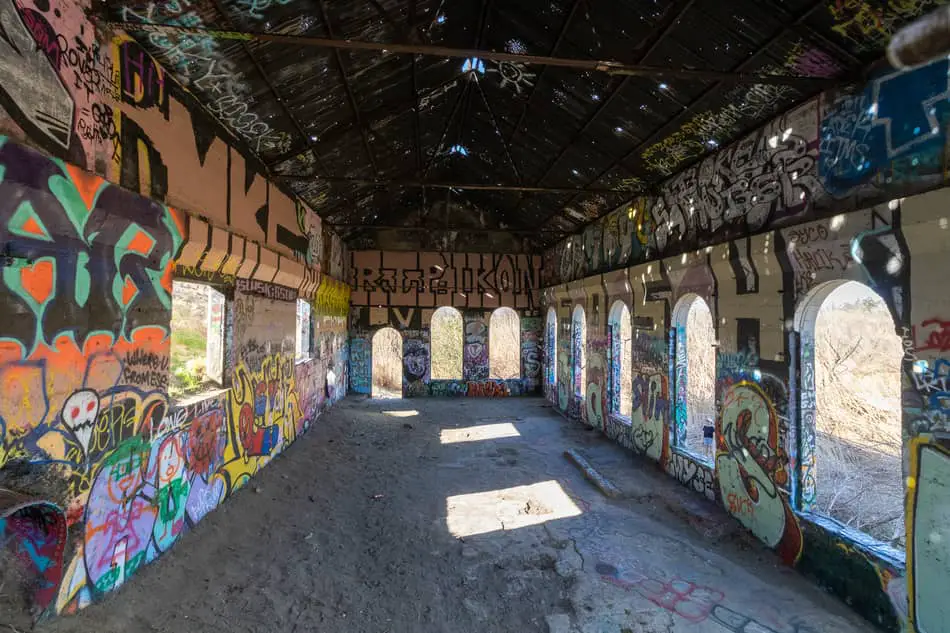
Finally, you’ve reached your destination, a tall building with graffiti art and interesting arched doorways. Take a look around and read some of the messages on the walls. 
This place will give you the creeps if you venture to it at night!

norco powerhouse

The image above was taken from the opposite side of the PowerHouse entrance.
norco powerhouse 7

The small room next to the entrance leads to a secret little place upstairs. Curious? Climb up this rusted built-in ladder.
norco powerhouse

The upstairs room has a small arch where you can peek through to the entire main area.

Be careful if you have small children, as there are some holes on the ground big enough for their feet to slip into.

norco powerhouse

This is the view from upstairs through the small arch.

The light shines through all the holes in the ceiling and through the archways to form a very interesting view. 

norco powerhouse 8

It’s a bummer this place was torn down. All that’s left are memories and photos of this historic place.

I hope you at least get enjoy these pictures if you didn’t get the chance to visit in person. If you’re looking for hikes in the area, feel free to click HERE to checkout more Riverside Hikes.

History of Norco PowerHouse


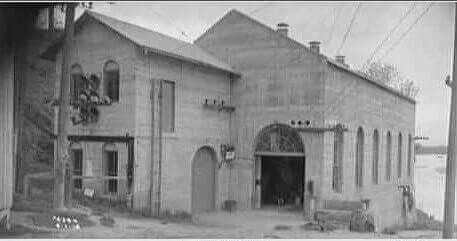
The Norco PowerHouse has a bit of history behind it. William E. Pedley founded Riverside Power Company in the early 1900s. A little background on Mr. Pedley, he was the designer, builder, and engineer of the irrigation system in Riverside. 

Built in 1903, this hydroelectric powerhouse was named after him and was meant to power the entire city of Pedley California as well as surrounding cities. Along with this project, they had also built a cement channel where water would travel down into the PowerHouse.

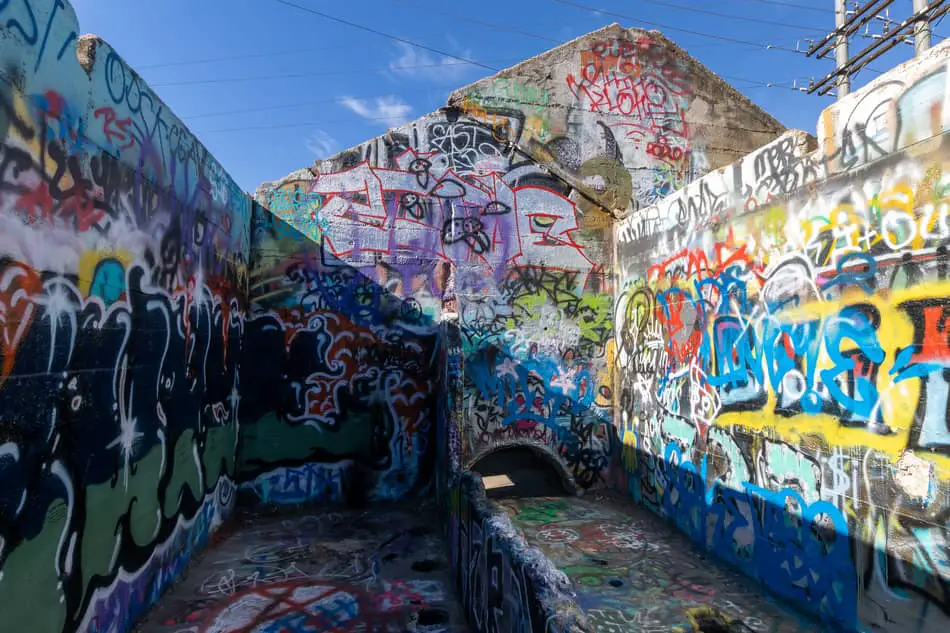
This is what helped create hydroelectric power, with the help of turbines. You can find this now-graffitied channel on the opposite side of the main entrance along the hill.  Troubles arose as the county had voided the contract of the power plant because of the faulty systems.

Three years later, a company by the name of Pacific Light and Power took over. However, this didn’t last long, as the PowerHouse was then later abandoned in 1914 because of water damage to the headworks. 

The fate of the Pedley PowerHouse was short-lived, indeed. It’s now a hang-out spot for paintballers, gratifiers, curious cats, and adventure seekers.

FAQ

Is The PowerHouse Haunted?

There’s a lot of stories that go around mentioning creepy sightings and experiences at this place. When we hiked down there, we were greeted by a local on horseback. She asked, “Found any ghosts yet? I’ve heard a lot of stories about this place.” We laughed and I was left curious.

There seems to be paranormal encounters that have been kept within the walls of this place and rumors that only the locals know of.

There are some scary and fun videos online where people have claimed to hear growling noises or whispers. One person mentioned feeling chills and as if there was another presence inside. It was dark, so this can add to the spookiness of it all.

Another person claims that séances are sometimes done, which can possibly be explained by some pentagram signs drawn on the walls. The most extreme story I came across was that a person had hung themselves there.

Seems like an exaggerated case, but who knows. If you’re interested in the paranormal, you can try ghost hunting in this old abandoned building at night.  

Is the Norco PowerHouse closed? 

Yes the Norco Powerhouse was demolished in September of 2021.

How is the Norco PowerHouse rated?

The Norco PowerHouse is rated a 4.5 our of 5 stars.