San Gabriel Peak Hiking Trail Via Eaton Saddle (Closed)

San Gabriel Peak Hiking Trail Via Eaton Saddle (Closed)

Distance 

2.8 Miles

Time

~1-1.5 Hrs

Difficulty 

Moderate

Season

All Year

Elevation Gain

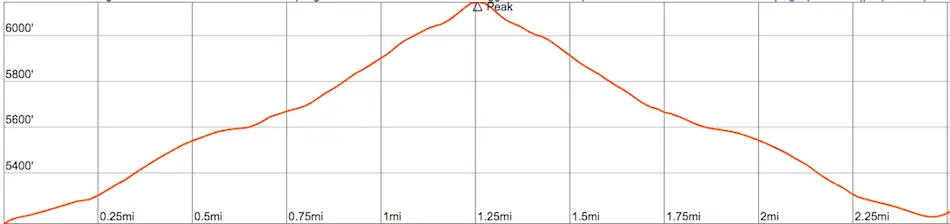
971+ Ft

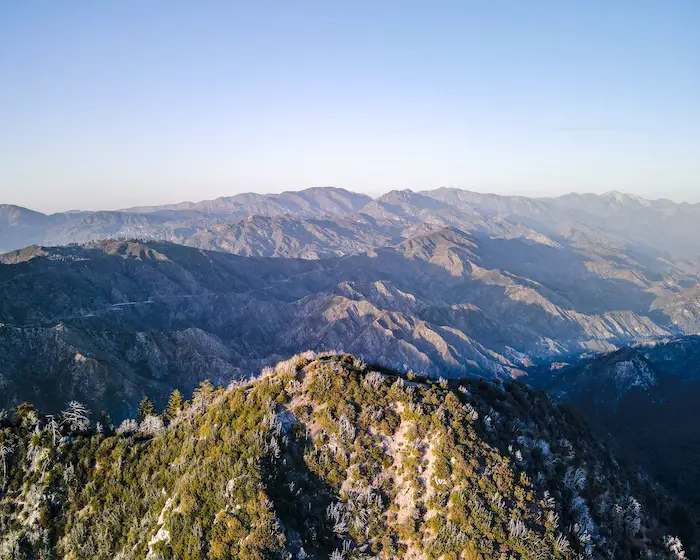
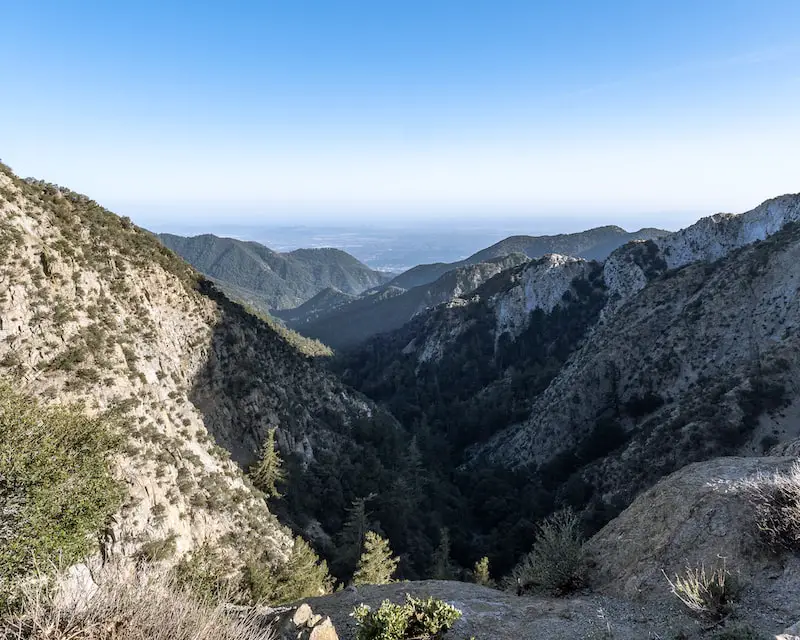
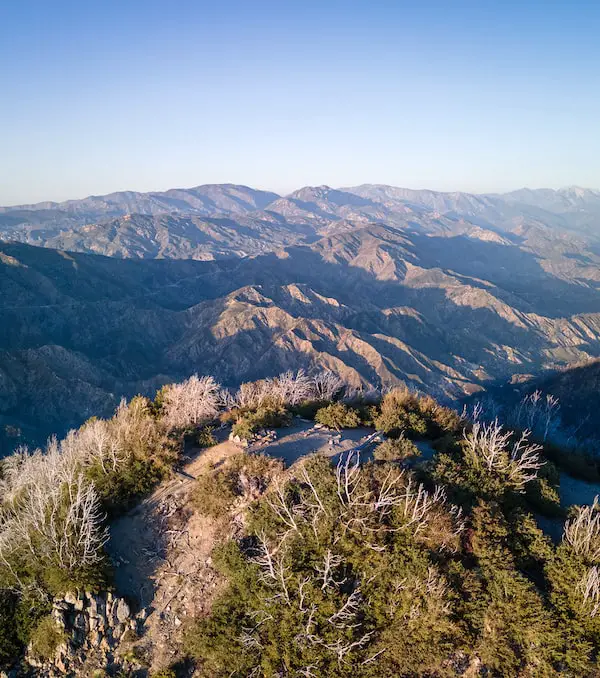
Experience breathtaking birds-eye views of various local sites of interest, such as Mount Wilson and Mount Lowe Peak, atop San Gabriel Peak.

San Gabriel Peak is a moderate-level, short hike featuring views of various local hiking destinations. The summit is located within the San Gabriel Mountains near the city of Pasadena. There is a steady incline to the top with 971 feet of elevation gain.

Map of San Gabriel Peak

powered by Advanced iFrame

San Gabriel Peak Trail (Route we took)

Other Routes to San Gabriel Peak…

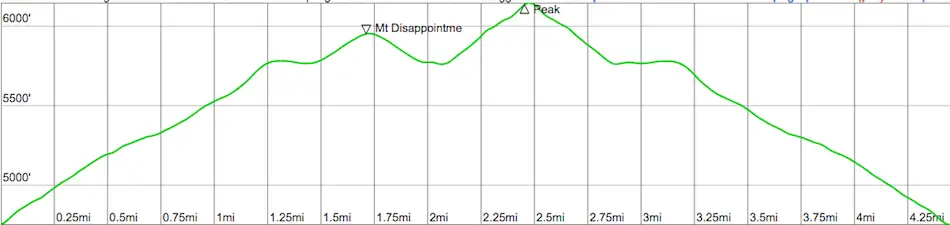
Mt Disappointment + San Gabriel Peak (4.4 Miles)

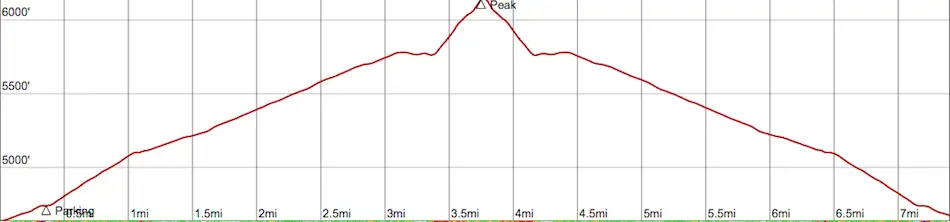
San Gabriel Peak via Red Box (7.3 Miles)

Download Printable PDF Map

Directions to San Gabriel Peak

Click here for directions on google maps.


Other fun LA hikes for your weekend:


Hiking to San Gabriel Peak Trail

One of the best features about this hike is the amazing views witnessed throughout the entire trail, which begins via the Mt Lowe Fire Rd.

The first scenic view includes the lush and extremely popular Eaton Wash tucked between Mount Markham to the right and Occidental Peak to the left, before it empties into the lively city of Pasadena.

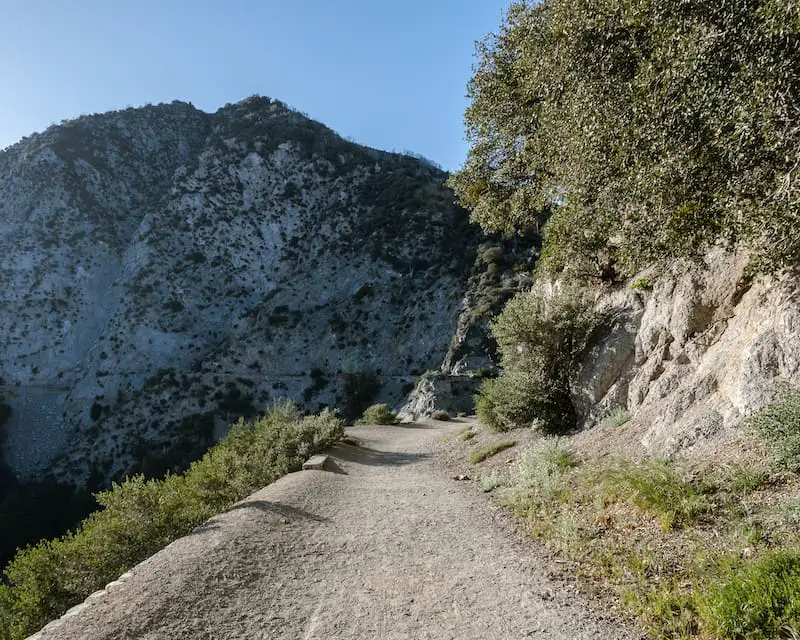
Mount Lowe Fire Rd, named after Thaddeus Lowe, a professor responsible for building the mountain railway, is now a rutted dirt road consisting of about 1/3 of the hike up to the peak.

However, don’t be fooled. The surrounding mountain ranges more than makeup for the dull road.

mount lowe rd

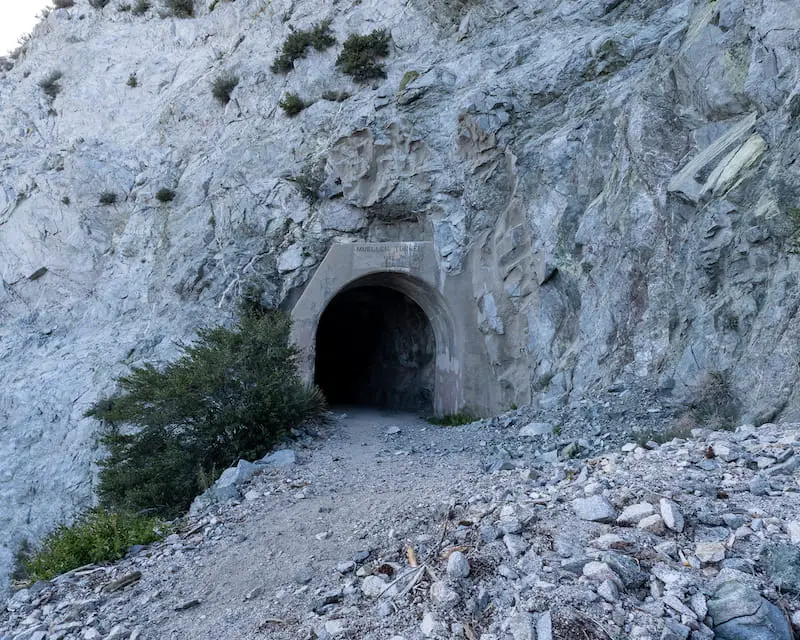
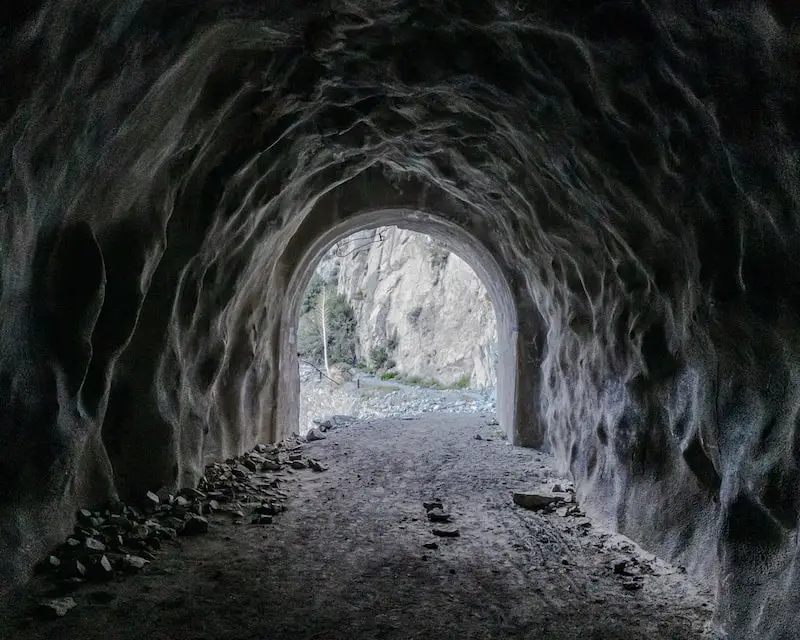
About halfway into the hike’s portion of the Mount Lowe Rd, you’ll arrive at the 100 yard-long Mueller Tunnel, built in 1942 by the Forest Service.

Fun Fact: If you look to the left of the tunnel, you’ll notice stakes along the canyon wall. These stakes are the only remnants of the trail originally used to trek around the mountain.

mueller tunnel

When you arrive at Markham Saddle, do not continue down Mount Lowe Fire Rd. Instead, make a right to hop onto the San Gabriel Peak Trail.

Read More: Super Short Hike in LA to Man-made Waterfall

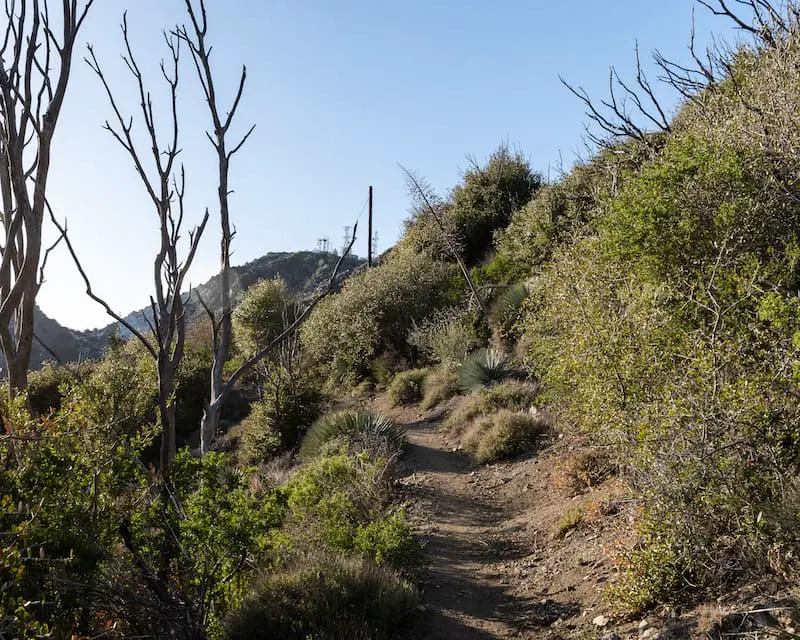
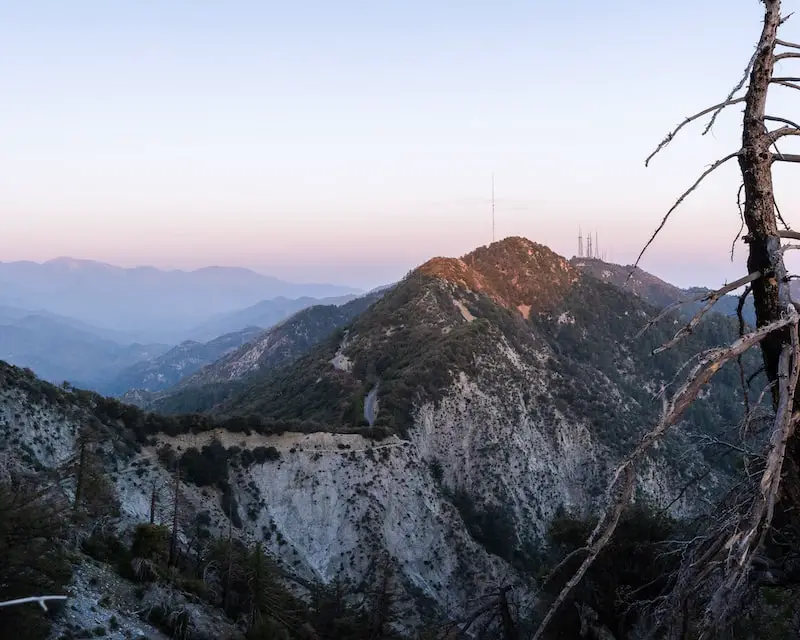
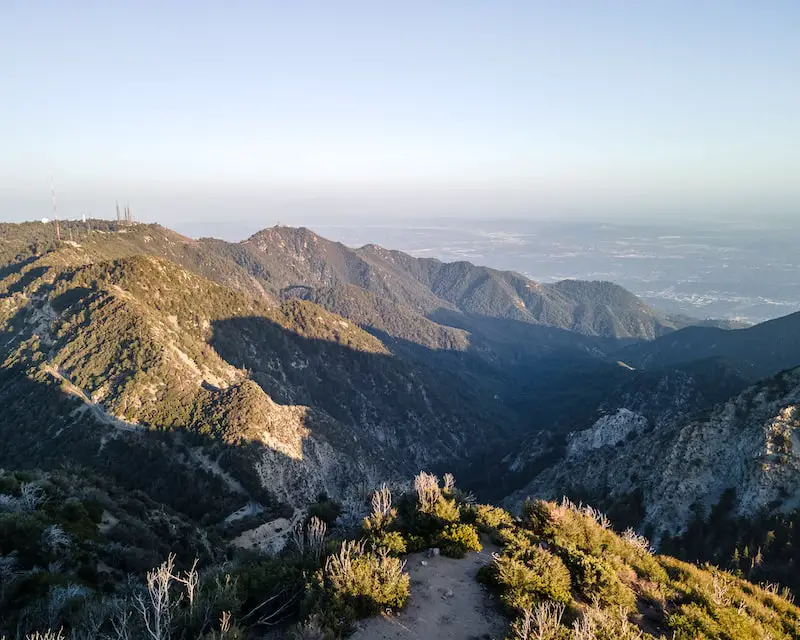
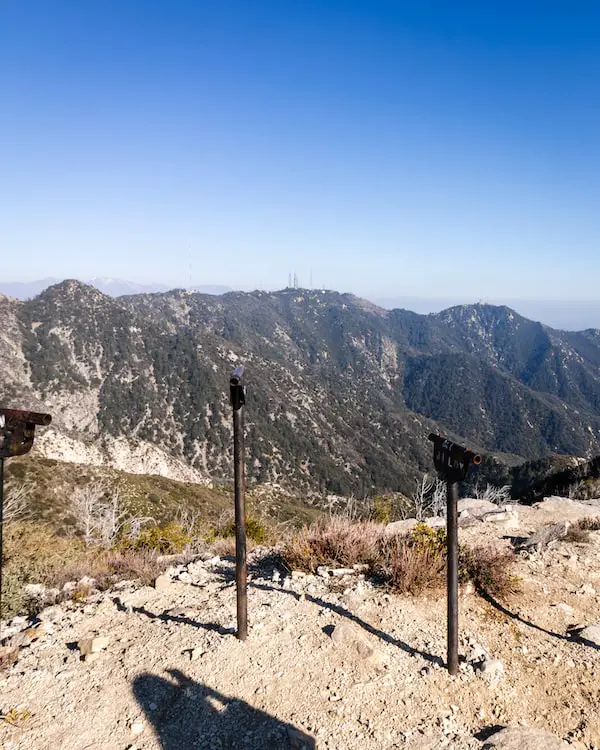
The San Gabriel Peak Trail quickly zig zags its way up the mountain while boasting views of Eaton Canyon to the East, Bear Canyon to the West, and many of the surrounding peaks, such as Mount Disappointment shown in the image below (look for the antennas).

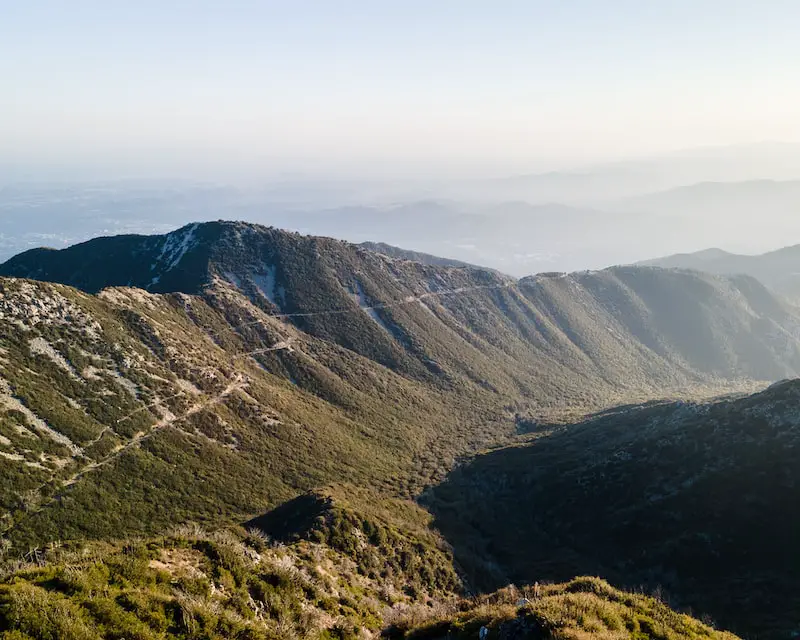
Below is Occidental Peak in the foreground covering most of Mount Wilson, a peak known for its multiple observatories, transmitter towers, and as one of the six pack of peaks.

Notice Mt Lowe Fire Rd precariously weaving its way up the mountain.

(The shot below was taken on our way back. Hence, the time change).

Mount Wilson

After roughly three quarters of a mile from Markham Saddle, you will arrive at the peak.  If the skies are clear, Catalina Island can be seen 35 miles out to sea.

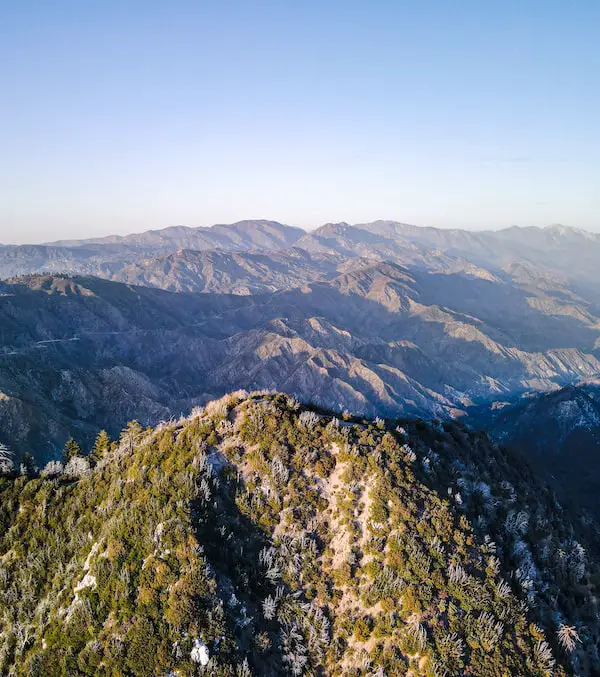
The two images below show San Gabriel Peak in the foreground flanked by Cedar Canyon, home of West Fork San Gabriel River, while Mount Lawlor is centered in the background, accompanied by the more rounded Strawberry Peak to the left.

Even if Catalina Island isn’t visible, San Gabriel Peak has many more breathtaking views to offer.

Below is Bear Canyon and Mount Lowe Peak (where the swing is sometimes located).

The road is the continuation of Mt Lowe Fire Rd which leads down to the historic sites, Inspiration Point and Echo ruins, both built by Professor Lowe.

Read More: Mount Lowe Hike to a Swing Above the Clouds

bear canyon

Here is a view of Mount Wilson and Occidental Peak from San Gabriel Peak, now joined by Mount Harvard to the right, which also boasts a few towers of its own.

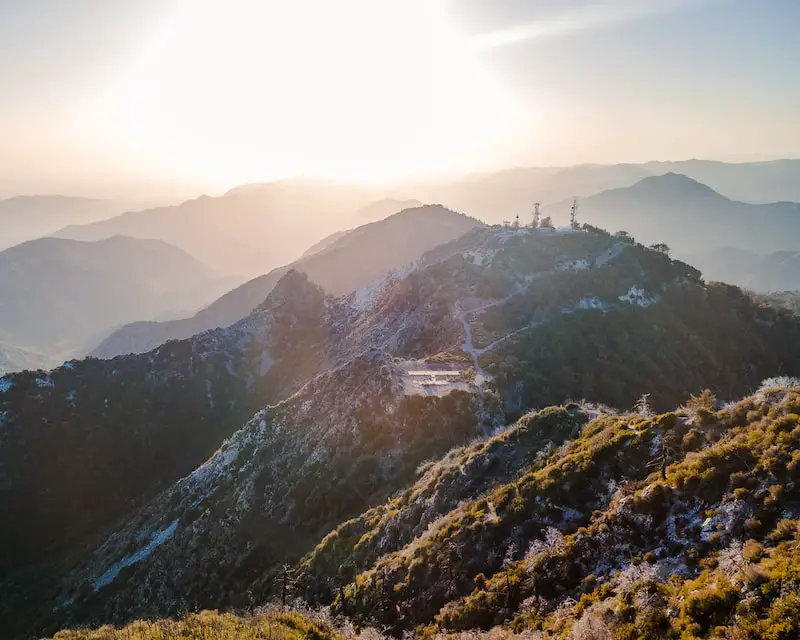
Last but not least, you’ll be able to look down on Mount Disappointment, which acquired its name in 1894 when the USGS surveyors incorrectly claimed it as the highest point in the area.

The large cemented square is a helipad, and the mountain ranges toward the far back/left side of the image are the Santa Susana Mountains. The smaller peak to the right is Josephine Peak.

Mount Disappointment

Plan your weekend with this guide: 7 Hiking Trails in & Near Pasadena

Green Valley Falls: San Diego Hidden Gem

Green Valley Falls: San Diego Hidden Gem

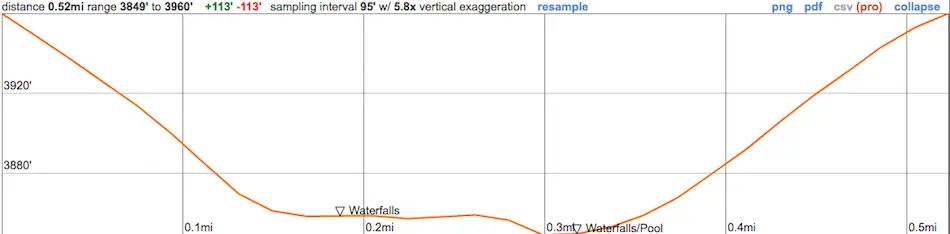
Distance 

0.5 Miles

Time

~15 Min

Difficulty 

Easy

Season

All Year

Elevation Gain

113 Ft

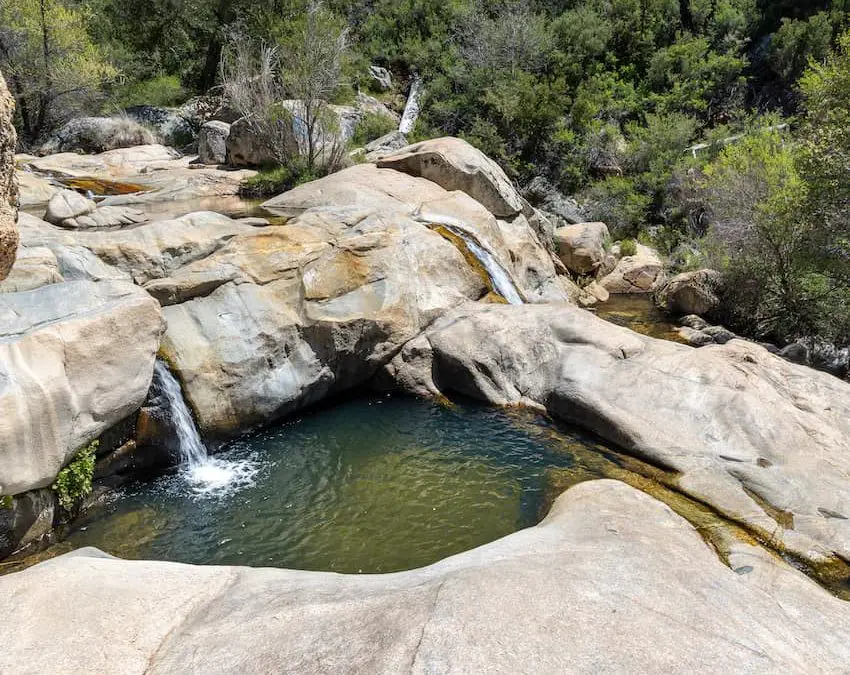
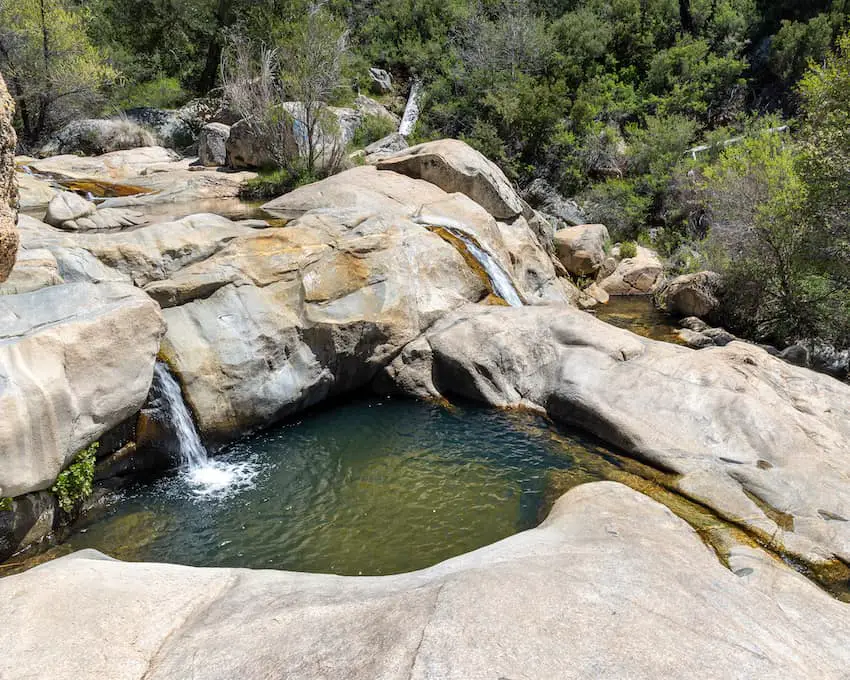
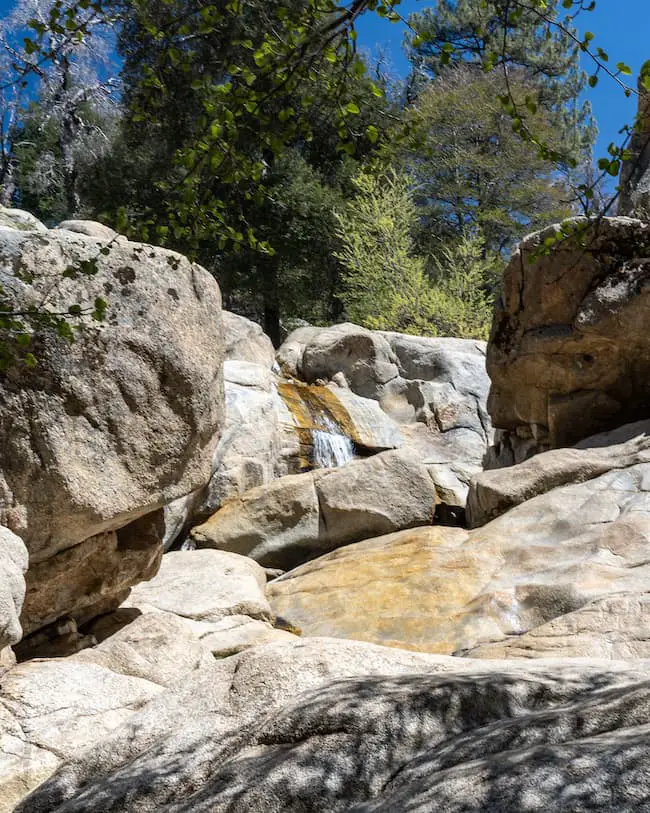
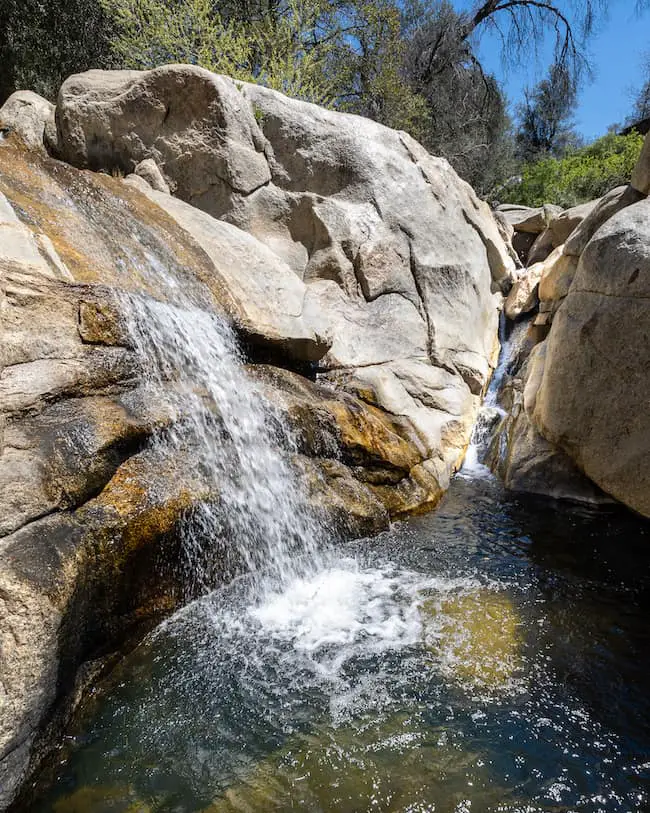
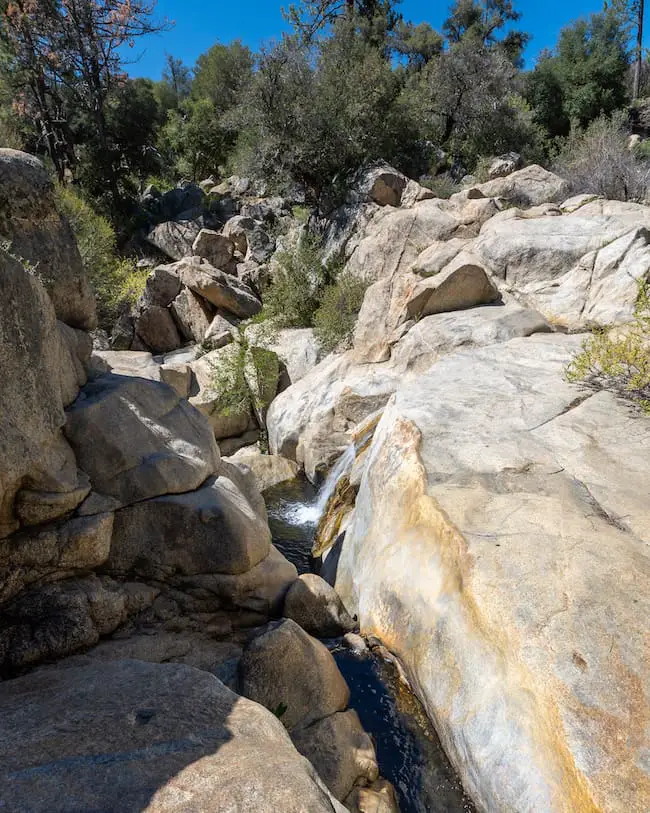
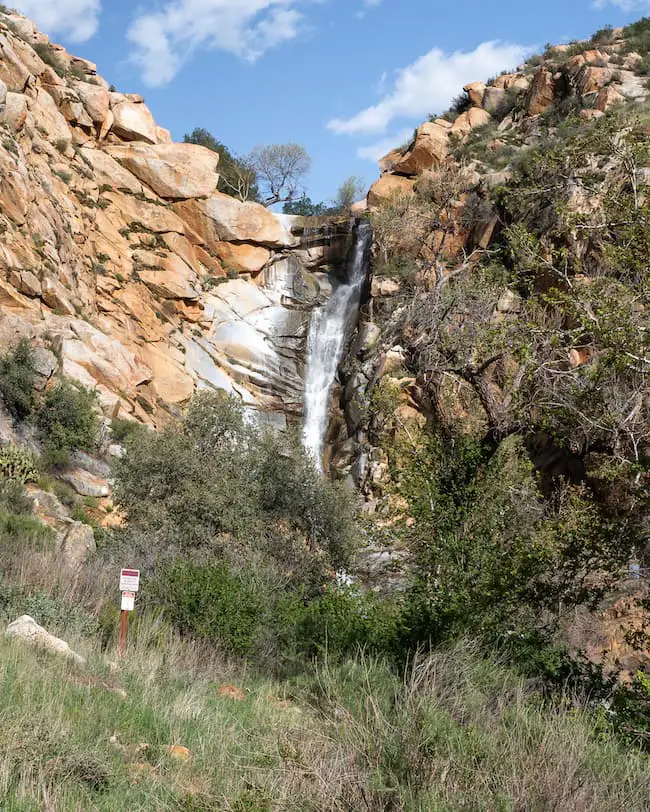
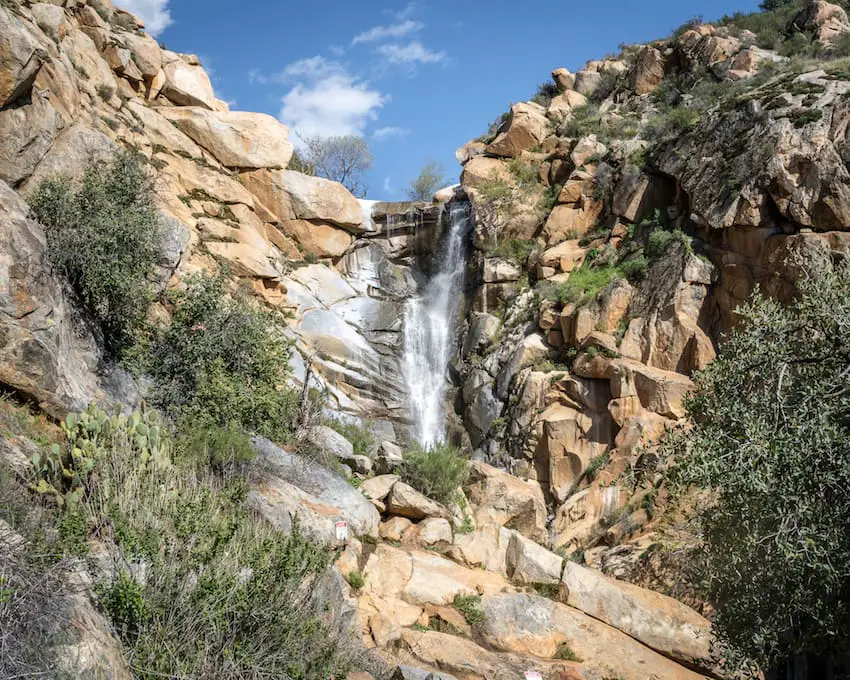
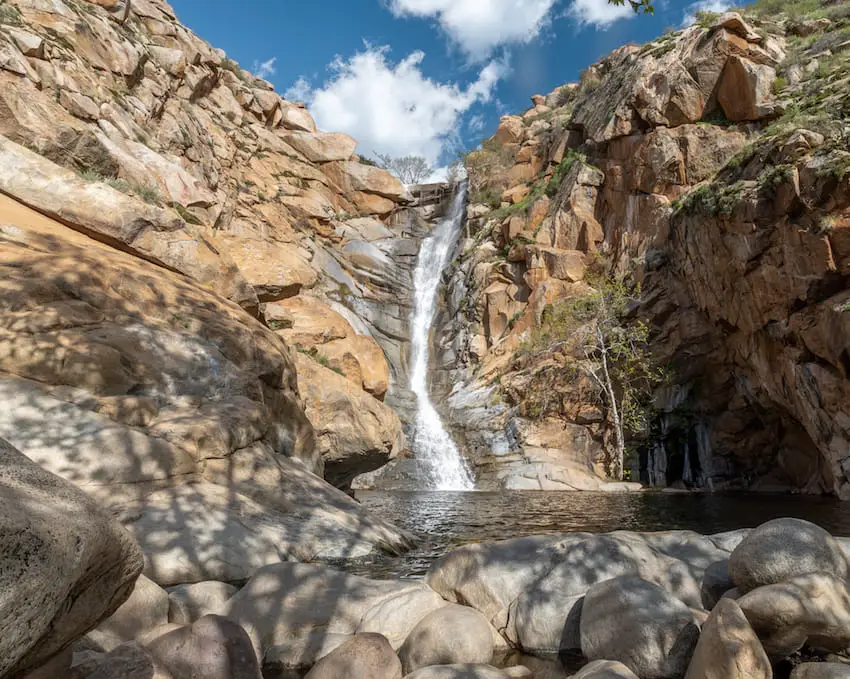
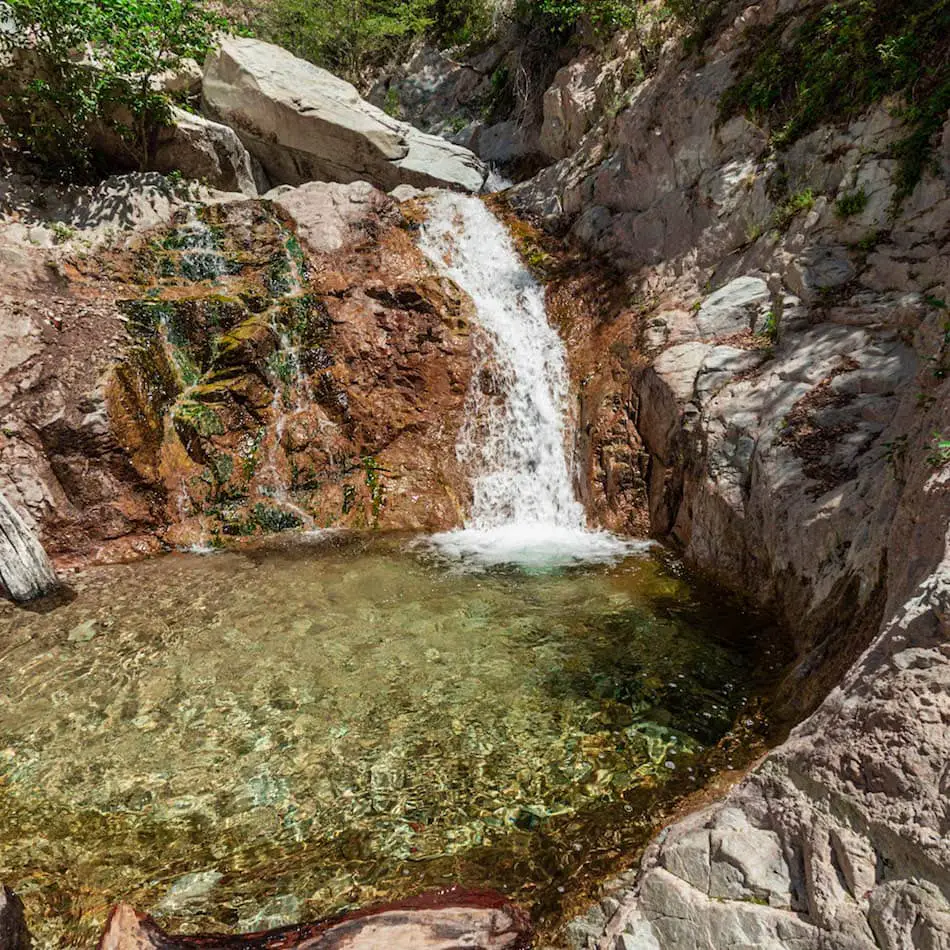
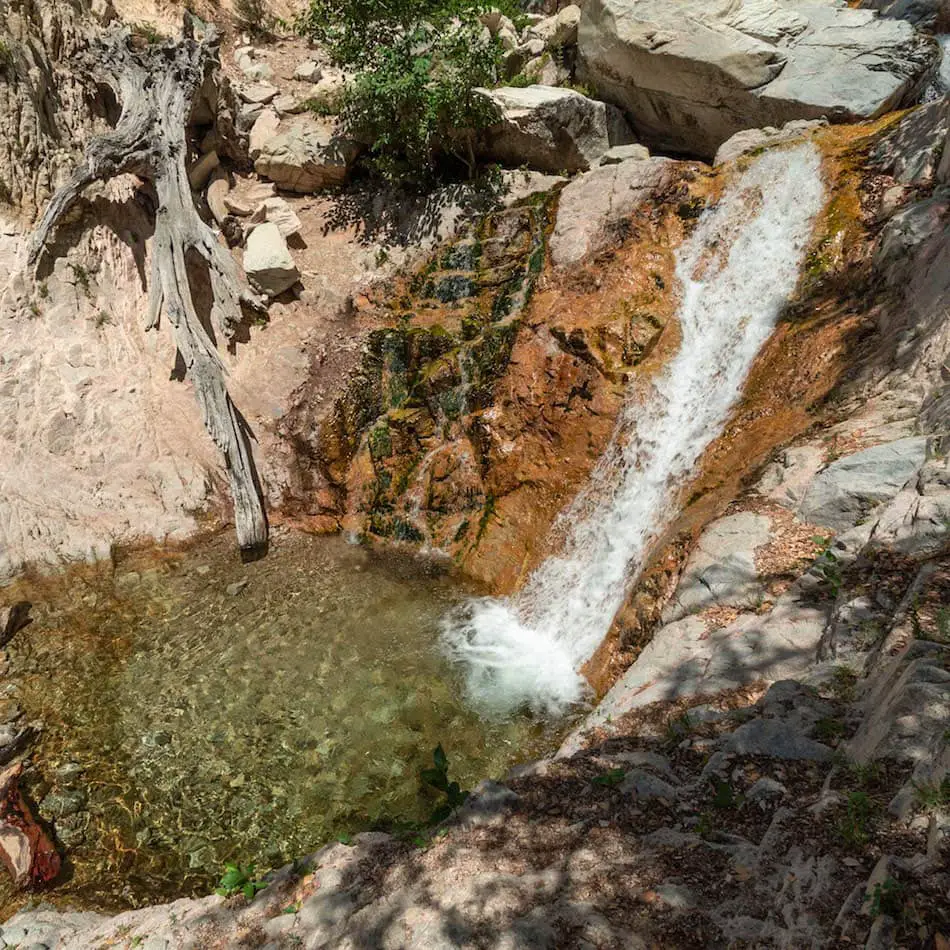
Looking for mountain swimming holes with crystal clear water and multiple cascades? Checkout Green Valley Falls in the Cleveland National Forest!

Green Valley Falls is a short hike featuring two pristine waterfalls and swimming holes in Cuyamaca Rancho State Park. The trail is located within Green Valley Campground and requires a $10 parking fee. Dogs are not allowed on the trails, but are permitted in the campground.

I just have one favor to ask. Please do not tag or name this place on social media, as that is the precursor to tons of trash and graffiti. Thank you and enjoy!

Map of Green Valley Falls

powered by Advanced iFrame

Download Printable PDF Map

Green Valley Falls Directions & Parking

Click here for directions to the exact parking lot within the campground.

Parking fee is $10 per vehicle.

***Alternative Parking When GVF Campground is closed: Park near the East Mesa Fire Rd and walk towards the parking lot provided in the directions and parking section. 

Green Valley Falls Campground 

  • The campground is closed from Dec 1 – March 31.
  • Dogs are allowed in the campground.
  • Standard camp sites are $40 per night.
  • Parking/day use fee is $10.
  • To reserve a campsite, click the link HERE.

More exciting hikes in SD County that you’ll enjoy…

Hiking to Green Valley Falls

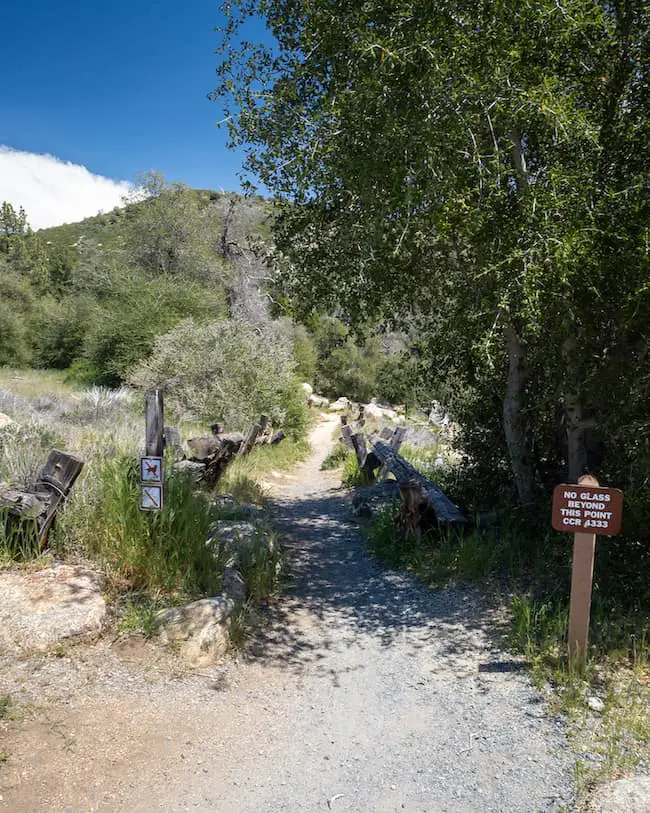
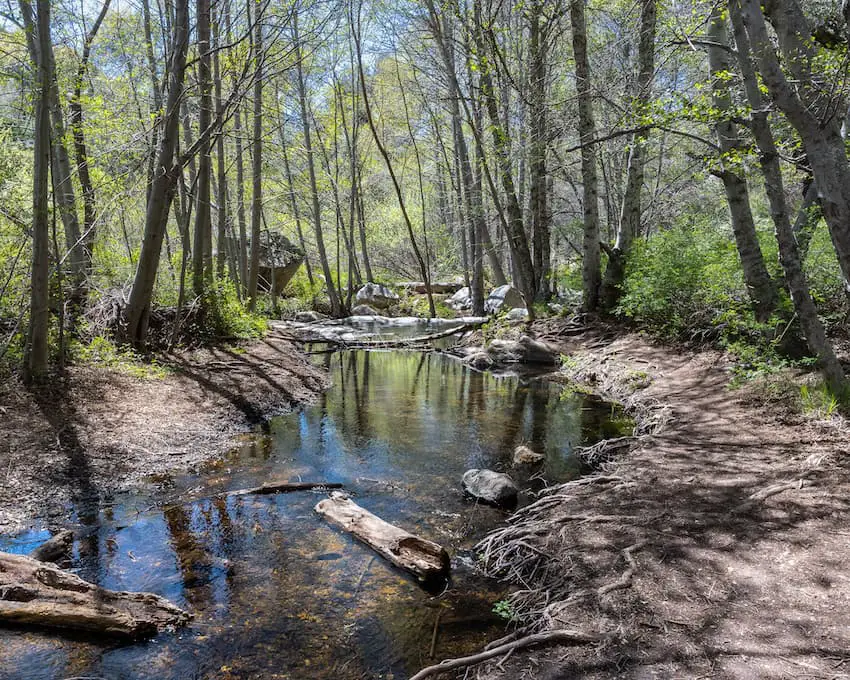
The easy hike begins on the single track shown below.

Friendly reminder: no dogs are allowed on the trail. I have a feeling our canine friends have been banned due to the cougar sightings in the park.

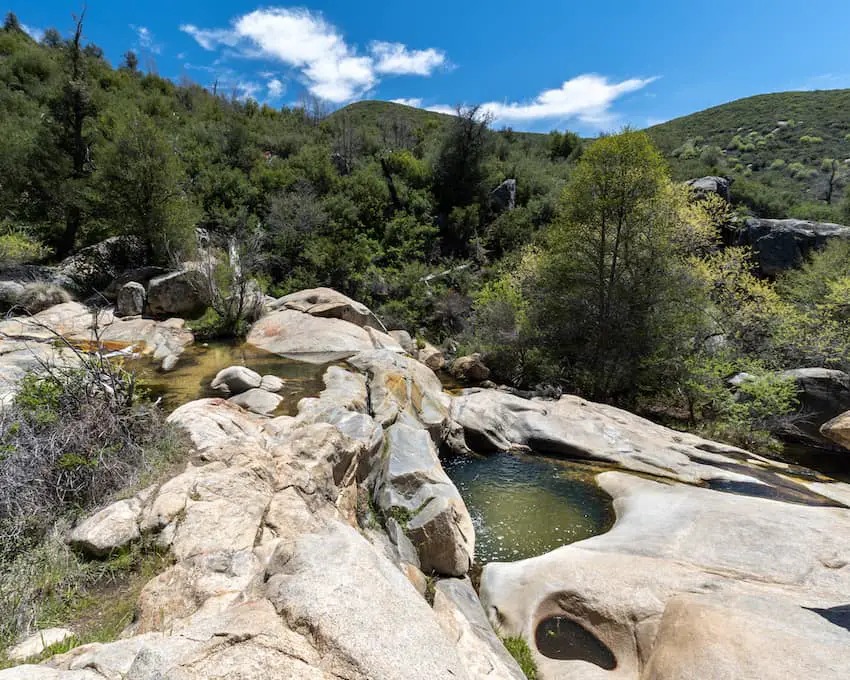
The trail quickly descends onto the canyon floor where you’ll have to decide wether to keep heading downstream towards Lower Green Valley Falls, or upstream to Upper Green Valley Falls.

We decided to head downstream first, to the swimming holes and lower falls.

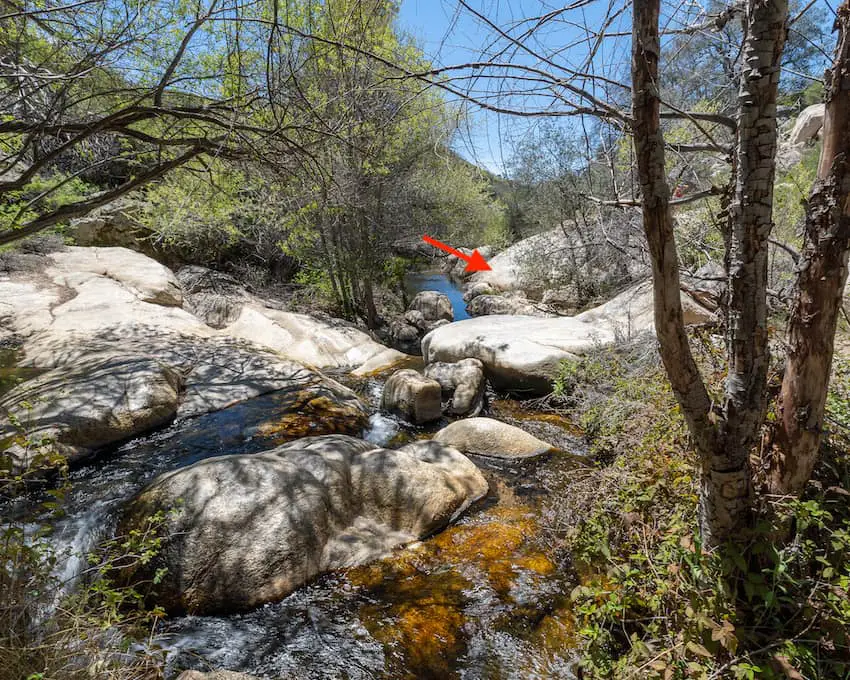
Notice the red arrow in the image below. If possible, try to climb down that boulder to be rewarded with a bit of fascinating history.

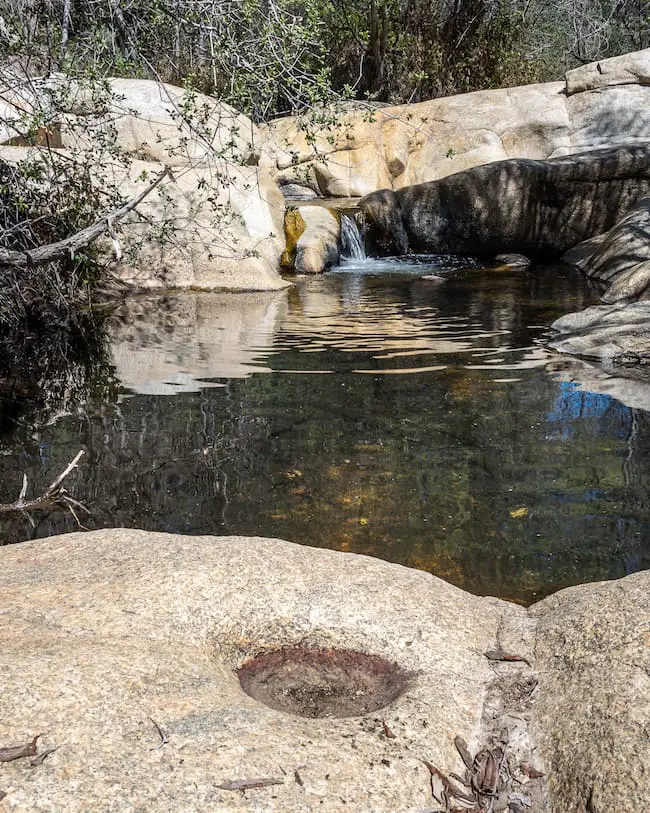
Once you get to the bottom, look for a hole in the ground called a mortero. The natives, known as the Kumeyaay, used these holes to grind their food, such as acorns, for thousands of years.

Some morteros can be as old as 9000 BC.

After exploring the mortero, you will arrive at your first destination, Lower Green Valley Falls.

The water is clean, the air is fresh, and it’s all calling your name. Not a single sign of trash or graffiti.

The large pool is safe for cliff jumping, but I wouldn’t recommend diving in head first.

Read More: Cuyamaca Peak: San Diego Winter Wonderland

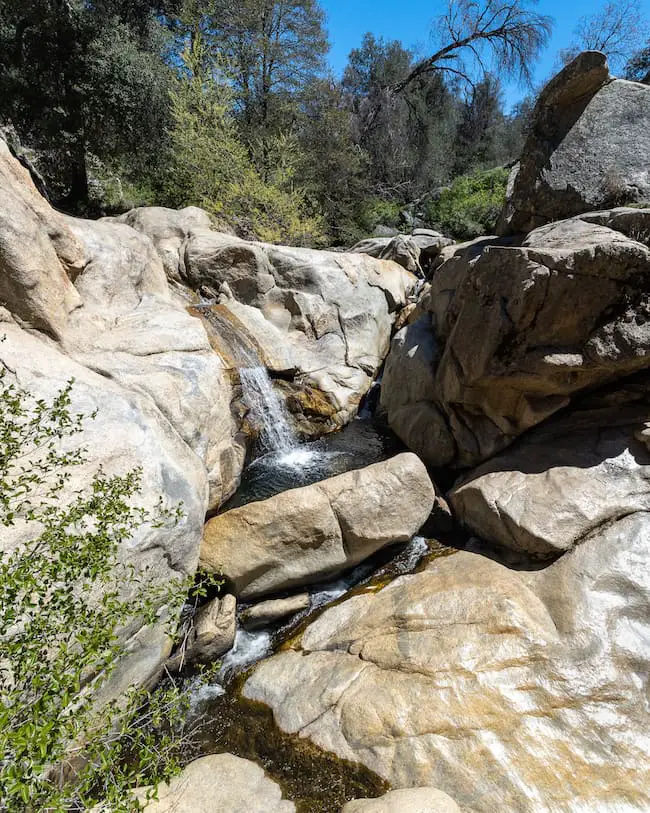
The image below is the bottom tier of Lower Green Valley Falls.

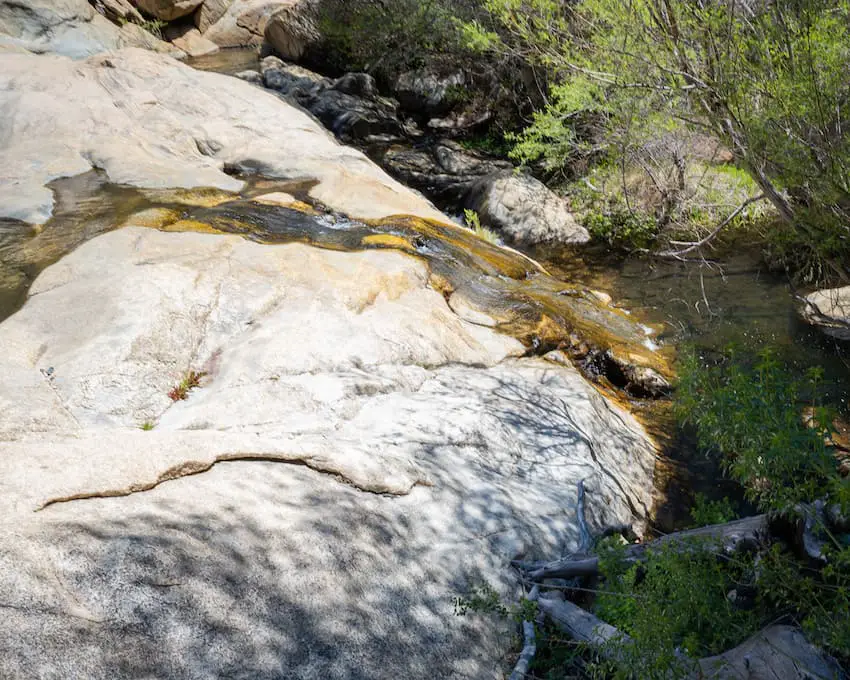
The adventure is barely commencing. You can now make your way back to Upper Green Valley Falls. Simply follow the creek upstream.

It literally only takes about 10 minutes to get from the lower to upper falls.

The cascades at the upper falls are a bit more impressive, but they require some boulder scrambling to get up close.

To get to the top of the waterfall, head back the way you came and hop onto the single track again, as if you were returning to your car.

Read More: Super Fun Slot Canyon Hike in San Diego

Keep an eye out for a path that veers around toward the top of the falls.

The area up top is virtually all stone, and can easily be explored.

Expect completely different angles, with running water in the foreground and tall pine trees creating the perfect backdrop.

Want to explore another place similar to this one in San Diego? Check out these other natural pools and waterfall!

Frequently Asked Questions

Is the water level decent year round?

The water levels vary year round, with spring and early summer months having chest-high water and fall and winter months having low water levels.

Can I rent a cabin at the Green Valley Falls Campground?

No, you can’t rent a cabin on Green Valley Falls Campground.

What is the Green Valley Falls website?

All up-to-date information on Green Valley Falls trail and campground can be found on California Department of Parks & Recreation wesbite.

For information on Green Valley Falls trail and campground check out www.parks.ca.gov/?page_id=667.

Can you swim at Green Valley Falls?

Yes, you can swim in the waterholes at Green Valley Falls.

Is Green Valley Falls dog friendly?

Dogs are allowed at the Green Valley Campground as long as they are leashed. They are not permitted on the trails.

Is Green Valley Falls open?

The Green Valley Falls trail is open year round unless deemed otherwise. However, Green Valley Campground is open from December 1 – March 31.

Topanga Time Tunnel: Transport to a Secret Paradise

Topanga Time Tunnel: Transport to a Secret Paradise

Distance 

~1 Mile

Time

45 Min

Difficulty 

Moderate

Season

All Year

Elevation Gain

187 Ft

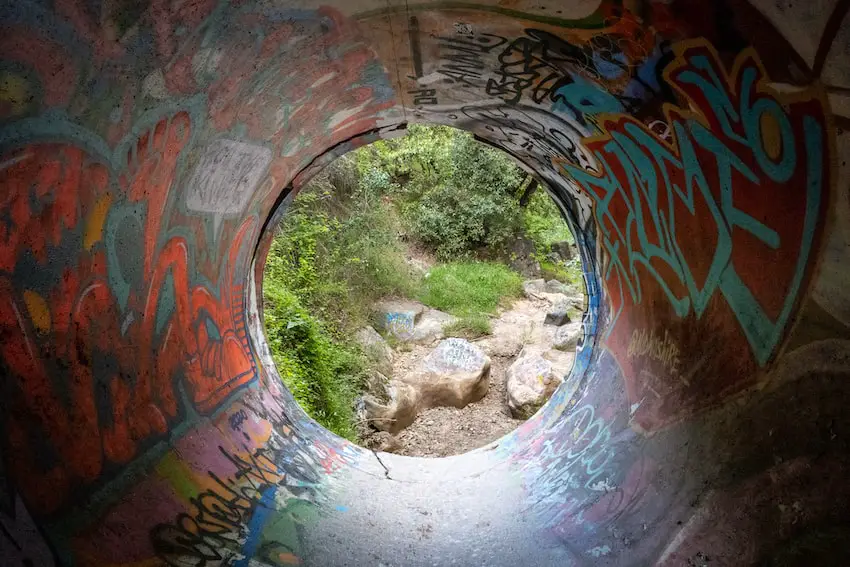
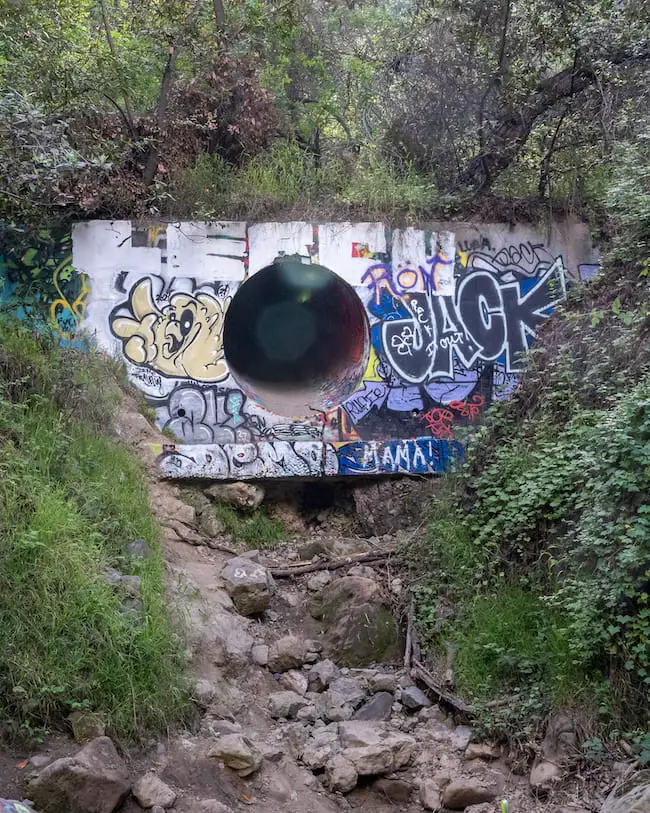
Deep in the Santa Monica Mountains, a secret storm drain referred to by the locals as the Topanga Time Tunnel, provides access to a secret 8 foot grotto, insane looking rock formations, and various large waterholes. 

The Topanga Time Tunnel is a short 1 mile hike located in a beautiful mountain community known as Topanga. The virtually nonexistent trail, which requires boulder scrambling and multiple creek crossings, is less than ideal for beginners. 

Topanga Time Tunnel Quick Reference Guide

  • Take long sleeves and pants as poison oak is abundant 
  • Don’t go alone, or tell someone where you’re going. The area is very secluded. 
  • This hike requires boulder scrambling and climbing over fallen trees. 
  • For best views, visit in the morning, when the sunlight illuminates the canyon
  • Unless there’s been heavy rainfall, your feet will not get wet. 

Map of Topanga Time Tunnel

powered by Advanced iFrame

Download Printable PDF Map

Directions & Parking 

There is no designated parking for this hike. However, a turnout, which can fit two cars, is available across the street from the tunnel. 

Get directions to the turnout by clicking HERE

Click HERE to view the exact location of the turnout in 1st person. The trailhead is located just right up the street (westward) on the left side of the road where the railing is located. Look for a little dirt trail that leads down to the tunnel. The tunnel should be visible almost immediately after descending the trail.   

If the turnout isn’t available, you can find free parking further up the road between Jalan Jalan Imports and Fernwood Market. 

Looking for more LA county hikes? Checkout these posts!

Hiking The Topanga Time Tunnel

Depending on where you parked, getting to the tunnel requires carefully avoiding traffic as you may have to cross the street or hug the canyon wall as cars pass you by. 

Hop over the guardrail located 20 ft down from the “slippery when wet” sign  as soon as possible and make your way down the dirt trail where the tunnel will become immediately visible. 

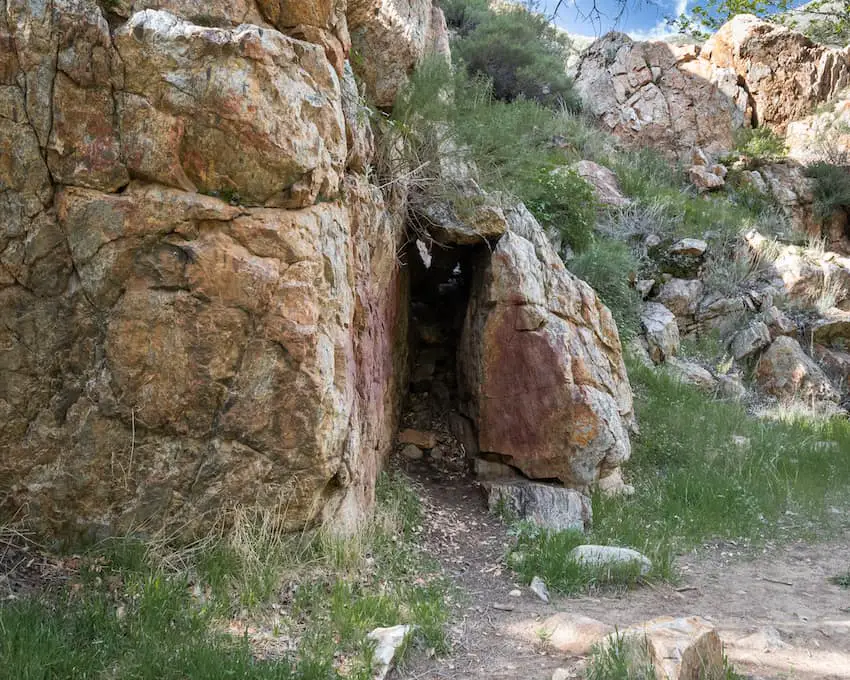
topanga time tunnel

Make your way inside and head right after coming out of the other end. 

Get ready to be transported into a beautiful green paradise hidden by a dense forest canopy. 

An abundance of springs are located on both sides of Lower Topanga Creek, which explains why the canyon has plenty of water in the summer and multiple swimming holes. 

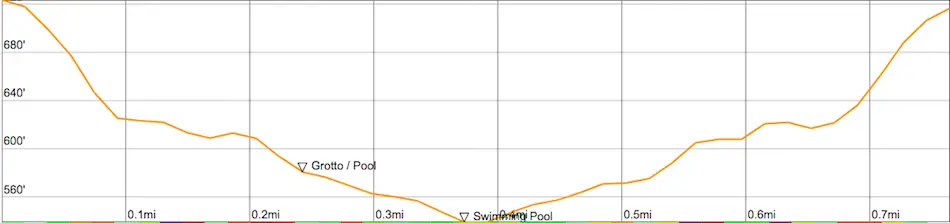
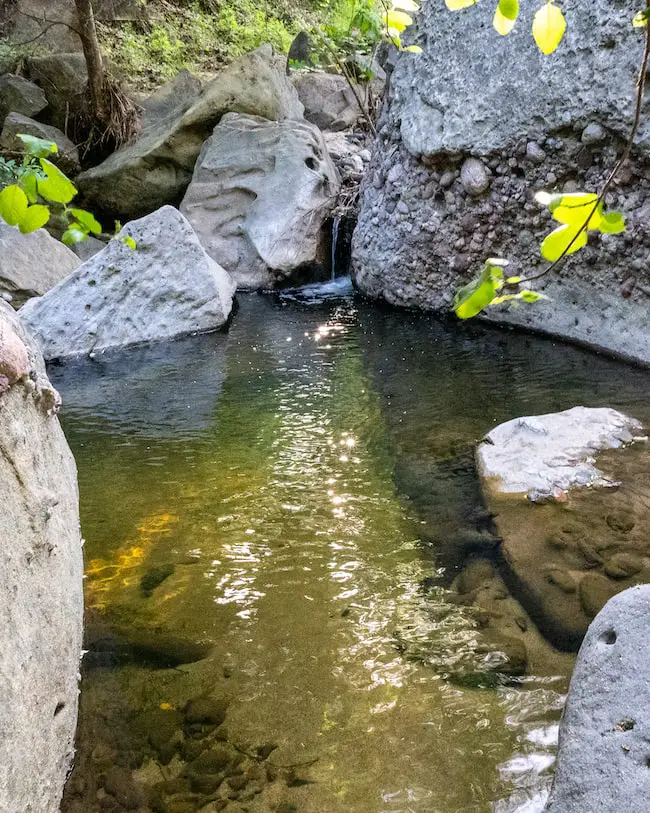
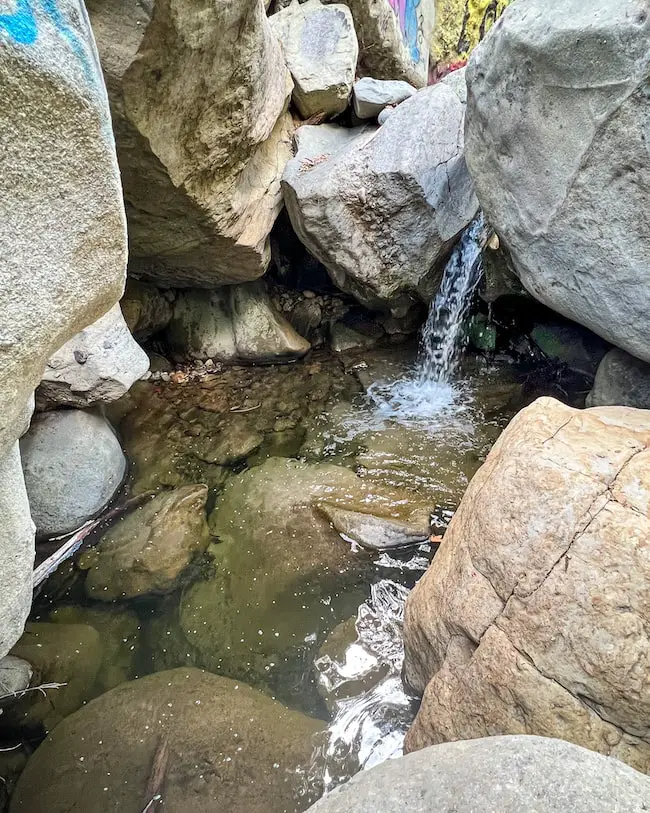
Within a few minutes, you will arrive at a tiny waterfall with a four foot glistening pool. The waterhole is fresh and crystal clear. 

Shortly thereafter, you’ll arrive at another beautiful waterhole. However, this pool boasts an 8 foot grotto (the largest cascade on the hike). 

The waterhole is also about 4 feet deep, and is completely surrounded by massive boulders. 

Read More: Vanalden Caves in The Santa Monica Mountains

If you look downstream from the grotto, you’ll notice ropes high up in the trees. The ropes were used for a swing many years ago. Unfortunately for us, the swing is no longer there. 

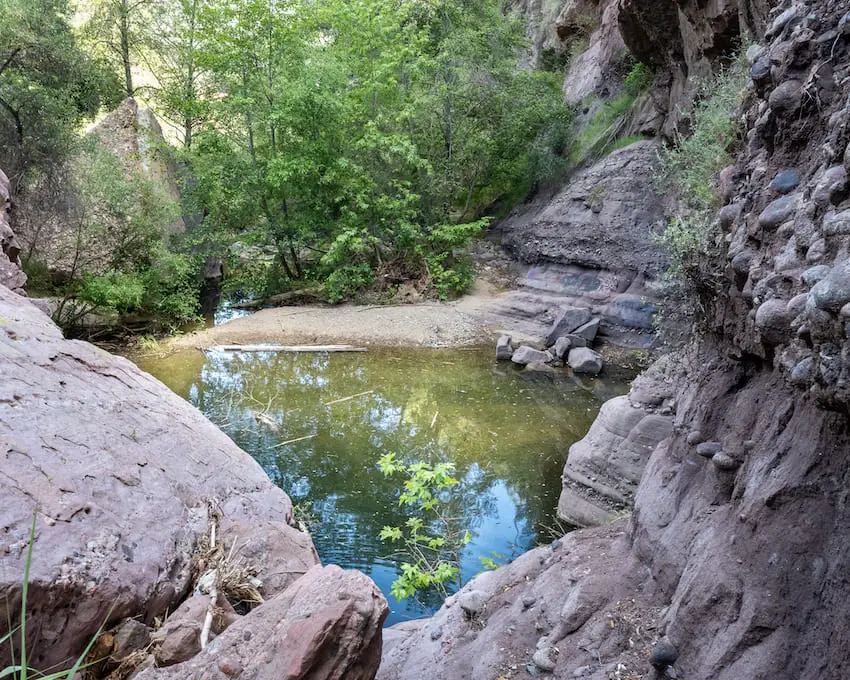
The creek widens as you make your way downstream and creates more waterholes. 

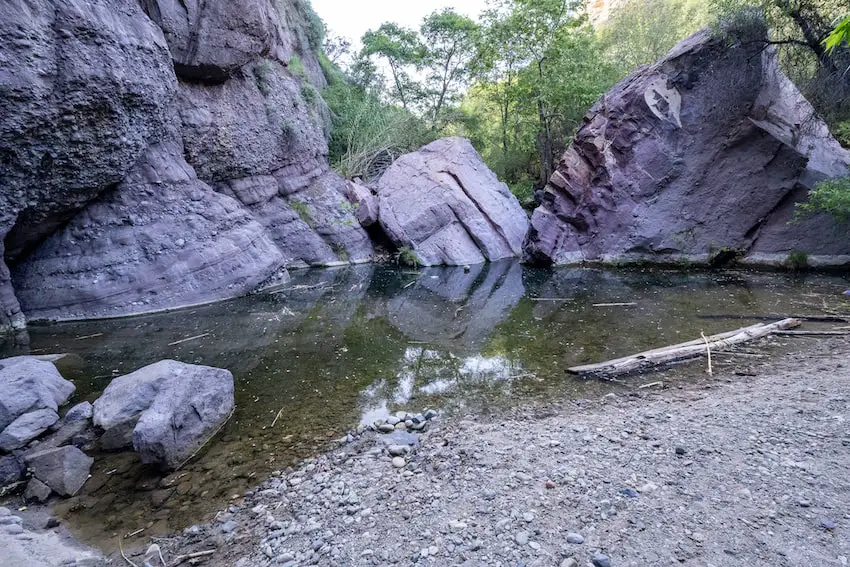
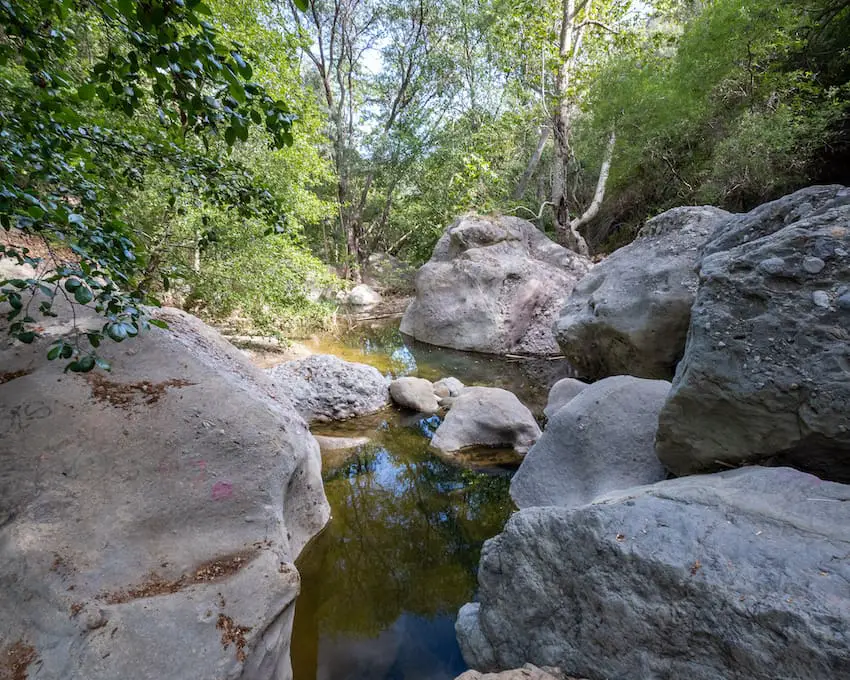
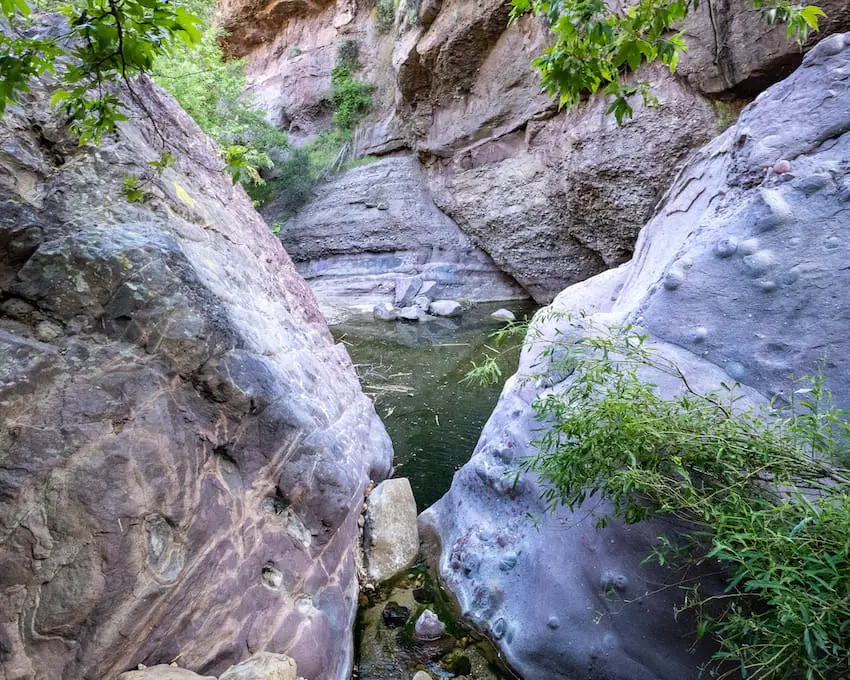
Notice how the boulders are subtly transforming into a slight purple color. 

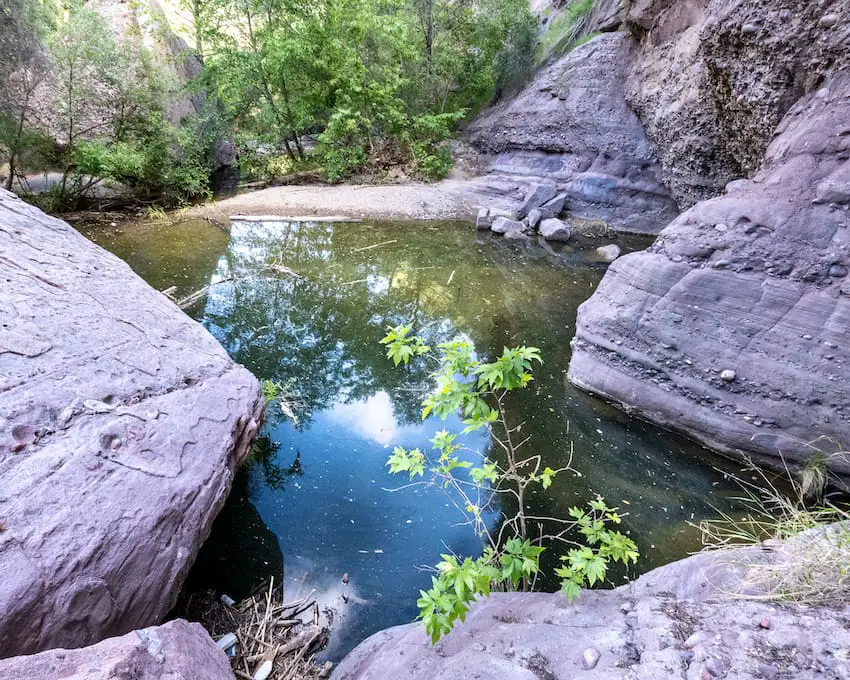
The creek squeezes its way between two enormous boulders and empties into a large waterhole. 

You have arrived at the biggest swimming hole. 

Read More: Murphy Ranch: Abandoned Nazi Ruins in Santa Monica Mountains

You can venture onto the right side of the creek before it empties into the swimming hole to get a good view from upstream. 

The pool is deep, about 6-8 feet, and the surrounding rocks are now fully purple. 

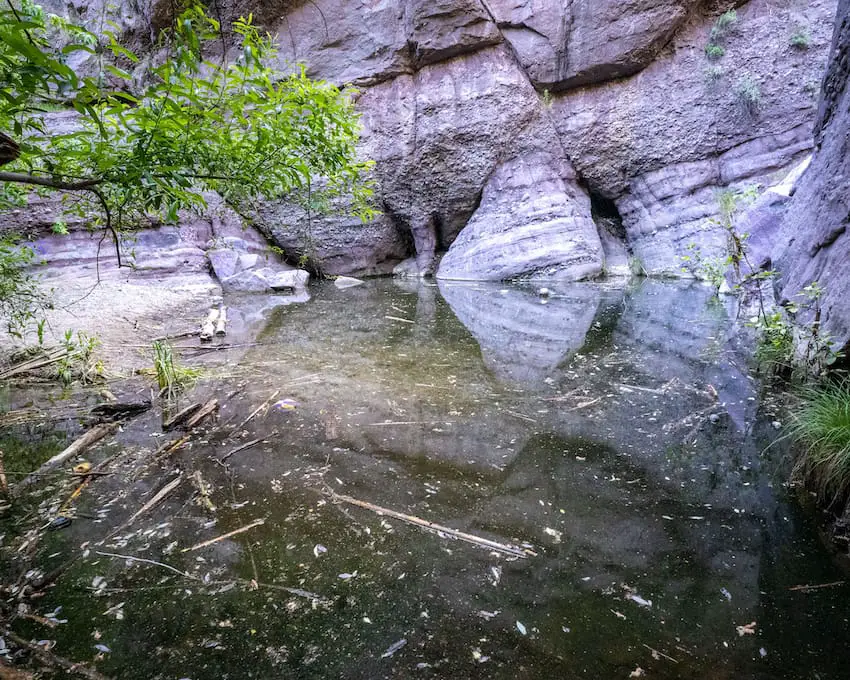
Head back towards the creek to make your way to the front of the waterhole. The pool becomes pretty cluttered with debris on the opposite side of the canyon wall. 

Read More: Big Falls: 500ft Waterfall in San Bernardino 

Last but not least, head over to frontside of the waterhole where the little beach area is located. In case you’re wondering, yes people do swim here. 

I highly recommend visiting in the morning when the sun lights up the swimming hole. 


Apparently, when we got home we realized there’s an additional large pool just a few minutes downstream from the swimming hole shown above. 

It’s not as big, but it looks just as deep. The hike is 1 mile roundtrip if you include the 2nd large waterhole. I highly recommend checking it out! 

Once you’re done, head back the way you came and into the portal we’ve come to know as the Topanga Time Tunnel. 

Read More: Best Hikes in Southern California; Falls, Ruins, Peaks

Top of The World Hike At Laguna Beach: 2024 Guide

Top of The World Hike At Laguna Beach: 2024 Guide

Distance 

2.2 Miles

Time

~1.5 Hrs

Difficulty 

Moderate

Season

All Year

Elevation Gain

862 Ft

One of the most popular hikes in the beautiful and breezy city of Laguna Beach is definitely the Top of the World hike. It’s a nice and easy trail to the top with amazing views of the ocean, large mansions, and hills. After, you can head to the main beach for some fun!

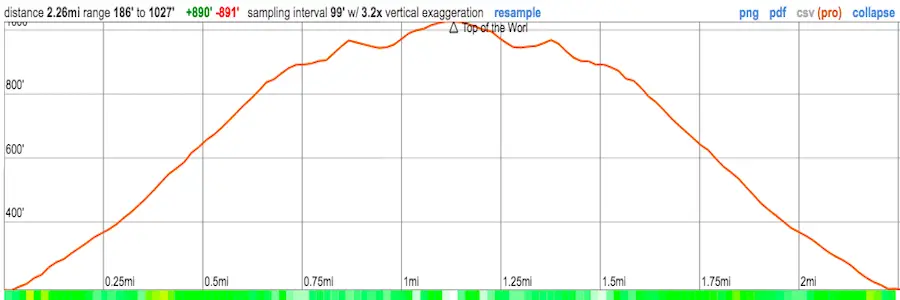
Top of the World hike is a moderately difficult, 2.2-mile trail located in Laguna Beach within the Aliso and Wood Canyon Wilderness Park. The total elevation is 1,207 feet, with an elevation gain of about 862 feet. There is limited parking near the trailhead. This is a dog-friendly and family-friendly hike.

Click the following link to view the best hikes in Laguna Beach

Map of Top of the World Trail

powered by Advanced iFrame


Directions & Parking

For directions to the trailhead and parking area, click here.

I took the CA-133 S to Laguna Beach until I reached Canyon Acres Drive. I followed this all the way, eventually reaching a dead end.

There’s no actual parking lot for this trail, so I parked right by the trailhead on a small dirt road. It only fits about 3 cars.

You’ll see two dirt roads, the left and right. Take the left, which is also where a very small slope-style jump line for bikes is.

Hiking To The Top Of The World

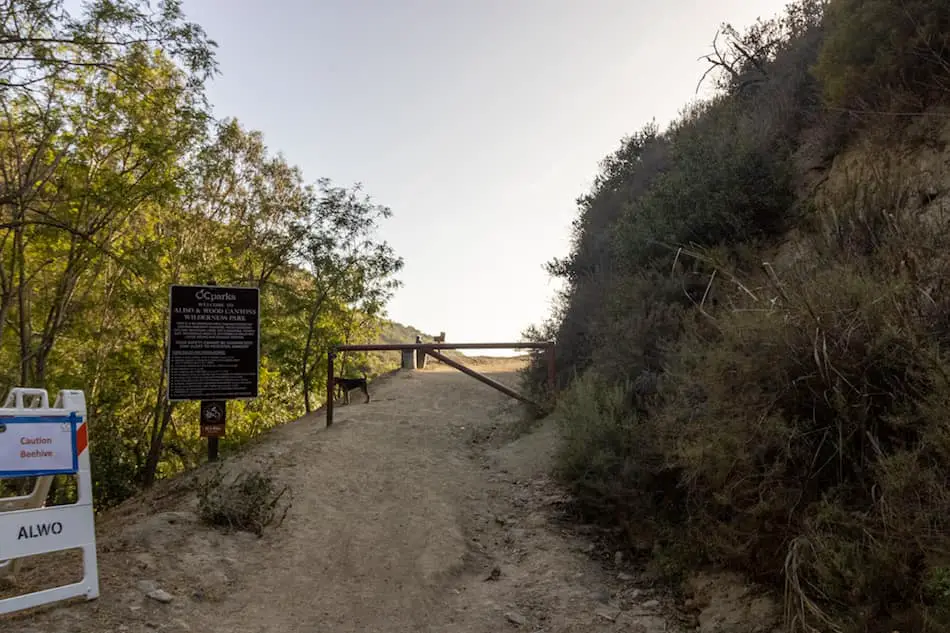
The hike continues behind the gate shown in the image below.

I came on a beautiful Thursday evening and enjoyed how peaceful it was. There was hardly anyone here.

(Do you spot the furry friend?)

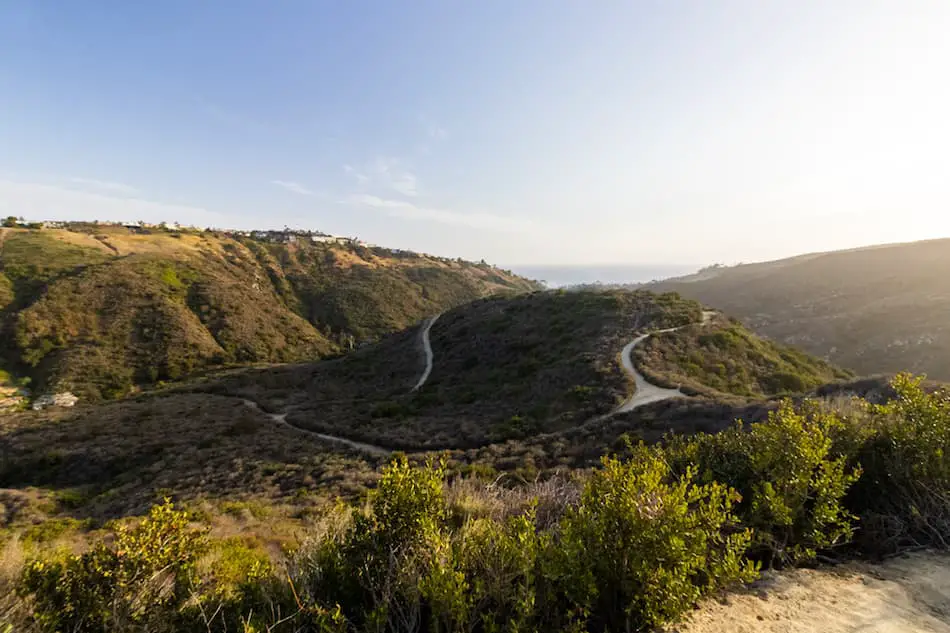
Only about 1/3rd of the way, there’s an amazing view of the hills and city in the distance. I had to stop and take a look!

Most of the trail is really nice and wide. There are also lots of mountain bikers on this trail, so you’ll want to be careful and aware.

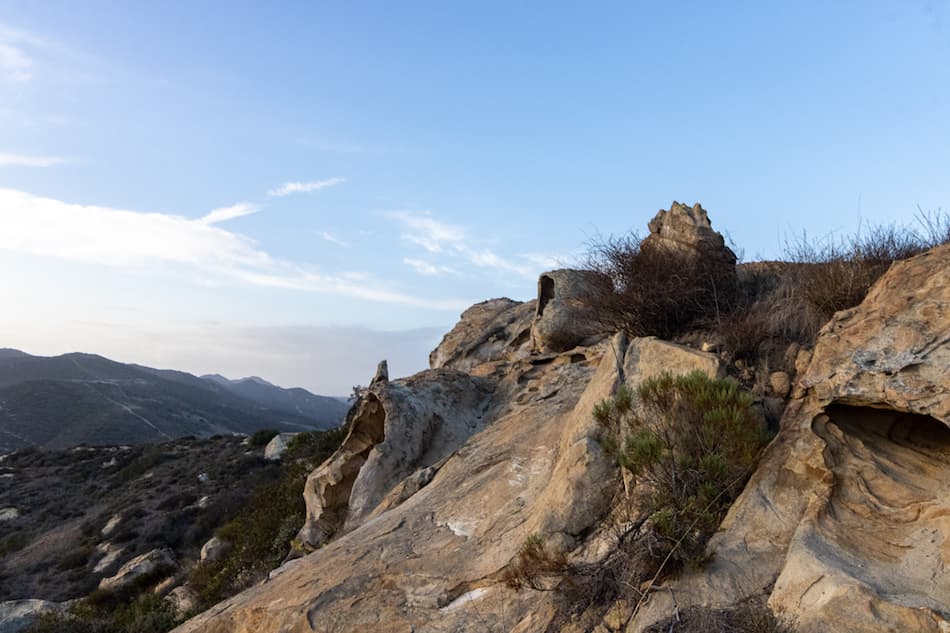
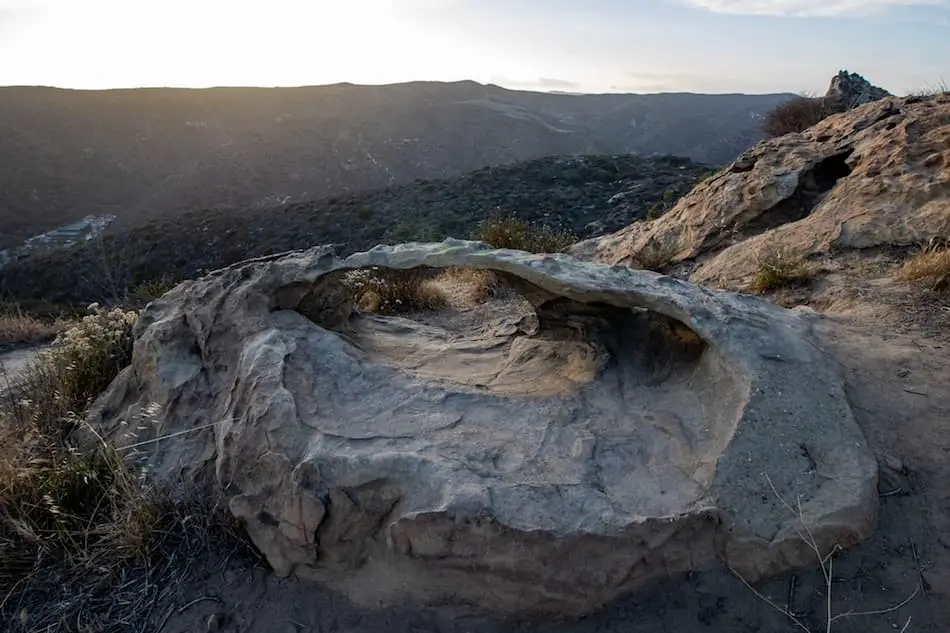
Almost to the top, I spotted these super interesting, cave-like boulders. They look like they could be perfect little hideouts for animals.

To view an actual cave in Laguna Beach, check out this post: Dripping Cave Trail

Here’s a closer look at one of these.

Further up from these “caves”, the dirt road splits. Make sure you take the right, which leads all the way up.

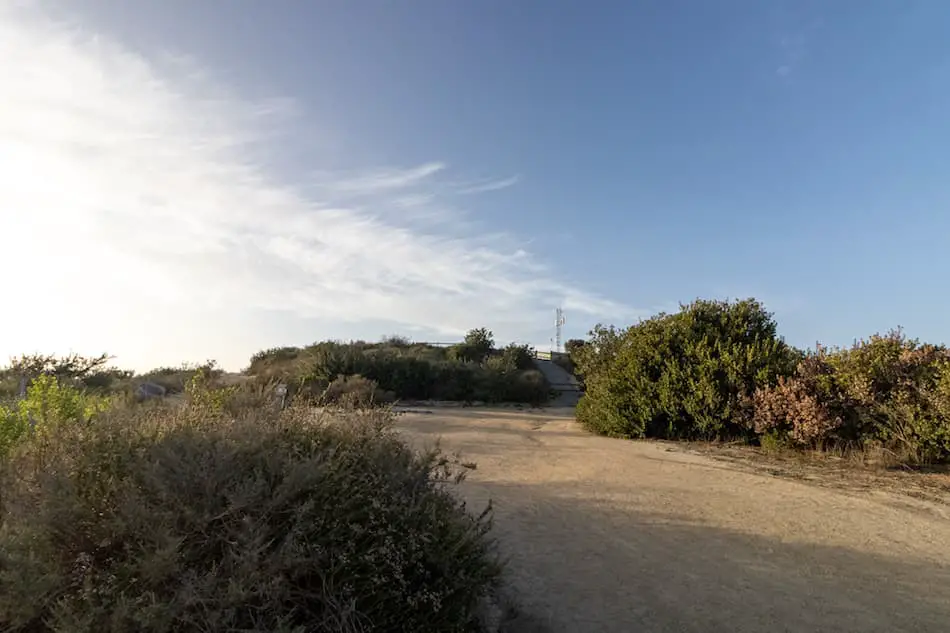
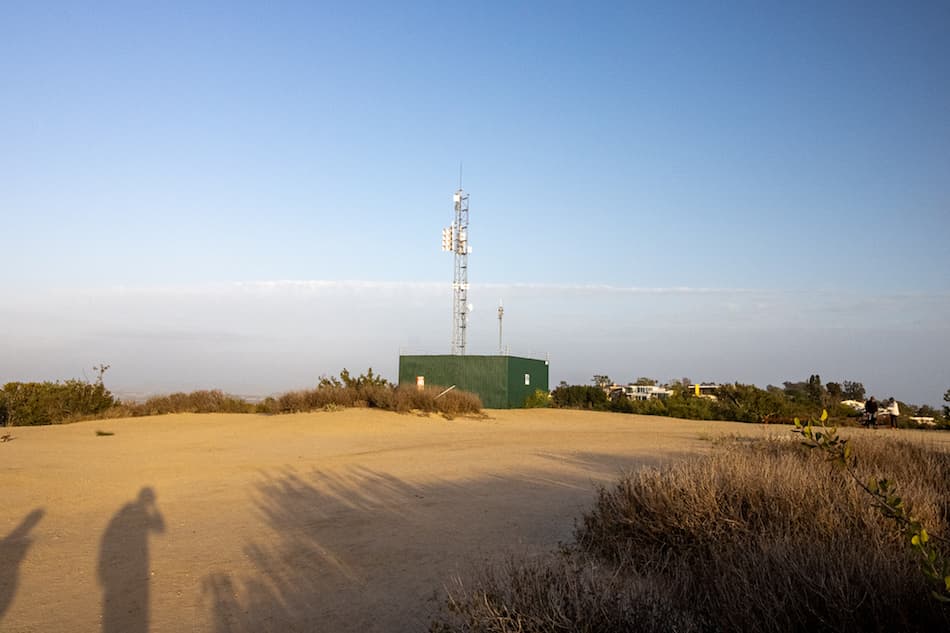
From this point, I was basically at the top. I could spot the antenna!

This is the marker indicating I had made it.

It was a breezy and sunny clear day, which called for epic views!

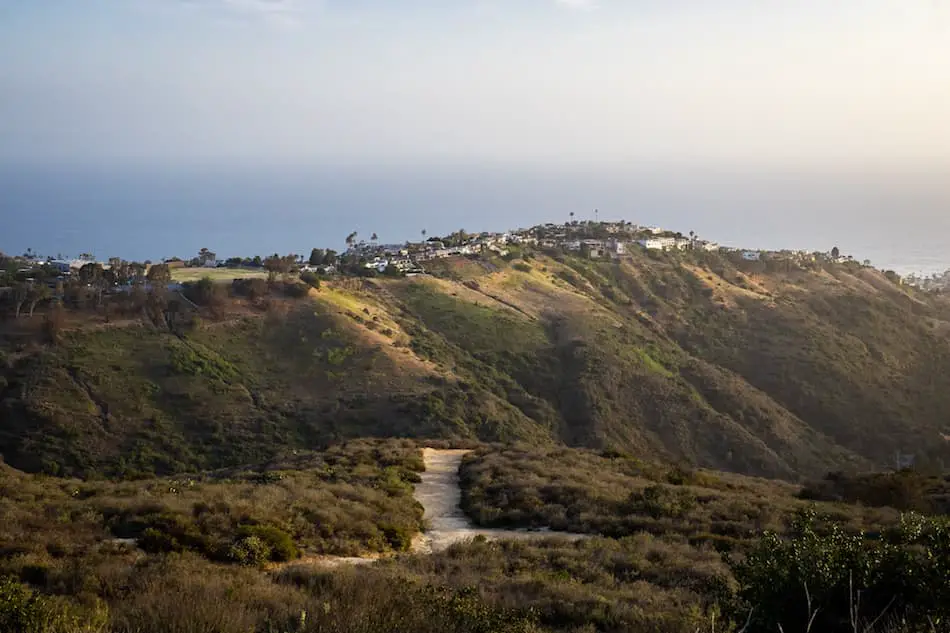
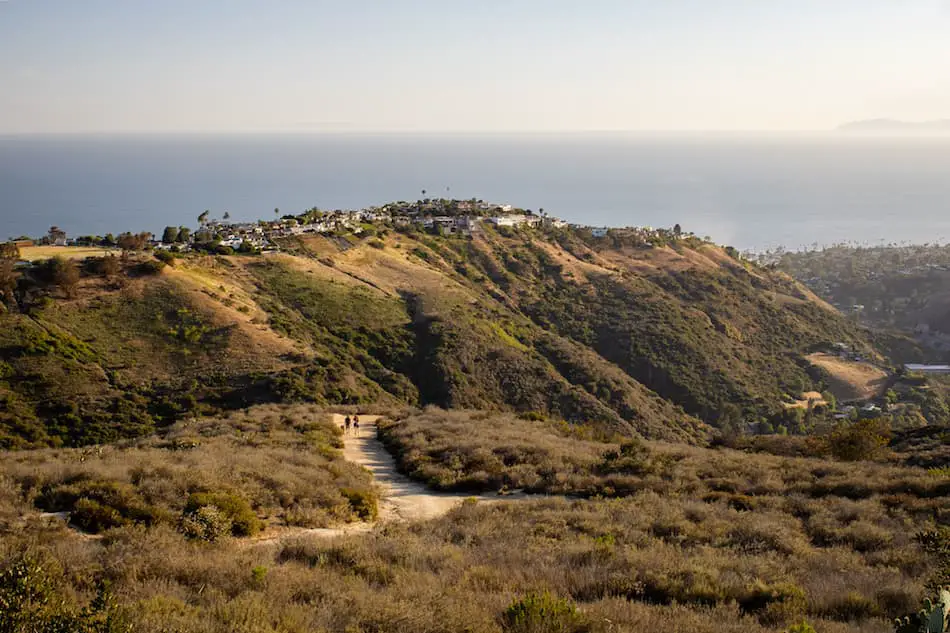
Here’s an amazing shot of the mansions perched upon the hills, the ocean in the distance, and the downtown area to the far right.

Check out this other hike in Laguna Beach! Car Wreck Trail

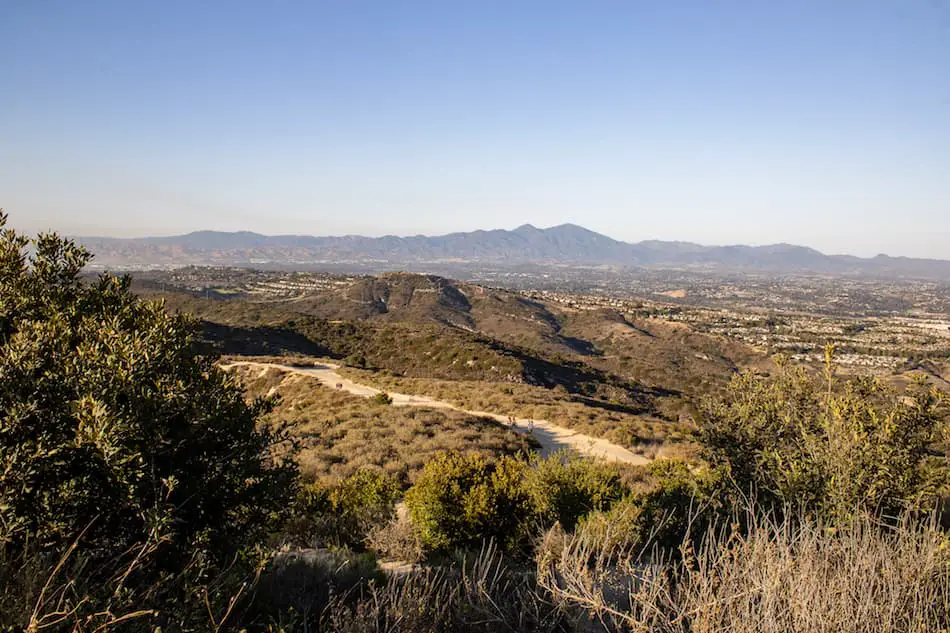
The two humps you see are known as Old Saddleback which consists of the two highest peaks in the Santa Ana Mountains, Santiago (the highest) and Modjeska. 

There’s still so much to explore.

This is a great hike that lets you explore Orange County’s beauty and adventure. It’s a short and sweet hike with gorgeous views.

Stay tuned for more Orange County hikes!

26 Best Hikes in Southern California: Caves & 500 Ft Falls

Looking for abandoned creepy places, breathtaking views, and stunning waterfalls? Say no more. I browsed through my entire site and chose the trails which I believe are the most breathtaking, jaw-dropping, hikes that’ll leave you thinking, “How is this located in Southern California,” or “How did I not know this place existed.”

Plus, I’ll provide fun facts (if applicable), detailed stats, and the best seasons to visit, so that you can make the most out of your visit. If you decide to hike one of these trails, click the link to the full post which contains more photos, a printable PDF map you can download, directions, and additional info. 

Here are SoCal’s best hikes in order from least to most amazing.

26) Mt Rubidoux: Most Popular Trail In Riverside County
Mt Rubidoux Trail

  • Total Miles: 3.13
  • Difficulty: Easy
  • Best Season: All Year
  • Elevation Gain: 551 Ft
  • Time: 60 Min
  • Dogs: Allowed On A Leash
  • Restrooms: Available At The Park
  • Map, Directions, & Full Post: Mt Rubidoux Trail

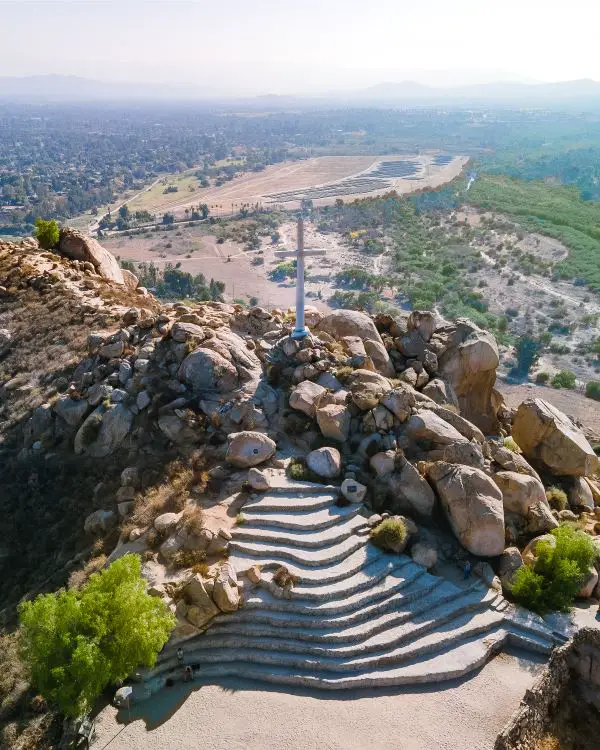
Built 116 years ago in 1907, Mt Rubidoux has gone from a local landmark to Riverside’s most highly trafficked trail, and for a good reason.

The panoramic view from the top was breathtaking. To the north I was able to see the Angeles and San Bernardino National Forests, and to the south, Old Saddleback, the two highest peaks in the Santa Ana Mts.

Fun Fact: The cross is not the only landmark on the trail. Due to its resemblance to the Rapunzel Tower, TikTokers have increased the popularity of The World Peace Bridge & Tower, a stone tower and bridge that arches over the trail. Check out the full post to see pics.

If you enjoy peak sunsets, Mt Rubidoux should be a must-do on your list.

25) Pumpkin Rock: Hikers’ Favorite Halloween Trail

Pumpkin Rock Trail

  • Total Miles: 1.69
  • Difficulty: Easy
  • Best Season: All Year
  • Elevation Gain: 458 Ft
  • Time: 45 Min
  • Dogs: Allowed On A Leash
  • Restrooms: Available At The Parking Lot
  • Map, Directions, & Full Post: Pumpkin Rock Trail

Get in season by hiking to a giant pumpkin boulder located in the western town of Norco, CA.

The easy trail takes you up through golden hills which offer amazing views of the valley and the Angeles and San Bernardino National Forests. The pumpkin is also a great place to enjoy the sunset.

Fun Fact: Although there’s graffiti in the featured image, the locals are generous enough to repaint the boulder every year before Halloween to get it ready for visitors. I just happened to visit in the summer.

Pumpkin Rock is not the only painting on the hill. There are smaller boulders with additional paintings that I believe you’ll find very intriguing.

24) Ho Chi Minh Trail: Slot Canyon, Falls, & Beach
Ho Chi Minh Trail

  • Total Miles: 0.62
  • Difficulty: Easy
  • Best Season: All Year
  • Elevation Gain: 278 Ft
  • Time: 20 Min
  • Dogs: Not Allowed
  • Restrooms: Not Available
  • Map, Directions, & Full Post: Ho Chi Minh Trail

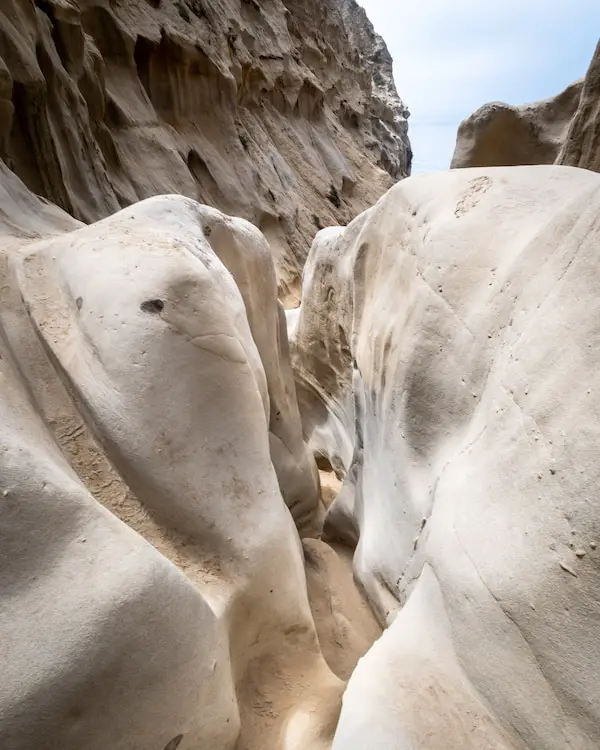
The Ho Chi Minh Trail may be the most unique trail in all of Southern California because although it’s only 0.62 miles long, it features a slot canyon, waterfall, and the trail ends right on the beach.

I’ve hiked for virtually my entire life, and can’t think of another trail that has all three features.

Fun Fact: There are TWO slot canyons, but the less visited slot canyon (which you’ll get to first on the trail) requires climbing down into it. If you can do so, it’s worth it. Head over to the full post to view the less trafficked slot canyon.

After walking through the main slot canyon, I ended up on a narrow and slippery trail that runs adjacent to the beach. However, to get down to the beach itself, I had to use a rope left behind by the locals to help me descend a very steep and slippery slope.

Once at the bottom, I quickly headed to the 12-15 foot waterfall which flowed over the canyon mouth and into the ocean.

23) Bonita Falls: 2nd Largest Waterfall In SoCal
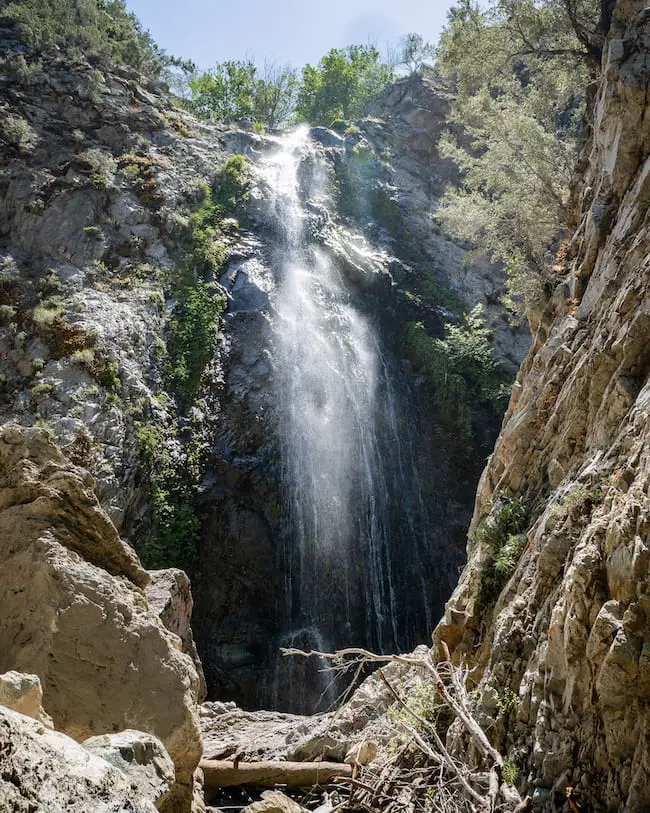
Bonita Falls

  • Total Miles: 1.28
  • Difficulty: Easy
  • Best Season: Spring
  • Elevation Gain: 443 Ft
  • Time: 45 Min
  • Dogs: Allowed On A Leash
  • Restrooms: Available At The Campground
  • Map, Directions, & Full Post: Bonita Falls Trail

At 495 feet, Bonita Falls is only 5 feet smaller than the largest waterfall, Big Falls (mentioned later in this post). However, it’s still worth a visit.

The bottom tier, which measures about 100 feet, is the only tier that can be seen from the canyon floor, and climbing up to the top tiers is not recommended, as it’s extremely dangerous.

To get to the falls, I trekked through the dry riverbed of Lytle Creek’s South Fork, then ventured into a tributary where the scenery immediately changed.

The landscape transformed from a dry riverbed with small boulders littered throughout, to a luscious green environment filled with wildlife. Poison oak is present so keep an eye out.

Unfortunately, Bonita Falls has become one of the worst trashed trails in SoCal. If you visit, please remember to pack out what you pack in. Also, make sure not to leave any valuable belongings in your car while you hike, as people have been known to break into cars.

Hence, I recommend parking at the campground. $10 can save you from a broken window.

Fun Fact: The middle and top tiers have rarely been seen, but I managed to get a few shots with my drone. Check out the full post to see what they look like.

22) Millard Canyon Falls: Paradise In Altadena (Closed)
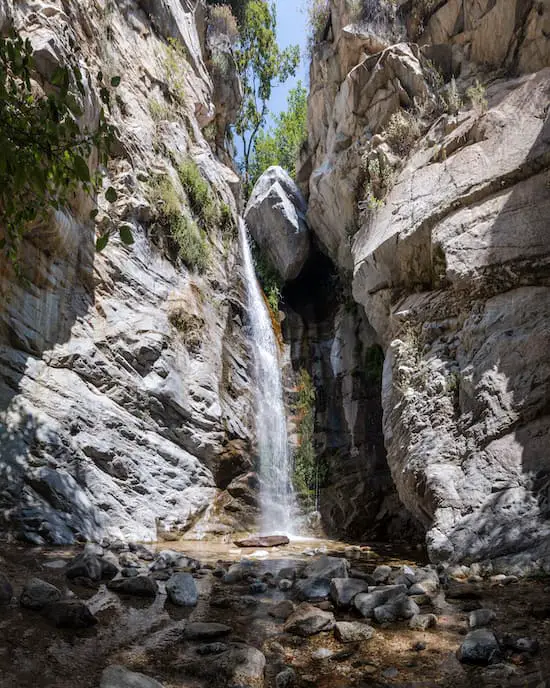
Millard Canyon Falls

  • Total Miles: 1.3
  • Difficulty: Easy
  • Best Season: Spring – Summer
  • Elevation Gain: 308 Ft
  • Time: 45 Min
  • Dogs: Allowed On A Leash
  • Restrooms: Available At The Campground
  • Map, Directions, & Full Post: Millard Canyon Falls

Want to quickly hike a trail with a large waterfall and dense vegetation without traveling deep in the mountains? This trail is right for you.

Located in the foothills of Altadena, Millard Falls is a must-do for hikers of all skill levels. The majority of the trail is shaded by the White Alders and Western Sycamores that adorn the narrow canyon.

Although there are multiple creek crossings, they’re small and shallow, allowing for people with poor balance to easily get across.

A unique feature of Millard Falls is its white marble-like stone, which contrasts with the vibrant green moss. This trail gets very busy, so be sure to arrive extra early on weekends.

Fun Fact: There’s a hidden trail on the east side of the canyon near the falls which leads to the top of the waterfall. It’s steep and sketchy, so if you’re not comfortable with heights I suggest taking a pass on this one.

21) Old LA Zoo: Relics From The Past
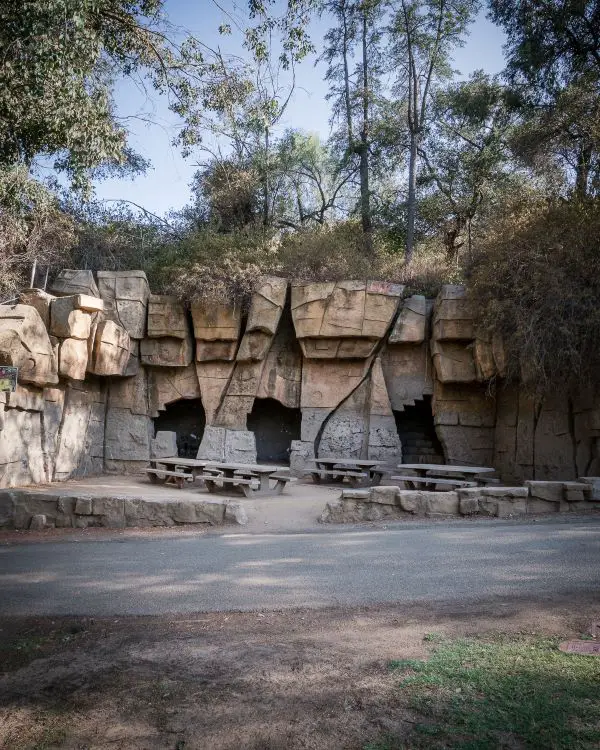
Old LA Zoo

  • Total Miles: 2.63
  • Difficulty: Easy
  • Best Season: All Year
  • Elevation Gain: 374 Ft
  • Time: 60 Min
  • Dogs: Allowed On A Leash
  • Restrooms: Available At The Merry Go Round
  • Map, Directions, & Full Post: Old LA Zoo

Griffith Park is home to century-old memories which have been largely forgotten by the new generations. The LA Zoo that is operating today is not the city’s original zoo.

Bears were once housed in structures like the one you see in the image above, a space much too small and inhumane for such large animals. Although the Old LA Zoo closed down in 1966, many of the structures are still there and can be visited via a short hike through the hills.

The structures are located in an area of Griffith Park that gets lots of visitors during the day, making it safe for hikers.

Fun Fact: Some say the abandoned zoo is haunted, but I’ll let you decide after your visit.

20) Kitchen Creek Falls: Swimming Holes & Secret Falls
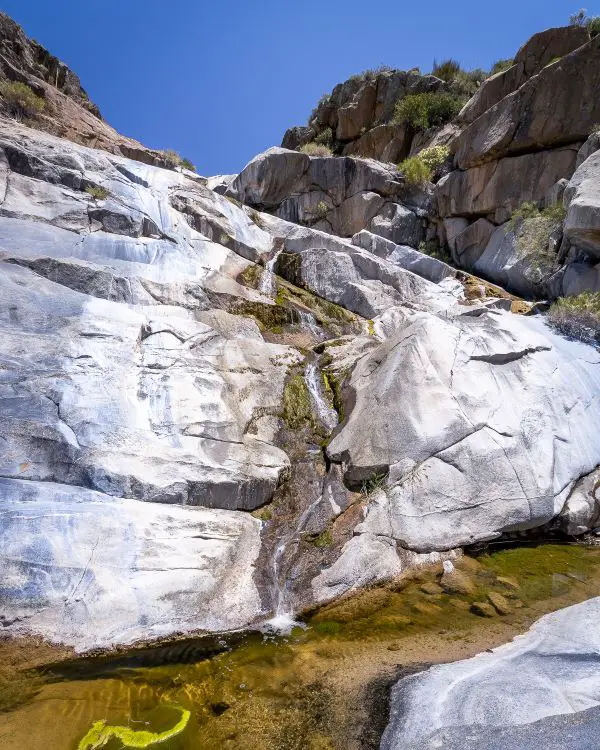
Kitchen Creek Falls

  • Total Miles: 4.84
  • Difficulty: Moderate
  • Best Season: Spring – Summer
  • Elevation Gain: 956 Ft
  • Time: 60 Min
  • Dogs: Allowed On A Leash
  • Restrooms: Not Available
  • Map, Directions, & Full Post: Kitchen Creek Falls

Kitchen Creek Falls is a real treat for hikers. The trail isn’t anything special, but the destination sure is.

Kitchen Creek is located in a sunny canyon. Multiple swimming pools glistened in the sun, and I wasted no time jumping in. Due to the intense heat, the water felt amazing, and not at all cold.

The pools are only about three feet deep, but that’s enough for a floaty.

Fun Fact: Most people don’t know about the falls! If you want to learn how to get down to the base of the hidden waterfall, check out the full post!

I do NOT recommend climbing down to the base of the falls for those who are novice hikers, as it’s challenging and dangerous.

The waterfall was breathtaking to say the least. I was not expecting a 50-foot waterfall in that area, but that’s San Diego County for you.

19) Lewis Falls Plus 2nd Falls No One Knows About
Lewis Falls

  • Total Miles: 0.73
  • Difficulty: Easy
  • Best Season: Spring – Summer
  • Elevation Gain: 328 Ft
  • Time: 35 Min
  • Dogs: Allowed On A Leash
  • Restrooms: Not Available
  • Map, Directions, & Full Post: Lewis Falls Via Soldier Creek

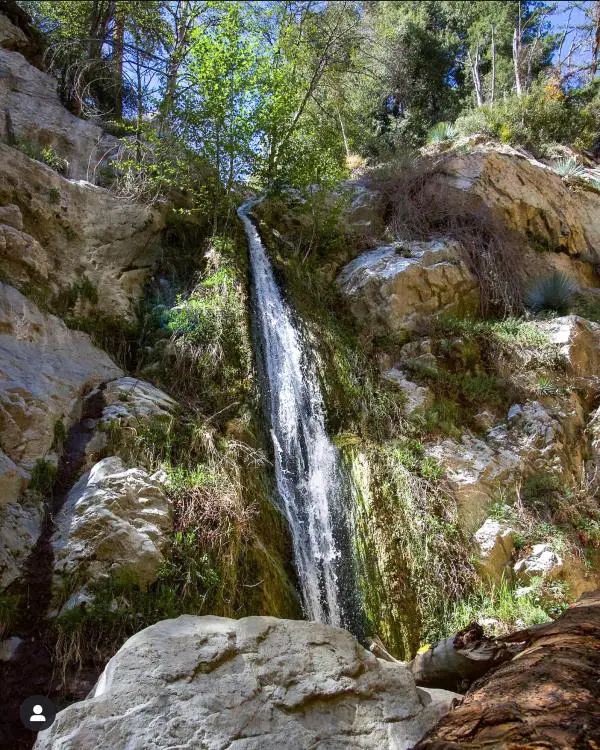
This trail is a must-do for all hikers. The luscious greenery makes it very scenic and shaded. The beautiful 50-foot waterfall is located in the North Fork of the San Gabriel Canyon, just a few minutes before arriving at Crystal Lake.

Fun Fact: There’s a smaller waterfall about halfway into the hike! It requires a bit of climbing, but if you like an adventure it’s worth it. Check out the full post to learn how to get to the hidden waterfall.

Additionally, while most waterfalls dry up during the summer, Lewis Falls flows almost year-round!

Expect a few creek crossings, maybe a rattlesnake, and a great time. Parking is very limited for this hike, so be sure to arrive extra early.

18) Murphy Ranch: Abandoned Nazi Ruins (Closed)
Murphy Ranch Trail

  • Total Miles: 2.26
  • Difficulty: Easy
  • Best Season: All Year
  • Elevation Gain: 615 Ft
  • Time: 45 Min
  • Dogs: Allowed On A Leash
  • Restrooms: Not Available
  • Map, Directions, & Full Post: Murphy Ranch Trail

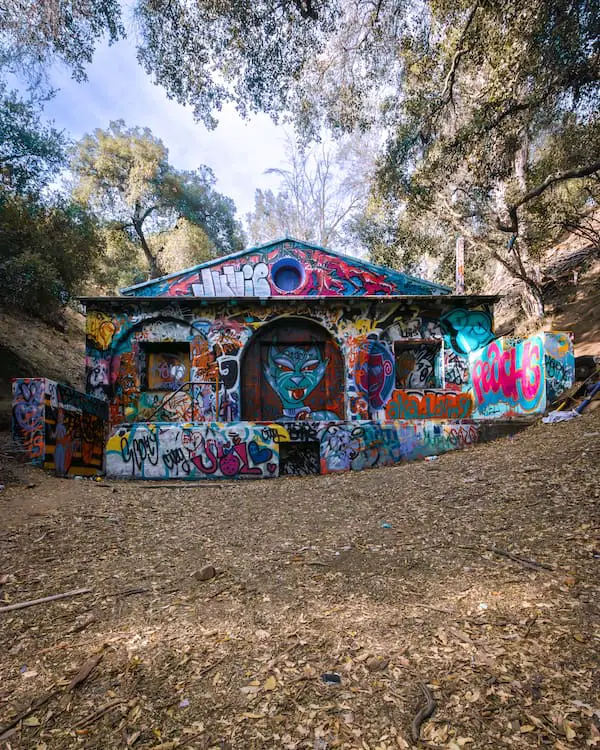
Deep in the Santa Monica Mountains, under the cover of the forest canopy, eerie Nazi ruins are waiting to be explored by the next adventurous hiker. 

During World War 2, a couple by the name of  Winona and Norman Stephens were fully convinced Hitler would win the war. Therefore, they purchased a ranch under the pseudonym, Murphy. 

Their goal was to build a self-sustaining ranch, which explains the powerhouse and water tank on the premises. Fortunately for us, they were horribly wrong and the ruins have now become another interesting hiking destination.

Most of the entrances to the inside of the structures have been blocked, but the outside can still be explored. 

To get to the ruins, you can take the more gradual paved road or the brutally inclined 524 concrete steps that lead straight down the canyon wall.

When it comes to hikes involving mountain ruins, don’t hesitate too long to check them out, as many of them are completely demolished, regardless of the hike’s popularity. 

17) Heart Rock Trail: Winter Wonderland At The Falls
Heart Rock Trail

  • Total Miles: 1.87
  • Difficulty: Easy
  • Best Season: Spring
  • Elevation Gain: 392 Ft
  • Time: 45 Min
  • Dogs: Allowed On A Leash
  • Restrooms: Not Available
  • Map, Directions, & Full Post: Heart Rock Trail

Due to the abundant pine trees and the cozy little town of Crestline where it’s located, Heart Rock Trail made it to this list. However, there’s an additional unique aspect of this hike that you’ll absolutely love.

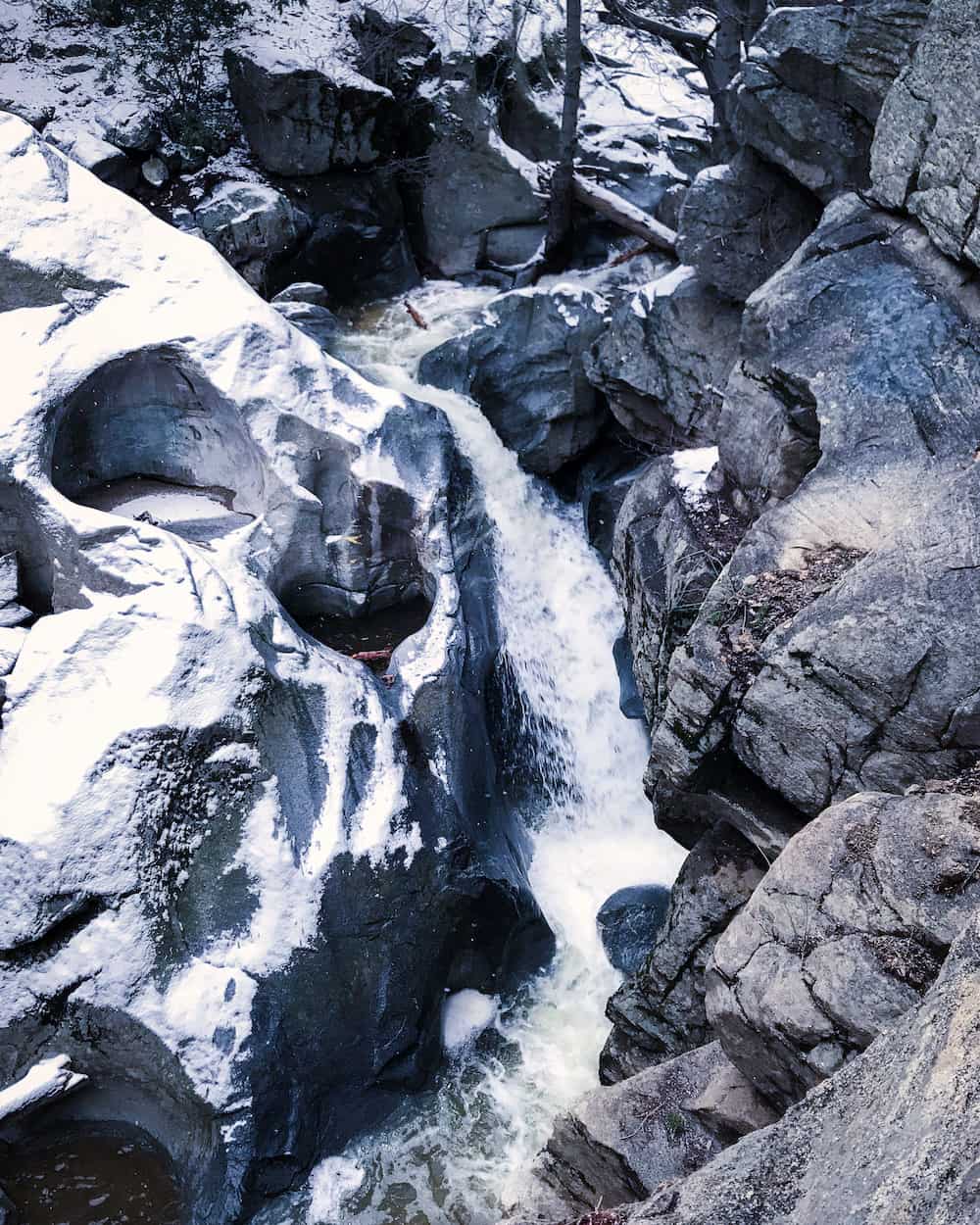
The waterfall is only about 25 feet tall, but if you look closely in the image above, you’ll be able to see a heart-shaped carving to the left of the cascade. This is a naturally occurring phenomenon that I have yet to see repeated in any other waterfall hike.

Fun Fact: As you probably already realized from the featured image, Heart Rock Trail gets snow, and when it does, it transforms the town of Crestline into one of my favorite places in SoCal. It literally looks like a winter wonderland.

The trail, which is shaded by a sea of pine trees, follows the creek up until the falls. Everything around me was covered in snow the last time I visited, and I couldn’t have been more delighted

16) Stoddard Canyon Falls: Rockslide & Pool
Stoddard Canyon Falls

  • Total Miles: 0.75
  • Difficulty: Moderate
  • Best Season: Spring
  • Elevation Gain: 160 Ft
  • Time: 45 Min
  • Dogs: Allowed On A Leash
  • Restrooms: Not Available
  • Map, Directions, & Full Post: Stoddard Canyon Falls

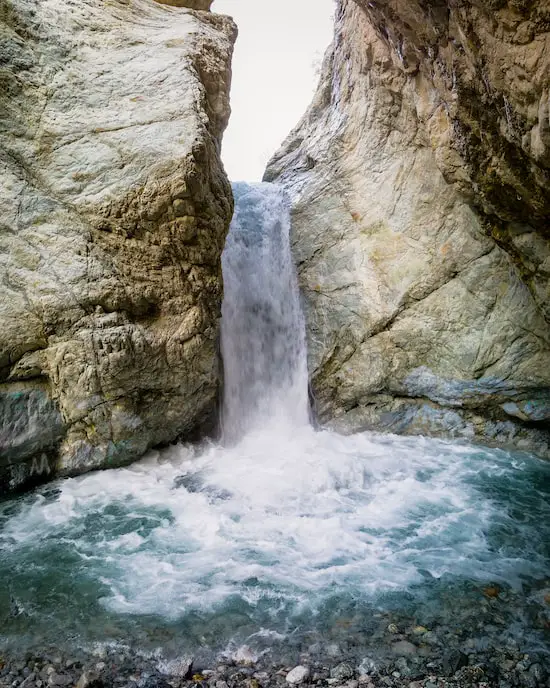
Stoddard Falls is a 40-foot waterfall located in San Antonio Canyon, but unlike most other waterfalls, this one has a rockslide and pool. Always test the depth of the pool before sliding down, as Stoddard Falls is known to have low water in late summer to early spring.

The majority of the trail consists of an abandoned and gradually descending paved road that follows San Antonio Creek down the canyon. The dirt trail that splits off the paved road is somewhat steep, loose, and difficult to spot.

Once I got down to the canyon floor, the luscious greenery and crystal-clear water left me mesmerized. I’ve yet to see water more blue and clear than that of this creek.

I made my way upstream and within a few minutes, arrived at the base of the falls.

Fun Fact: Stoddard Falls’ real name is actually The Old Falls. I found this out from an old vintage photo which you can view in the full post.

15) Topanga Lookout Trail: Best Views In Santa Monica Mts (Closed)
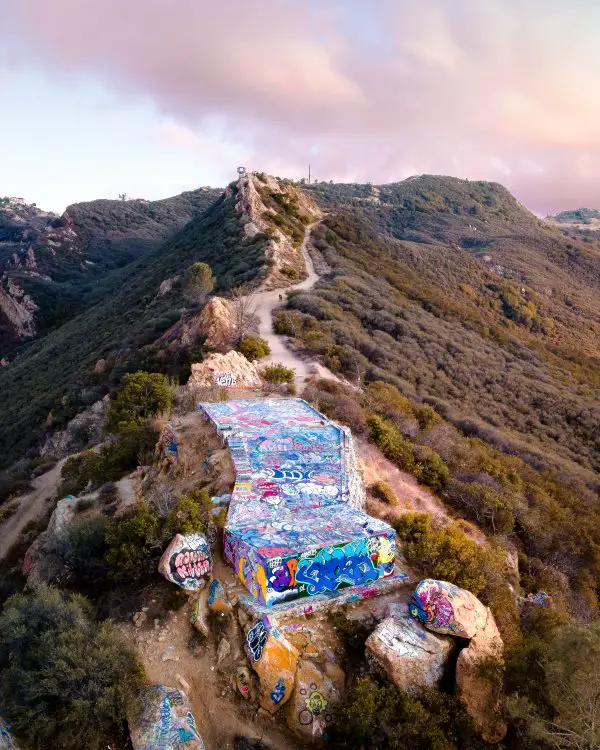
Topanga Lookout Trai

  • Total Miles: 2.26
  • Difficulty: Easy
  • Best Season: All Year
  • Elevation Gain: 348 Ft
  • Time: 60 Min
  • Dogs: Allowed On A Leash
  • Restrooms: Not Available
  • Map, Directions, & Full Post: Topanga Lookout Trail

Topanga Lookout without a doubt takes the prize for the best views in the Santa Monica Mts. From the lookout, I was able to see virtually all of the Angeles and San Bernardino National Forests.

However, what makes this view special is the vast mountain ranges that surround the platform below me on three sides. It literally made me feel like I was flying.

The graffitied platform was once the concrete foundation for a fire tower but is now used as a hiking destination and stage for artists. Expect very large crowds on weekends.

14) Hermit Falls (Closed)
Hermit Falls

  • Total Miles: 2.5
  • Difficulty: Easy
  • Best Season: Spring
  • Elevation Gain: 715 Ft
  • Time: 60 Min
  • Dogs: Allowed On A Leash
  • Restrooms: Available At The Parking Lot

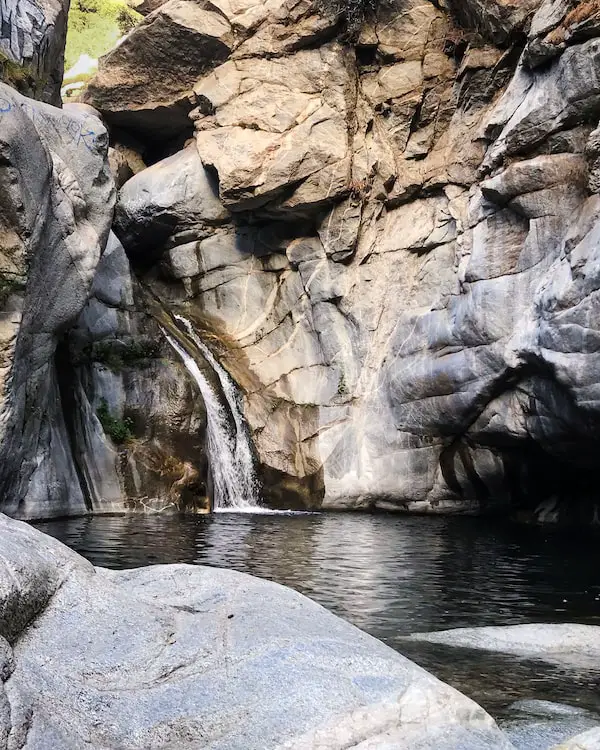
Hermit Falls is the best spot in the San Gabriel Mts for cliff jumping. It’s located in Santa Anita Canyon and shares the same trailhead (Chantry Flats) with another waterfall on this list, Sturtevant Falls.

Unfortunately, the area has been temporarily closed due to the Bobcat Fire that occurred in 2020.

When it was still open, Hermit Falls would receive tons of visitors every weekend with the intention of jumping off the 30-foot ledge and into the deep water hole at the base of the falls.

A second much higher ledge on the opposite side of the canyon was also used for cliff jumping, but getting to it required climbing up a very steep and loose trail. In order to get back to the primary 30-foot ledge, we would use a rope to climb up roughly 20 feet.

Sometimes, I’d hike from Chantry Flats down to Hermit Falls, then hop on a trail that led me through the canyon floor up to Sturtevant Falls.

Hermit Falls was one of my favorite places, but due to its growth in popularity, lowlifes wasted no time covering the ENTIRE surrounding canyon with graffiti.

13) Vanalden Cave In The Santa Monica Mountains
Vanalden Cave

  • Total Miles: 2.65
  • Difficulty: Easy
  • Best Season: All Year
  • Elevation Gain: 510 Ft
  • Time: 60 Min
  • Dogs: Allowed On A Leash
  • Restrooms: Available At The Parking Lot
  • Map, Directions, & Full Post: Vanalden Caves

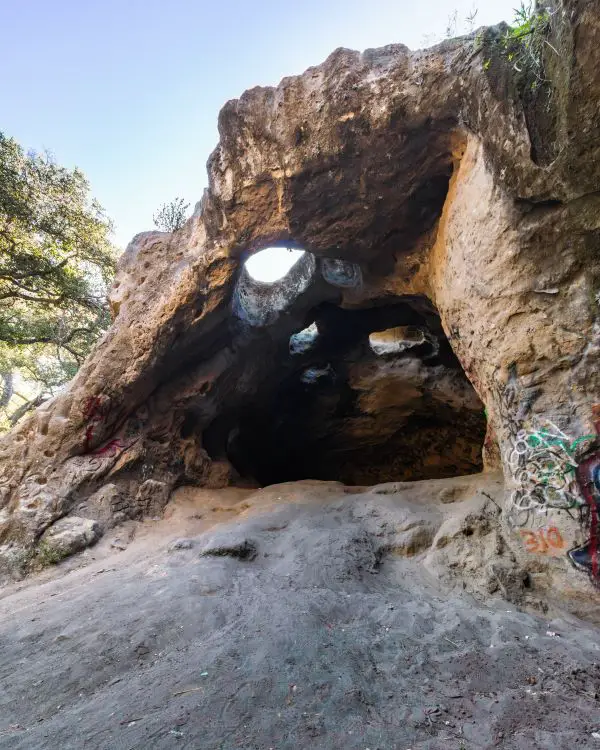
The Santa Monica Mountains are home to an awesome sandstone cave which can be accessed via a short and easy hike. 

The trail begins on a dirt road with amazing views of the Angeles and San Bernardino National Forests to the north, and the vast Santa Monica Mountains and the ocean to the south. 

Towards the end of the hike, you’ll hop onto an actual trail located on the right side of the road and quickly descend to the canyon floor. 

The trail leads you over a dry creek bed underneath the forest canopy. Shortly thereafter, you will see the cave tucked away into the corner of the canyon. 

The cave is roughly 30 feet deep and 14 feet tall. Unfortunately, lowlifes have already covered the caves with graffiti. 

Fun Fact: A short trail continues up the side of the mountain and leads you to the top of the cave where big holes in the ceiling allow you to peer inside from above. 

These caves are an adventure unlike any other in the Santa Monica Mountains. 

12) Cuyamaca Peak: Best Views In San Diego County
Cuyamaca peak

  • Total Miles: 7.24
  • Difficulty: Moderate – Hard
  • Best Season: All Year
  • Elevation Gain: 1815 Ft
  • Time: 4 Hrs
  • Dogs: Not Allowed On Azalea Glen Trail
  • Restrooms: Available At The Campground
  • Map, Directions, & Full Post: Cuyamaca Peak Trail

Cuyamca Peak is the second highest peak in the Cleveland National Forest, trailing only behind Hot Springs Mt by about 20 feet, but in my opinion, it offers better views as it’s closer to the ocean, and due to the mountain’s formation.

While many peaks have surrounding mountain ranges that are similar in height, Cuyamaca’s south-eastern face basically looks like a wall. It makes you feel like you’re standing on an enormous ledge that overlooks the valley below, similar to the Topanga Lookout Trail I previously mentioned.

There are two ways up the mountain, via the Azalea Glen Trail or directly up the Lookout Fire road, the latter being steeper. By the way, dogs are allowed at the campground and the fire road, but not the Azalea Glen Trail.

I took the scenic Azalea Glen trail up to the peak and came down the fire road to complete a loop.

Fun Fact 1: There are multiple slabs of rock on the Azalea Glen trail containing bedrock mortars which were created thousands of years ago by the Kumeyaay Native Americans to grind their food. Definitely check those out!

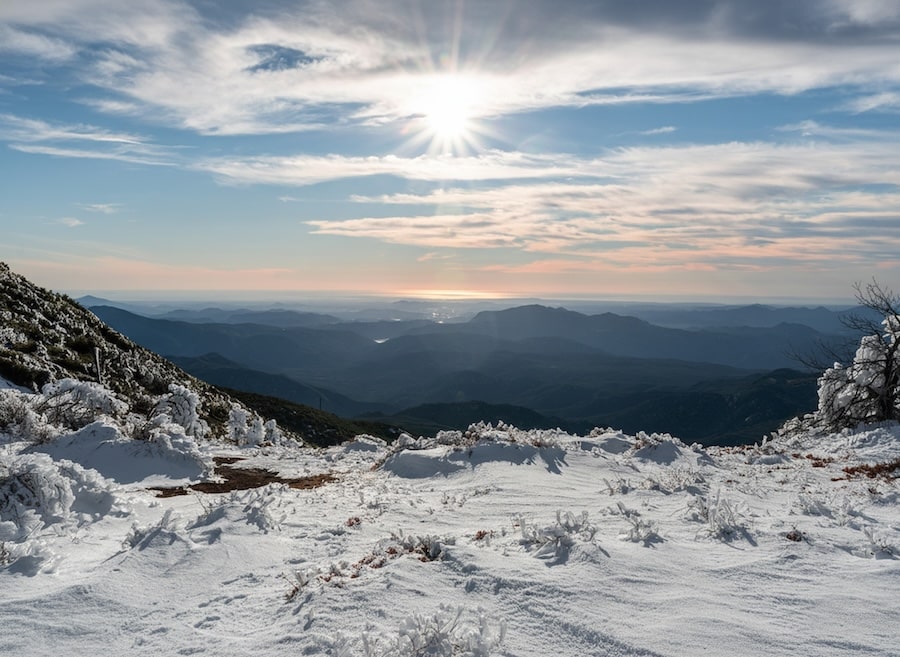
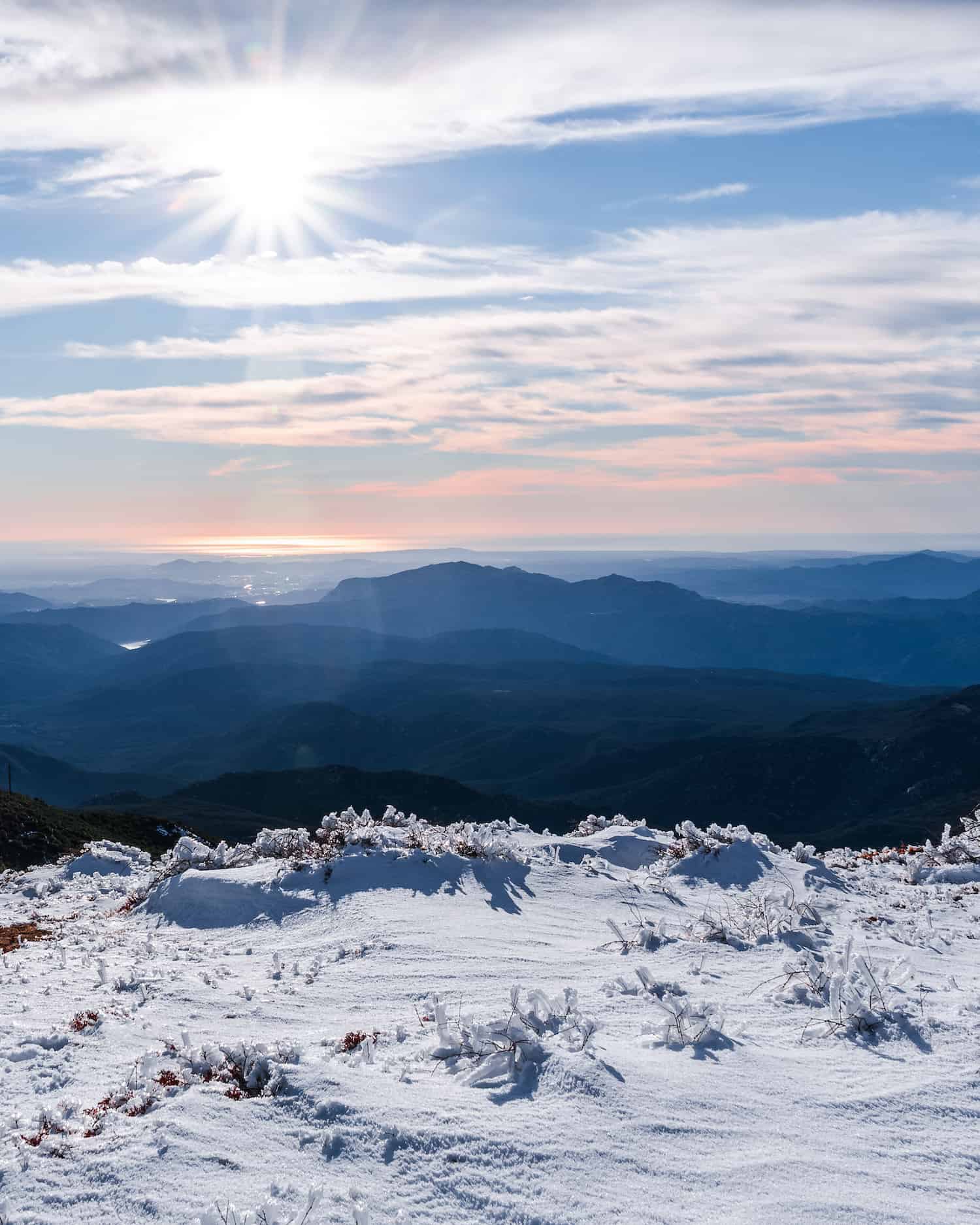
Fun Fact 2: Cuyamaca Rancho State Park turns into a winter wonderland after a good dump! The antennas at the peak are known to form giant icicles that come crashing down and can be dangerous, so heads up!

Fun Fact 3: My girlfriend and I had our first mountain lion encounter on the Azalea Glen trail. If you’re taking small children, don’t let them out of your sight!

11) Shoemaker Canyon Rd: LA’s Nuclear War Escape Tunnels
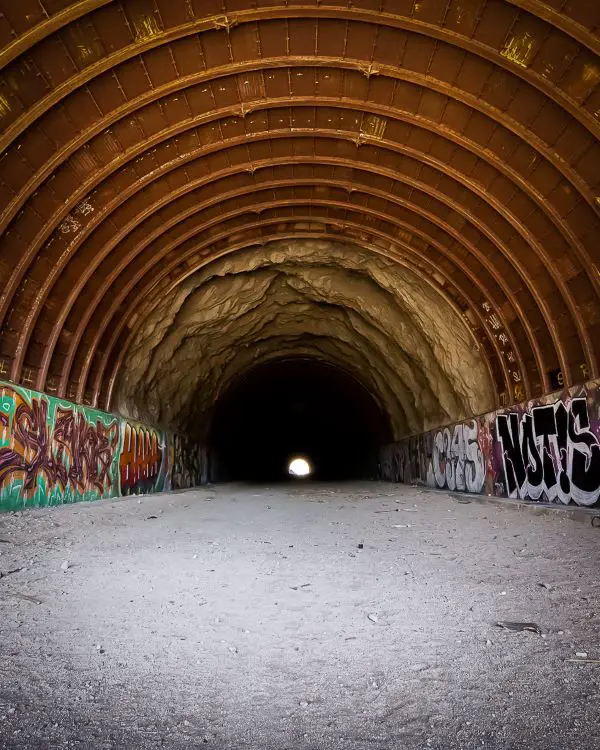
Shoemaker Canyon Road

  • Total Miles: 5
  • Difficulty: Easy
  • Best Season: All Year
  • Elevation Gain: 1404 Ft
  • Time: 2.5 Hrs
  • Dogs: Allowed On A Leash
  • Restrooms: Not Available
  • Map, Directions, & Full Post: Shoemaker Canyon Rd

During the midst of the Cold War in the 1950’s, Los Angelinos feared a nuclear attack from the Soviet Union (rightfully so). 

Due to the limited number of roadway exits out of SoCal, the people in LA decided to build a road through the San Gabriel Mts in order to safely get to Nevada. 

However, the high cost of building the road along with persistent conservationists finally put an end to the project. Today, the road and its two tunnels have become very popular hiking destinations. 

The parking lot is home to the Shoemaker Viewpoint, which offers amazing views of the San Gabriel River, Iron Mountain, and Heaton Flats. The entirety of the trail consists of trekking along a dirt road, with the second tunnel marking the end of the hike. 

Fun Fact: There are two bonus water drainages underneath the road which offer a different perspective of the valley below. More on these drainages in the full post. 

If that’s not enough, you can look for the long-forgotten Shoemaker Mine. I’ve yet to find it, but maybe you’ll have better luck. 

10) San Antonio Falls: Scenic 75 Ft Waterfall
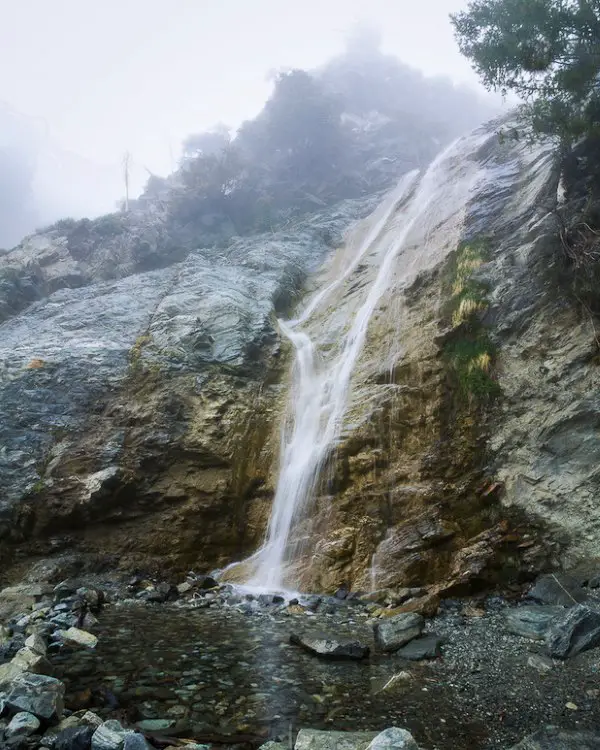
San Antonio Falls

  • Total Miles: 1.33
  • Difficulty: Easy
  • Best Season: Spring – Summer
  • Elevation Gain: 277 Ft
  • Time: 30 Min
  • Dogs: Allowed On A Leash
  • Restrooms: Not Available
  • Map, Directions, Drone Video & Full Post: San Antonio Falls

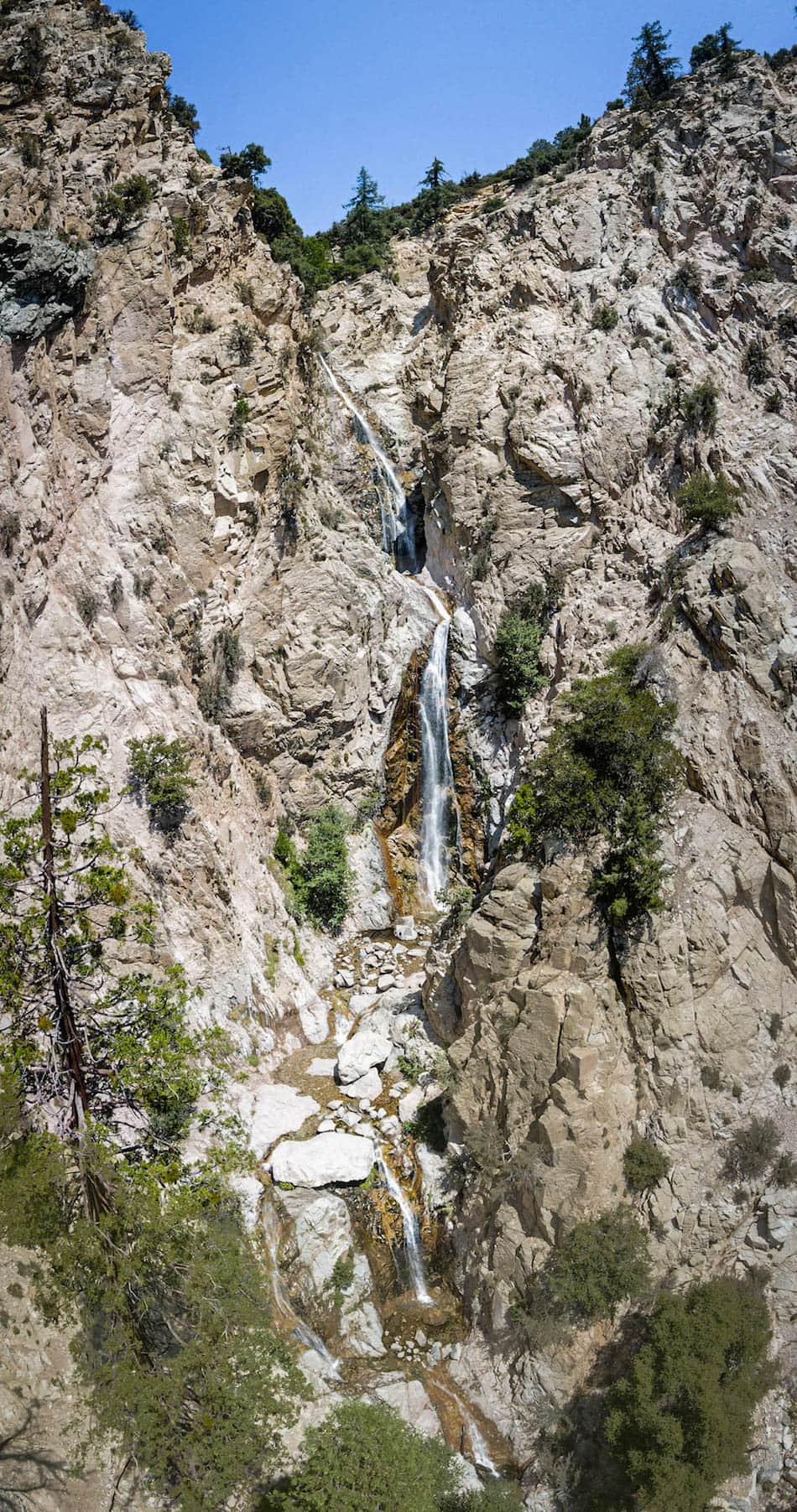
San Antonio Falls is a beautiful multi-tiered waterfall in the Mt Baldy area that flows longer into the year than most cascades. Most online guides claim the falls is 75 feet high, but I believe that to be the height of only the bottom tier. The drone video in the full post proves it’s closer to 200 feet high when all tiers are included.

The trail mostly consists of Falls Rd, a gradually inclining paved road that leads to a viewpoint of the waterfall, before ascending up to the Baldy Bowl Trailhead.

A dirt trail begins at the viewpoint and descends onto the canyon floor where the base of the falls is located. The beginning of the dirt trail gets a little sketchy and may be difficult for people with really poor balance, but that’s as difficult as the hike gets.

Fun Fact: San Antonio Falls gets snow every year!

The trail is very scenic, in my opinion, especially after a good snowfall when the abundant pine trees in the canyon are covered in snow, making it look like a winter wonderland.

9) Torrey Pines: SoCal’s Best Beach Trail
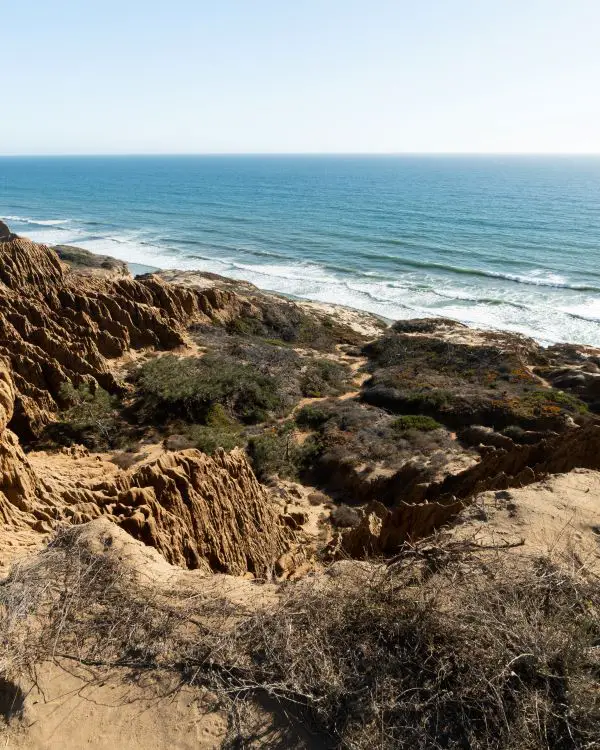
Torrey Pines Beach Trail

  • Total Miles: 3.1
  • Difficulty: Easy
  • Best Season: All Year
  • Elevation Gain: 338 Ft
  • Time: 2 Hrs
  • Dogs: Not Allowed
  • Restrooms: Available At The Beach
  • Map, Directions, & Full Post: Torrey Pines Beach Trail

Torrey Pines State Beach Loop is unlike any other hike for one primary reason; the trail includes both walking on the beach and trekking through the cliffs and pine trees. 

You can begin the trail at either the beach or cliff parking lots. 

While on the beach, you can expect to walk along huge sandstone cliffs towering hundreds of feet above the sand. These cliffs are very unstable. Hence, visitors are urged not to get too close, as parts of the cliff can come crashing down. 

Once you begin making your way up the cliffs, you’ll notice the entire trail consists of sand.

Fun Fact: The endangered Torrey Pine is native only to this beach, and can be found everywhere you look.

The cliffs contain various lookouts, each offering amazing views of the cliffs and the ocean. Make sure you plan your visit during low tide, otherwise, you won’t be able to walk on the beach! 

8) Sturtevant Falls: San Gabriel’s Must-Do Hike

  • Total Miles: 3.3
  • Difficulty: Easy – Moderate
  • Best Season: Spring
  • Elevation Gain: 708 Ft
  • Time: 1.5 Hrs
  • Dogs: Allowed On A Leash
  • Restrooms: Available At The Parking Lot

Sturtevant Falls is, in my opinion, the most stunning waterfall in the San Gabriel Mountains and it is officially open!

I’ve hiked this trail countless times as it’s very close to my parent’s house. Hence, I know it like the back of my hand.

I rated the difficulty as easy to moderate because the beginning of the trail requires descending down a steep paved road for 3/4 miles, which is all good and dandy. The way back, however, is a different story. It had me huffing and puffing the first time.

The paved road ends at the canyon floor, where the scenery transforms into a luscious green paradise. A small bridge used to provide access over the creek but has now since been destroyed. You can still see its ruins a bit further downstream, but don’t worry, the area is still accessible. Neat little cabins are dispersed throughout the canyon, and tall sycamore trees shade the majority of the trail.

An opening in the forest canopy allowed the waterfall to garner full attention from its visitors, and the green moss on the canyon wall provided more contrast for the falling stream.

The waterfall is roughly 50 feet high and flows over a very narrow opening in the canyon. Meanwhile, hikers trudge along the extremely narrow trail at the top of the falls toward Sturtevant Camp.

When it has lots of water, the falls fill its surrounding area with mist, giving it an ethereal and dreamlike appearance.

7) Annie’s Canyon: San Diego’s #1 Slot Canyon
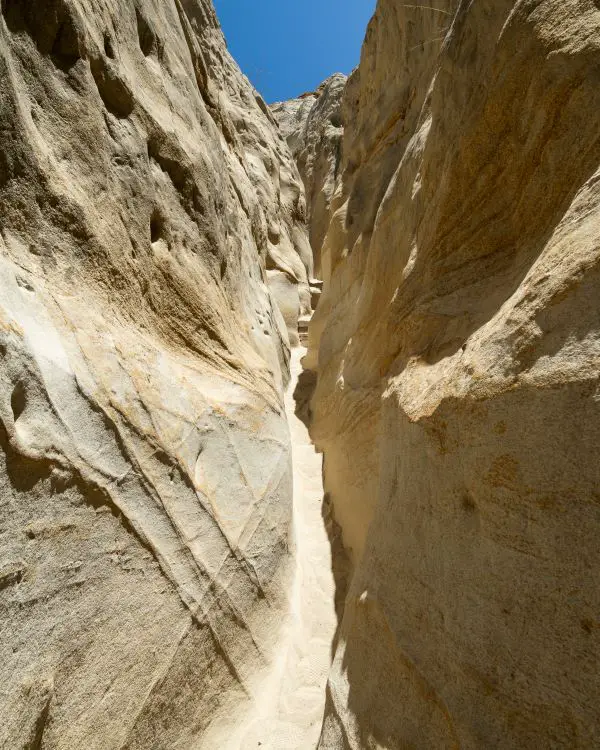
Annie's Canyon Trail

  • Total Miles: 1.3
  • Difficulty: Easy
  • Best Season: All Year
  • Elevation Gain: 224 Ft
  • Time: 45 Min
  • Dogs: Allowed On-Trail But Not The Slot Canyon
  • Restrooms: Not Available
  • Map, Directions, & Full Post: Annie’s Canyon

Annie’s Canyon is a beautiful slot canyon located in San Elijo Lagoon Ecological Preserve. During the weekend, you can undoubtedly expect a crowd. 

The trail’s beauty is enhanced by the wildflowers that call this place home. You can expect to walk alongside the marsh for the majority of the hike, then arrive at a recreational park near the end, with the entrance to the slot canyon on your right. 

The setting immediately transforms before your eyes. 

30-foot sandstone walls begin to close in on you in a mesmerizing way, and the wavy horizontal lines carved into the sandstone give off the impression of painted brush strokes.

At one point the canyon becomes so narrow that most people will have to turn sideways.

Explore a small cave then make your way up the ladder to arrive at the top of the slot canyon where you will be rewarded with a beautiful view of the preserve. 

6) Big Falls: Largest Waterfall In SoCal
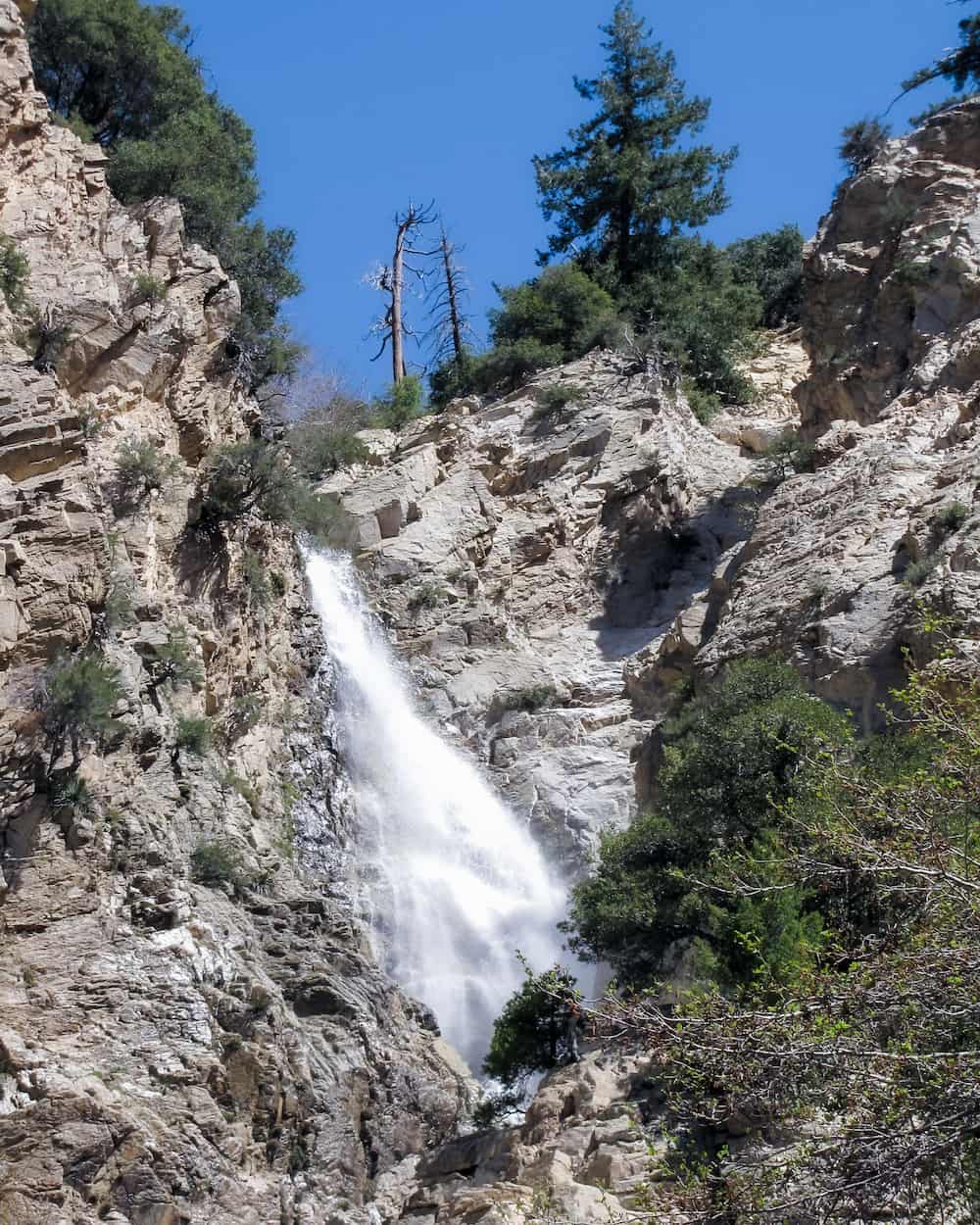
Big Falls Trail

  • Total Miles: 0.66
  • Difficulty: Easy
  • Best Season: Spring – Summer
  • Elevation Gain: 174 Ft
  • Time: 25 Min
  • Dogs: Allowed On A Leash
  • Restrooms: Available At The Parking Lot
  • Map, Directions, & Full Post: Big Falls Trail

The biggest waterfall in Southern California is located in the little, sleepy mountain town of Forest Falls in San Bernardino County. 

The colossal 500-foot giant, which consists of 10+ tiers, is so gigantic it can be seen from the road as you’re driving up to the parking lot. Even though the official trail is only 0.66 miles long, multiple flowing waterfalls can be expected all throughout.  

Some people like to make their way to the upper tiers, which are bigger than the ones at the bottom. However, getting to the top requires boulder scrambling. If you’re not comfortable with heights or climbing, I suggest playing it safe and sticking to the main trail. 

The trail is very scenic, thanks to the abundant pine trees in the canyon.

Fun Fact 1: Big Falls gets snow! Keep an eye on the weather forecast during the winter.

5) Big Horn Mine & Vincent’s Cabin: Creepy Abandoned Ruins
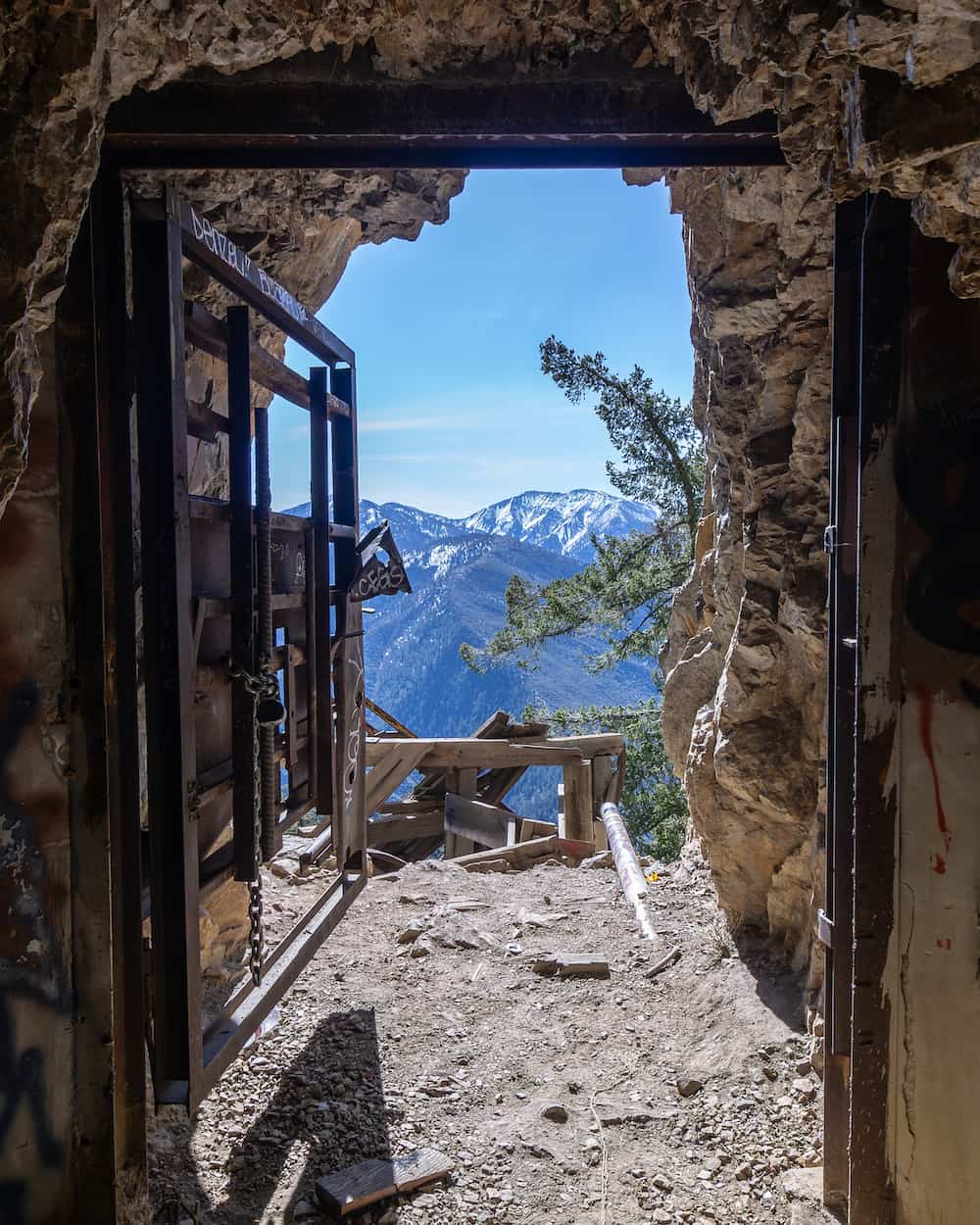
Big Horn Mine

  • Total Miles: 3.84
  • Difficulty: Easy
  • Best Season: All Year
  • Elevation Gain: 983 Ft
  • Time: 2.5 Hrs
  • Dogs: Allowed On A Leash
  • Restrooms: Available At The Parking Lot
  • Map, Directions, & Full Post: Big Horn Mine Trail

Deep in the headwaters of the San Gabriel River, an abandoned gold mine is still accessible to hikers. The founder, Charles T. Vincent, built a cabin about a mile away from the mine which currently stands.

128 years later, both structures have become popular hiking destinations.

Fun Fact: Unlike the other 300 LA prospects, the Big Horn is massive in size, and the inside can still be explored.

The trail begins off the 2 Highway, weaving its way through a dense pine tree forest while boasting breathtaking views of San Antonio Peak, the highest peak in the San Gabriels. 

The remaining structures of the Big Horn Mine can be thoroughly explored before heading into the portal. Unfortunately, part of the building was washed away by Mother Nature. 

Microspikes and trekking poles are HIGHLY suggested if you plan to visit after a heavy snowstorm, as three sections of the trail become extremely narrow. Should you slip, it’ll be a long way down. 

Inside the mine, tunnels split into various directions, huge pits big enough to swallow multiple cars lay scattered throughout the mine, and the only sound is that of water droplets falling from the ceiling. 

As you make your way back, take a short detour to visit Vincent’s Cabin located in a small clearing. Vincent lived in this cabin when Grizzly Bears roamed the area. 

Not surprisingly, he was attacked by 3 bears. He managed to shoot two and claimed the third kill with his knife. Unfortunately, he later succumbed to his injuries in an LA hospital where he confessed to fleeing the state of Arizona after killing three men. 

4) Three Sisters Falls: San Diego’s Most Popular Waterfall
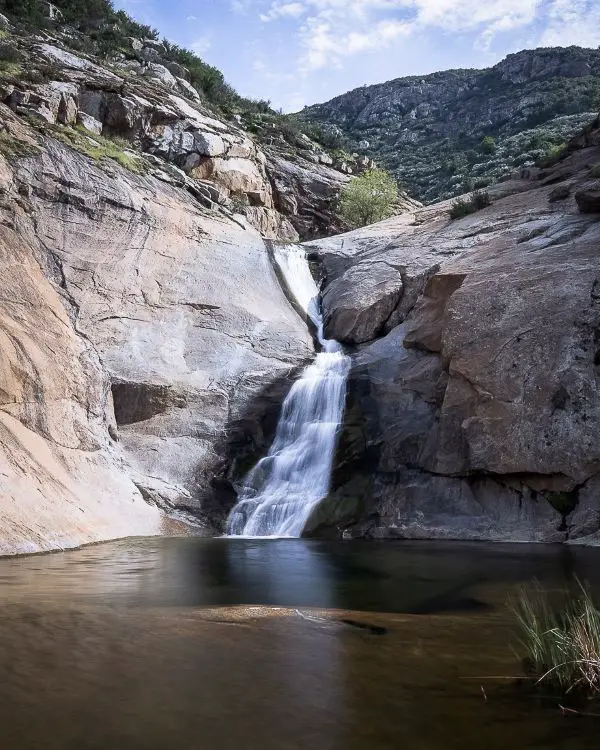
Three Sisters Falls

  • Total Miles: 3.39
  • Difficulty: Moderate – Hard
  • Best Season: Spring
  • Elevation Gain: 1069 Ft
  • Time: 2.5 Hrs
  • Dogs: Allowed On A Leash
  • Restrooms: Available At The Parking Lot
  • Map, Directions, & Full Post: Three Sisters Falls Trail

This massive three-tiered cascade has won over the hearts of San Diegans. 

While most waterfalls stand upright, the roughly 150-foot Three Sisters Falls flows down the canyon in a much more gradual descent.

The start of the hike requires trekking down to the canyon floor, much like Cedar Creek Falls. Hence, the hard part is reserved for the end. Believe me, the way back is a workout! 

I don’t suggest taking your pooch during the summer months as it gets excruciatingly hot in this area. Pack extra water and a hat, and expect huge crowds on the weekends, so get there super early!

Fun Fact: The top tier contains a swimming hole deep enough for cliff jumping. Getting to it requires rock scrambling and careful footing, but if you’re the adventurous type it shouldn’t be too difficult. Plus, you’ll be rewarded with a slightly less crowded 25-30 foot cascade. 

The bottom tier looks more like a natural water slide measuring roughly 30 feet in length. At 50 feet, the middle tier is the tallest, and although it has a large swimming hole I don’t think it’s deep enough for cliff jumping.

If you live or are visiting Socal, Three Sisters Falls is a must-do!

3) Escondido Falls: Most Breathtaking LA Falls
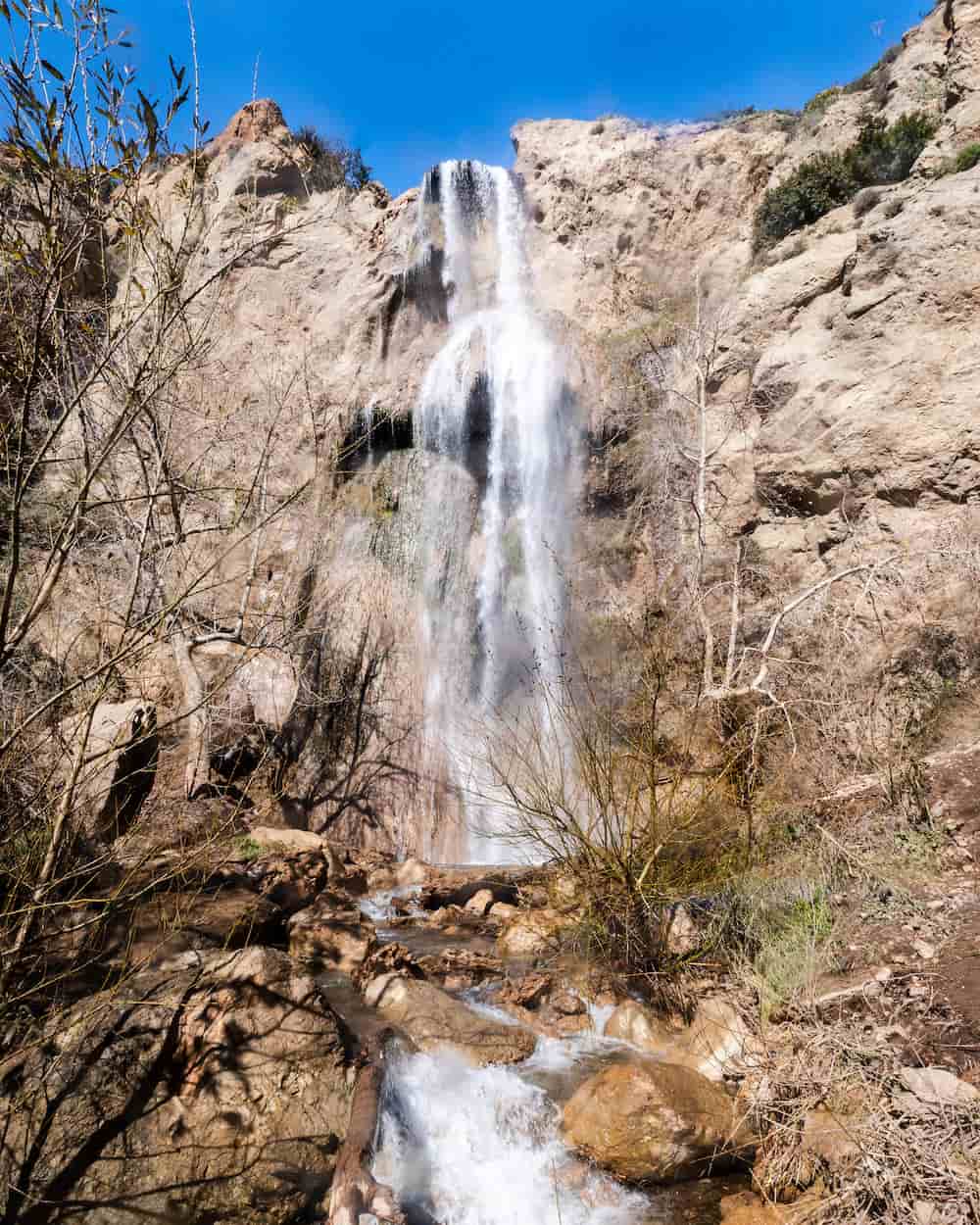
Escondido Falls

  • Total Miles: 3.49
  • Difficulty: Easy
  • Best Season: Spring
  • Elevation Gain: 507 ft
  • Time: 1.5 Hrs
  • Dogs: Allowed On A Leash
  • Restrooms: 1 Porta Potty At The Parking Lot
  • Map, Directions, & Full Post: Escondido Falls

At 150 feet high, the Upper Escondido Falls is without a doubt the most stunning waterfall in LA County. Some may even say all of Southern California.

Unfortunately, the last section of the trail leading up to the top falls is closed to the public as it is steep, loose, and dangerous for most people. On the upside, the top of the cascade can be seen flowing from the trail.

The trail ends at Lower Escondido Falls, a 50 ft limestone waterfall which is impressive in an of itself. The broad cascade is adorned with green moss and ferns while sycamore trees boast their vibrant yellow and orange leaves.

Nearly the first half of the hike consists of a paved road. However, once I hopped on the official trail, I found myself following the well shaded Escondido Creek through a riparian and oak woodland.

If you plan on hiking this trail, try to get out there as fast as possible following a good rainstorm, as the falls is dry most of the year.

2) Bridge To Nowhere: SoCal’s Most Famous Ruins

  • Total Miles: 9.5
  • Difficulty: Moderate – Hard
  • Best Season: All Year
  • Elevation Gain: 1246 Ft
  • Time: 4.5 Hrs
  • Dogs: Allowed On A Leash
  • Restrooms: Available At The Parking Lot

Deep in the East Fork of the San Gabriel Canyon, a random bridge looms over the creek. Not a single vehicle is to be seen for miles, yet the bridge gets visitors on a daily basis.

Construction for the Bridge To Nowhere began in 1936, but it quickly ceased after a major flood changed the landscape and destroyed the road leading up to the bridge. The original intent was to connect the San Gabriel Valley with the little mountain town called Wrightwood.

Nowadays, it’s become Southern California’s most popular abandoned place, and, if I’m correct, the second most popular trail. The first is Eaton Canyon Falls.

The trail begins at Heaton Flats, follows the San Gabriel River upstream through beautiful narrows, and ends at the bridge where deep water holes in the creek provide hikers a way to cool off. It’s not uncommon to see a herd of majestic bighorn sheep roaming the area.

Fun Fact: The private company, Bungee America currently owns the bridge, which they use for their customers.

1) Cedar Creek Falls: SoCal’s Most Stunning Waterfall
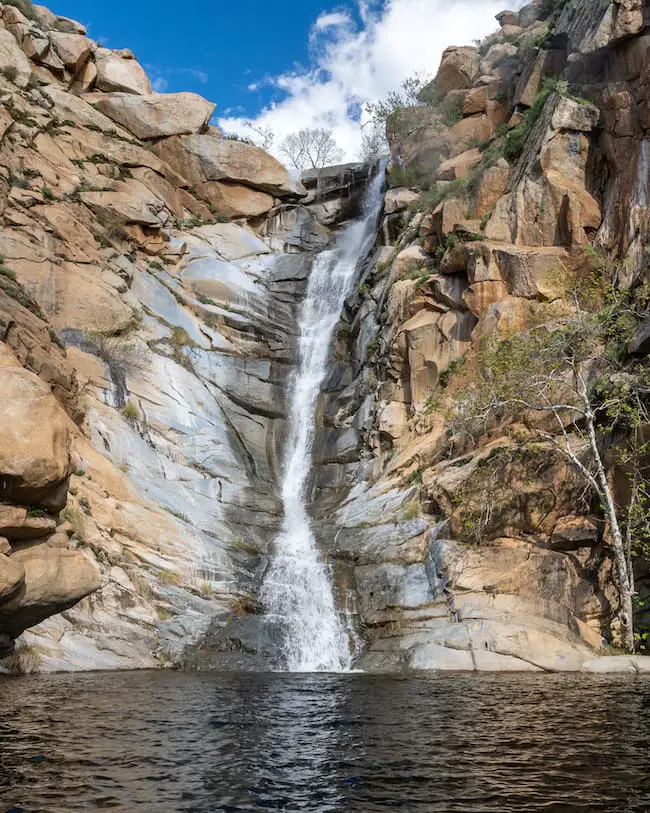
cedar creek falls

  • Total Miles: 5.5
  • Difficulty: Moderate
  • Best Season: Spring
  • Elevation Gain: 1026 ft
  • Time: 2.5 Hrs
  • Dogs: Allowed On A Leash
  • Restrooms: Available At The Parking Lot
  • Map, Directions, & Full Post: Cedar Creek Falls

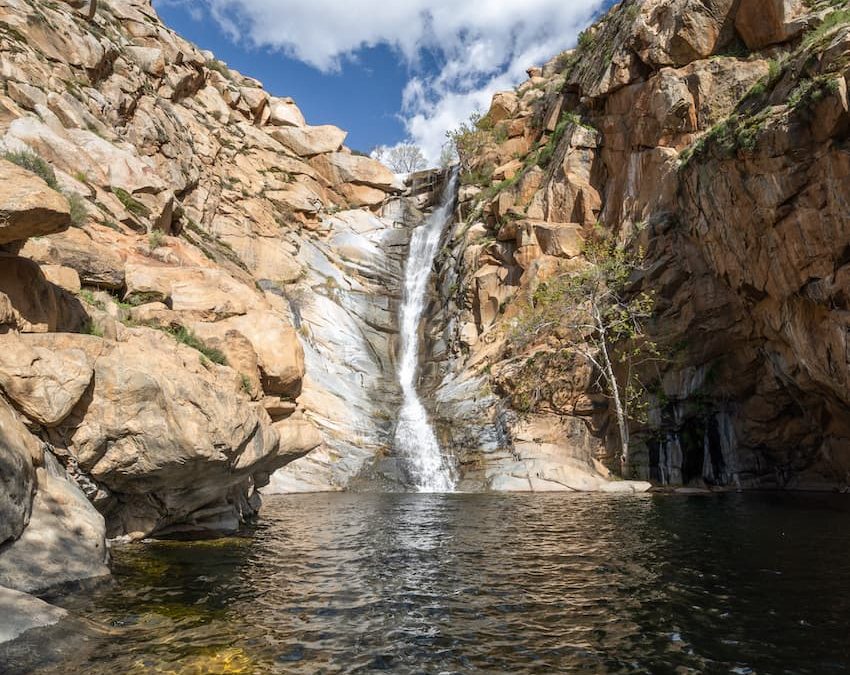
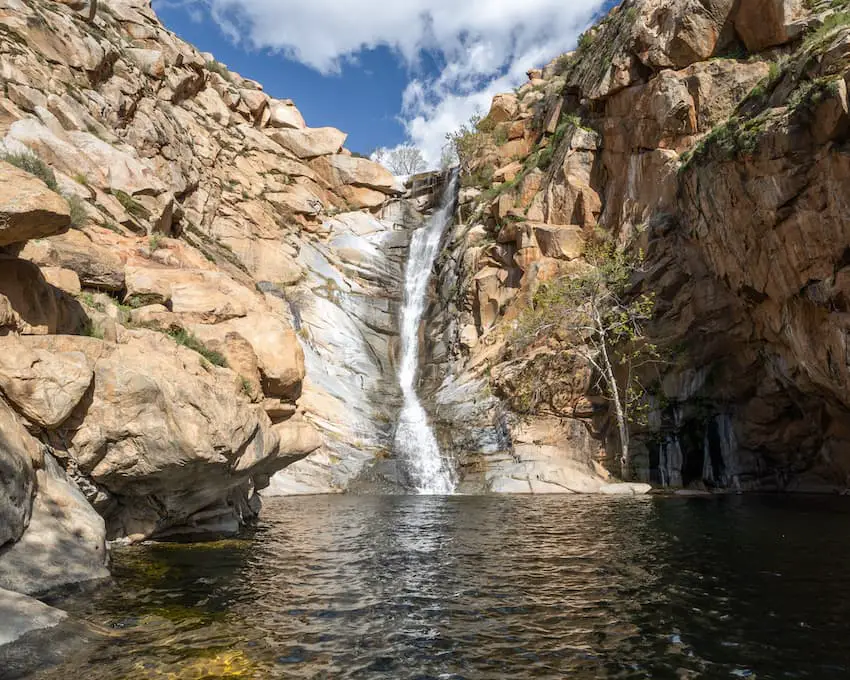
Cedar Creek Falls is, in my opinion, San Diego’s most beautiful waterfall. The 80-foot cascade towers over everything in its surrounding area, and the orange tint on the cliff walls only adds to its beauty. 

When you’re at the base of the falls, it feels like you’re standing before a giant or a skyscraper. It’s a really humbling experience. 

If the breathtaking view isn’t enough of a reason to visit, the waterfall’s swimming hole is enormous and deep. Although cliff jumping is not allowed, swimming definitely is. Therefore, expect a crowd on the weekends. 

Visiting the falls requires a $6 permit, which I highly suggest you purchase weeks in advance. It’s 6 bucks per car, not per person. 

Thanks to the permit, the waterfall is graffiti-free and trash is almost non-existent. Keep in mind this hike becomes excruciatingly hot in the summer, and the waterfall is more likely to be dry, so try to visit in the spring!

Fun Fact: There’s a pool at the top of the falls.  

When Is The Best Time To Hike In Southern California?

Unless you love the snow as I do, the best season to hike in Southern California is spring for three reasons.

1 Avoid SoCal Summers

First of all, SoCal summers can be brutal, reaching temperatures of 100+ degrees Fahrenheit. Heat strokes are not uncommon, as many trails (usually the ones not located in canyons) are very exposed.

2 Flowing Waterfalls

Secondly, unlike the northern part of the state, most SoCal waterfalls dry up after a few weeks. Spring is the best time of the year to catch them flowing. Some waterfalls dry up before spring even ends.

3 Vibrant Colors

Southern California is hot zone for biodiversity, both plants and animals. Every spring our hills and mountains are covered in the bright yellow invasive plant, the wild mustard.

In some cases when rain was abundant during the winter, we get a multi-colored poppy super bloom, which is arguably one of the stunning landscapes you’ll see in the state.

Additionally, most plants come back to life during the spring, such as ferns and virtually every type of flower.

Is It Safe To Hike In Southern California?

Hiking in SoCal can be safe and fun. However, you must always be prepared to act in an emergency situation, and you should become familiar with the area where you plan on hiking to avoid dangerous mountain conditions and people.

Wild Animals

Bears, mountain lions, and rattle snakes are probably the most dangerous animals in our state. However, encounters are rare, especially lions, and an attack is even more uncommon. However, you should still know what to do just incase you do come in contact with one of them.

Plants

The most notorious plant in SoCal is poison oak, a three leafed menace which lurks in most canyons, especially those abundant with water. The leaves are sometimes spotted with a red/burgundy color.

When poison oak comes in contact with the skin, it produces a painful and irritating rash that can last up to two weeks and sometimes blister. Remember the saying, “leaves of three, let it be” to identify and avoid poison oak.

Unless you know exactly what you’re doing, I suggest refraining from foraging. A large quantity of plants which are not dangerous to touch can be lethal to consume.

People

Unfortunately, people with ill intentions take refuge in the mountains. I’ve heard of crazy individuals harassing and threatening hikers in places like the Big Horn Mine, Ice House Canyon Trail, and Hogback.

Additionally, car break-ins are very frequent in areas like Azusa Canyon and Big Tujunga. Someone broke into my truck in the East Fork of the San Gabriel River. I’ve also heard very sketchy people hanging around the Shoemaker Tunnels after dark.

If you’re hiking anywhere in LA County, leave all your valuables at home. Unfortunately, crime has gotten pretty bad, but luckily, I’ve yet to hear about any muggings or murders in the mountains.

Dangerous Mountain Conditions

The biggest threat to your safety is exposure to dangerous mountain conditions such as flash floods and snowstorms. However, it’s not uncommon for people to get lost in mild weather conditions and succumb to starvation or lack of water.

Here are some quick tips to keep you safe in the outdoors:

  1. Carry a printed or topo map in addition to GPS on your phone
  2. Learn how much water to carry (roughly 1 liter per 2 hours of hiking)
  3. Learn what gear is necessary for winter conditions (micro spikes, windbreaker, multiple layers, anti-glare eye protection, among other things).
  4. Tell a family or friend where you’re going and when you’ll be back
  5. Learn to recognize dangerous conditions such as areas susceptible to landslides, avalanches, flash floods, etc.
  6. Learn basic outdoor survival skills such as which plants are edible, how to find and purify water, and how to build shelters

Cedar Creek Falls: SoCal’s Most Beautiful Waterfall

Cedar Creek Falls: SoCal’s Most Beautiful Waterfall

  • Miles: 5.5
  • Time: 3 hrs
  • Difficulty: Moderate
  • Best Season: Spring
  • Elevation Gain: 1026 ft
  • Max Elevation: 1836 ft
  • Type of Trail: Out & Back
  • Parking Lot: Fits 15+ cars
  • Dogs: Allowed On A Leash
  • Restrooms: Available At The Parking Lot
  • Trail Popularity: Very High
  • Pics Taken On: Mar 7, 2022

Want to visit a huge waterfall in San Diego County? Cedar Creek Falls is a super popular, yet surprisingly well-kept falls, with the largest swimming pool I’ve seen in SoCal.

Cedar Creek Falls is an 80-foot waterfall located in Cuyamaca Rancho State Park. The hike has two trailheads. The more popular is located on Thornbush Rd and requires a $6 permit while the lesser-used trailhead begins off of Eagle Peak Rd. Cedar Creek plunges into a large pool deep enough for swimming. There is very little shade on the trail. Hence, plenty of water and a hat are crucial.

Cedar Creek Falls is easily one of the most stunning waterfalls/hikes in SoCal. If you want to view the complete list, check out the posts below:

Top Waterfalls In Southern California

Best Hikes in SoCal

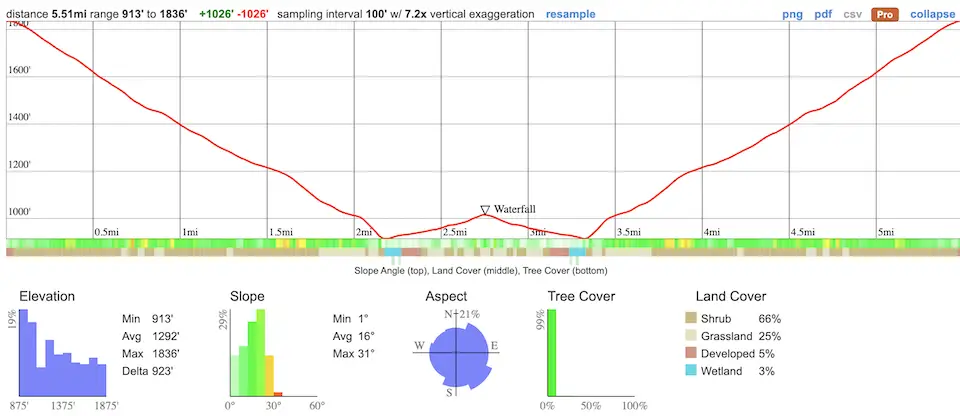
Cedar Creek Falls Trail Map

powered by Advanced iFrame

Cedar Creek Falls Elevation Profile

Download Printable PDF Map

Address & Directions

Click the following link to be redirected to the trailhead via Google Maps: 5519 Thornbush Rd, Ramona, CA 92065

Helpful Links

Weather Forecast

Parking Permit [Required for hiking Cedar Creek Falls, regardless of whether you already own a SoCal Adventure Pass]

Hiking To Cedar Creek Falls

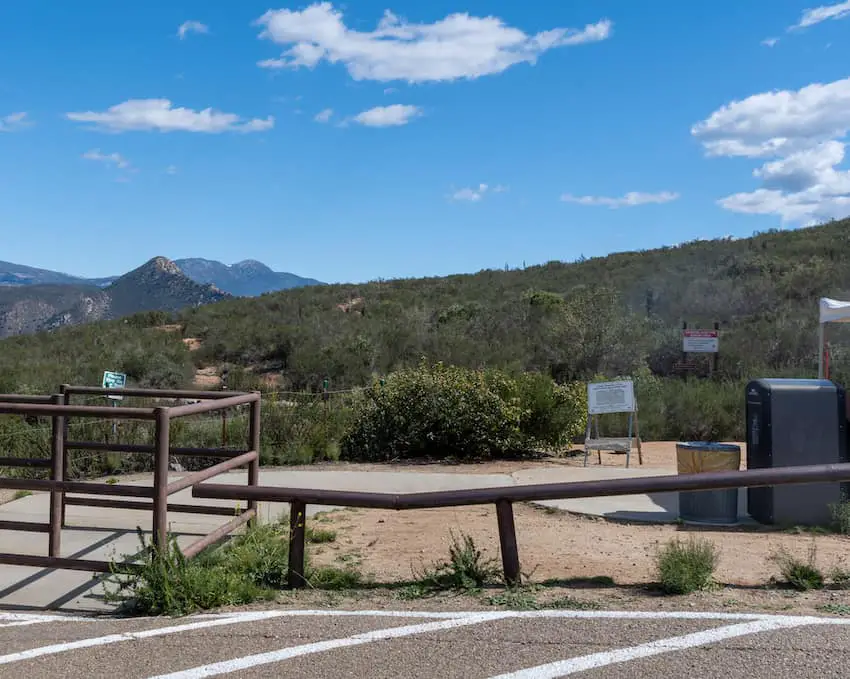
This is the entrance to the hike via Thornbush Dr. Input your name on the sign in sheet under the canopy and begin your adventure.

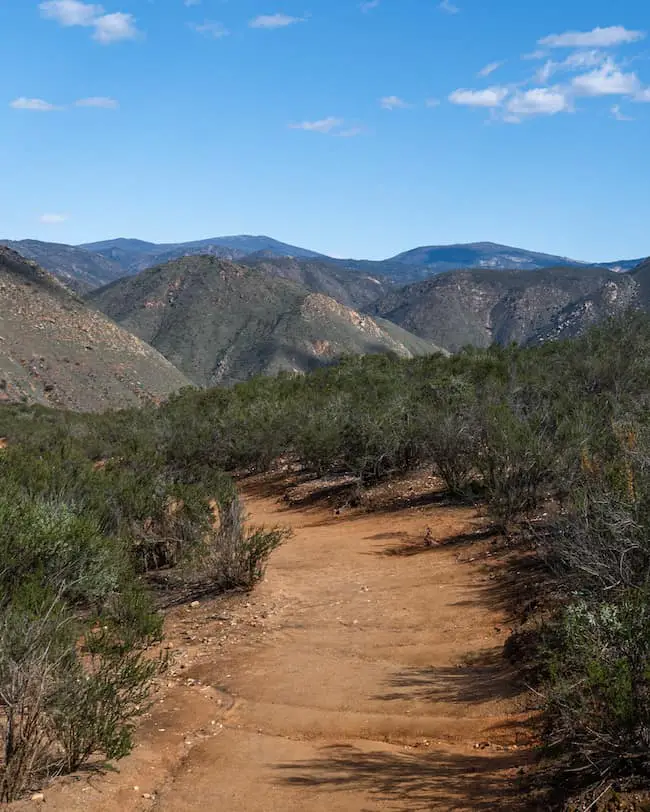
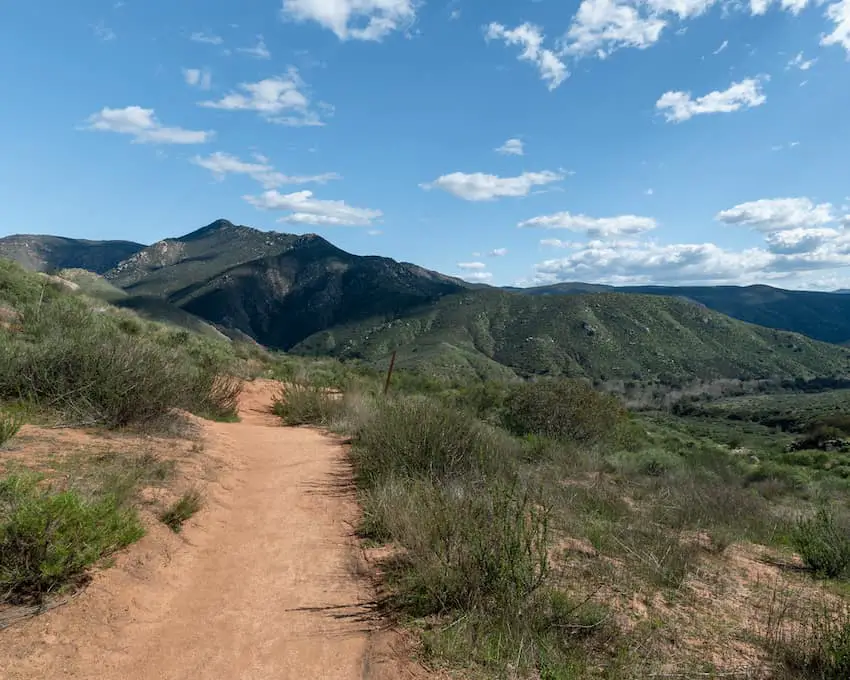
From the get-go you will be greeted with a beautiful view of Cuyamaca Peak, the second highest peak in the Cleveland National Forest, in the distant foreground.

The initial part of the trail will lead you down through a mostly dry environment, with the exception of shrubs.

But what it lacks in vegetation, it more than makes up for with scenic views.

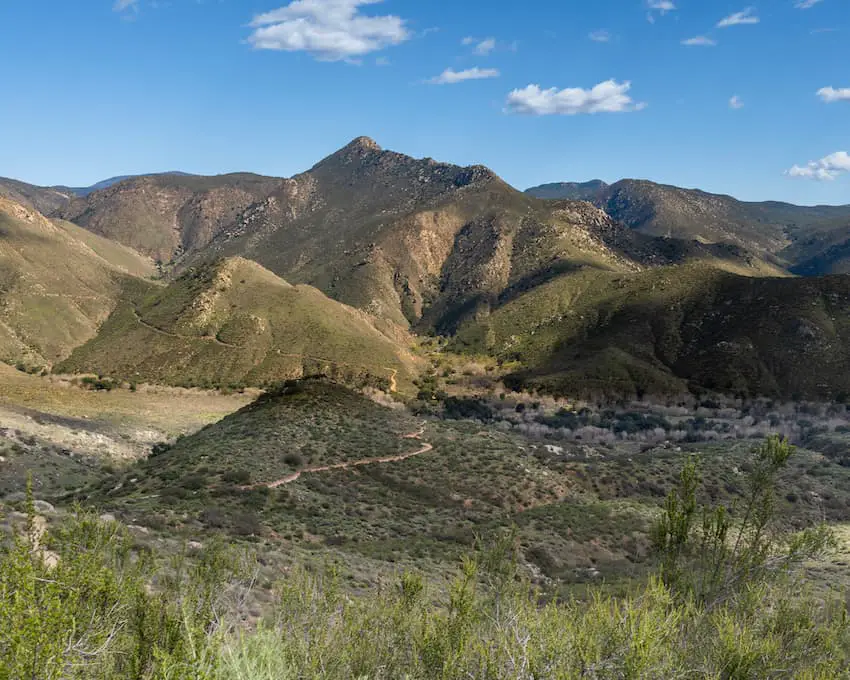
Laying before you, is a breathtaking green canyon. The canyon which you must venture through to get to the falls.

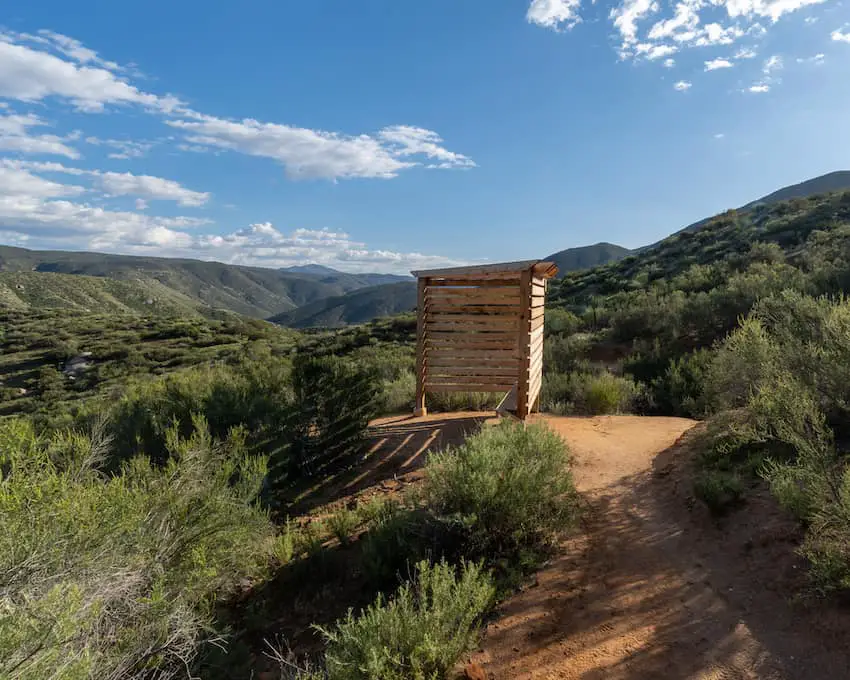
The park rangers have been kind enough to build small wooden structures throughout the trail, not only to enjoy the scenery, but to also protect people from the harsh sun in the summer months.

Below is a view of the trail descending down onto the canyon floor where the drier Boulder Creek runs perpendicular to the trail.

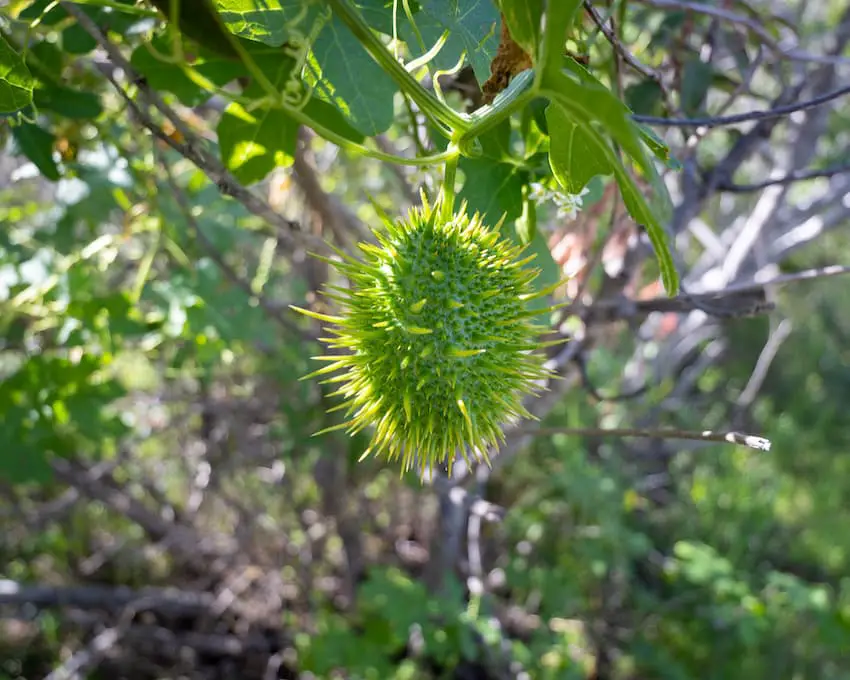
If you visit in the late winter and early spring keep an eye out for wild cucumbers. They’re neat looking things but also toxic so don’t eat them!

There’s Boulder Creek in the distance overcrowded with trees.

After crossing Boulder Creek, you will arrive at this junction. Cedar Creek Falls is straight ahead.

Finally, the first sign of water.

If you look to the left while crossing the creek, this will be your view.

You’ve made your way down to the canyon floor, crossed Boulder Creek, and are now ascending into another canyon.

Once you see this strange rock formation which looks like a doorway, you’ll know you’re almost there!

The waterfall is so enormous that it literally towers over the trees, dwarfing everything in the surrounding area.

Stand at the base of the falls and take a good look at it. The water is cool, the air is fresh, and now all there is left to do is to jump in and relax.

cedar creek falls

The swimming hole is the best I’ve seen in SoCal. It’s so enormous that the locals provided a name just for itself, the Devil’s Punchbowl.

 (Cliff jumping is now allowed).

Cedar Creek Falls may be the most beautiful falls in San Diego, but the title for the most popular waterfall goes to 3 Sisters Falls, a three tiered waterfall with two swimming holes. Click the link to check it out.

FAQ

How long is Cedar Creek Falls? 

If you start at the Thornbush Rd Trailhead it’s 5.6 miles roundtrip. If you start at the Eagle Peak Rd Trailhead it’s 5.2 miles roundtrip.

Is there bathrooms at Cedar Creek Falls? 

The only restrooms are located at the Thornbush Trailhead

Can you swim at Cedar Creek? 

Yes, you can swim at Cedar Creek.

Can you jump off of Cedar Creek Falls?

Cliff jumping is not allowed at Cedar Creek Falls

Are dogs allowed at Cedar Creek Falls? 

Yes, dogs are allowed at Cedar Creek Falls but they must be on a leash at all times.

Cuyamaca Peak: 2nd Highest Peak In SD County

Cuyamaca Peak: 2nd Highest Peak In SD County

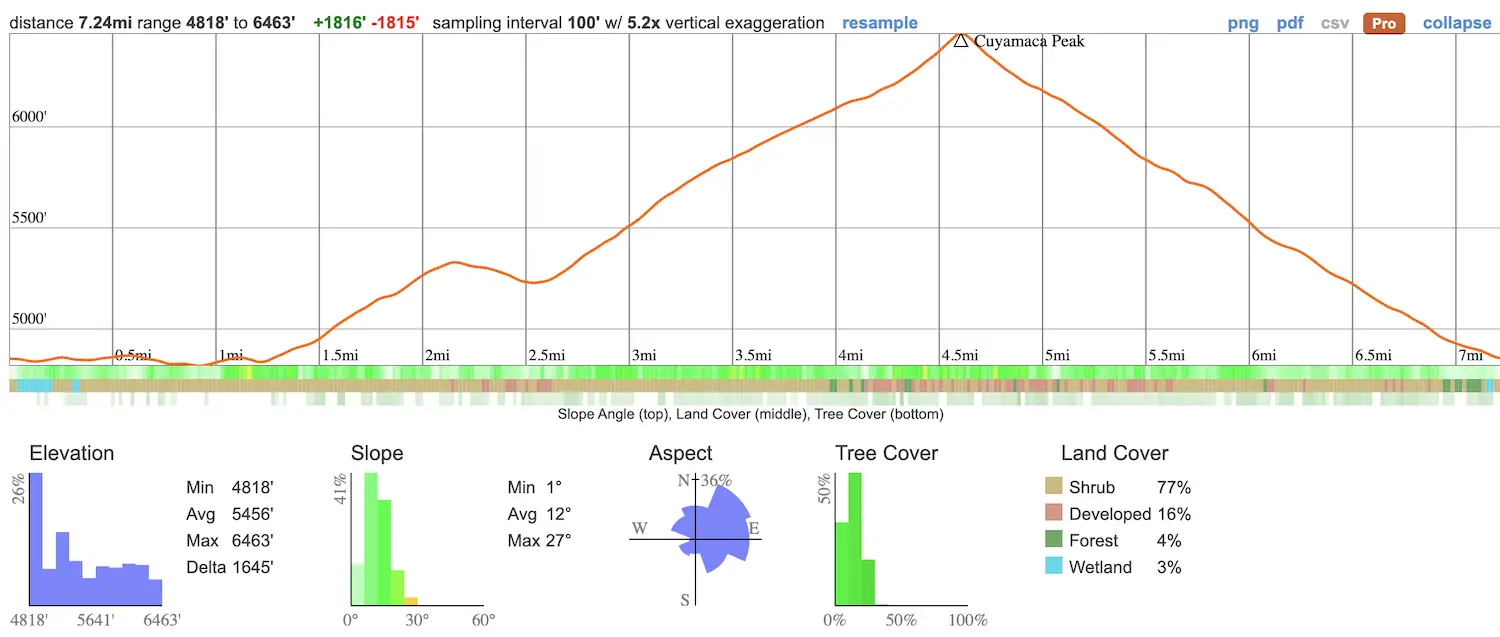
  • Total Miles: 7.24
  • Time: 4 Hrs
  • Difficulty: ModerateHard
  • Best Season: All Year
  • Elevation Gain:1815 ft
  • Max Elevation: 6463 ft
  • Type of Trail: Loop
  • Parking Lot: Available At The Campground
  • Dogs: Not Allowed On Trail
  • Restrooms: Available At The Campground
  • Trail Popularity: High
  • Pics Taken On: Feb 26, 2022

Cuyamaca Peak will be remembered in my history book as one of the hikes that surprised me the most. I as shocked by the view from the peak, which is now one of my all-time favorites, the fact that a Native American village was located along the trail, the amount of snow, and lastly, the cougar that growled at us from the brush (I’ll get into that later in this post) all made this hike one of my life’s most memorable.

Cuyamaca Peak via the Azalea Glen Trail is a 7.24 round trip mile hike beginning at the Paso Picacho campground in an oak woodland forest. The trail offers the opportunity to experience an abundance of wildlife, such as wild turkeys, bald eagles, vultures, and on very rare occasions, mountain lions. Cuyamaca Peak, which is the second-highest in the Cleveland National Forest at 6463 ft, boasts the best views of Cuyamaca Rancho State Park and as far as Anza Borrego and Mexico.

Want to explore slot canyons at the beach, enormous waterfalls, and more amazing views? Check out my complete list of San Diego County Hikes.

Cuyamaca Peak Trail Map

powered by Advanced iFrame

Cuyamaca Peak Elevation Profile

Download Printable PDF Map

Directions

Click the link to be redirected to the parking lot and trailhead via Google Maps. Both are found at the Paso Picacho Campground.

Parking is $10

Park Info

Cuyamaca Rancho State Park Website

Weather Forecast

Phone: (760) 765-3020

Hours: 6 am – 8 pm

Quick Cuyamaca Peak Reference Guide

  • Although it’s rare, mountain lion encounters are more frequent here than other mountain ranges (we had our 1st encounter). NEVER run from a mountain lion. Put your hands in the air to make yourself seem bigger and yell to scare the lion away.
  • Take plenty of water and a hat as there is very little shade on the trail
  • During the wintertime, Cuyamaca Rancho State Park can transform into a winter wonderland, so plan accordingly.
  • Drones are not allowed in the park
  • Dogs are only allowed in the campground and on the Lookout Fire Road.
  • Trekking poles are highly recommended.

Azalea Glen Trail

We decided to hike via the Azalea Glen Trail because it’s more scenic and cuts through a meadow that was once the site of a seasonal Kumeyaay village. The Kumeyaay were the original residents of the Cuyamacas, dating as far back as 12000 BC!

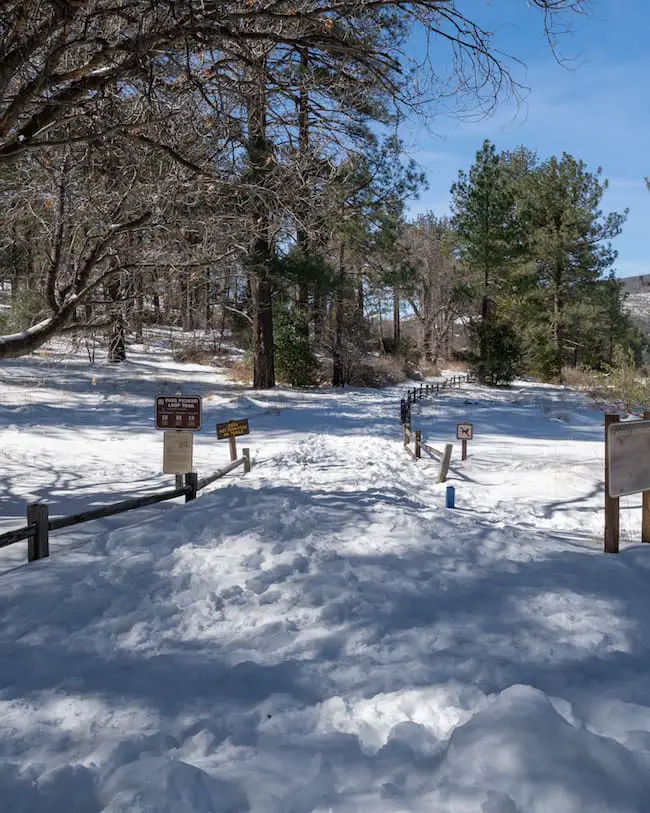
The trail begins by heading west via a single track that leads you through the campground. Seeing the Cuyamacas covered in snow is a real treat as snow storms aren’t as prevalent here compared to the San Bernardino or Angeles forests.

Regardless of limited snowfall, the Cuyamacas are home to some of the most beautiful waterfalls I’ve ever seen, such as Three Sisters Falls, a three tiered colossal giant with two swimming holes. You can view that waterfall here.

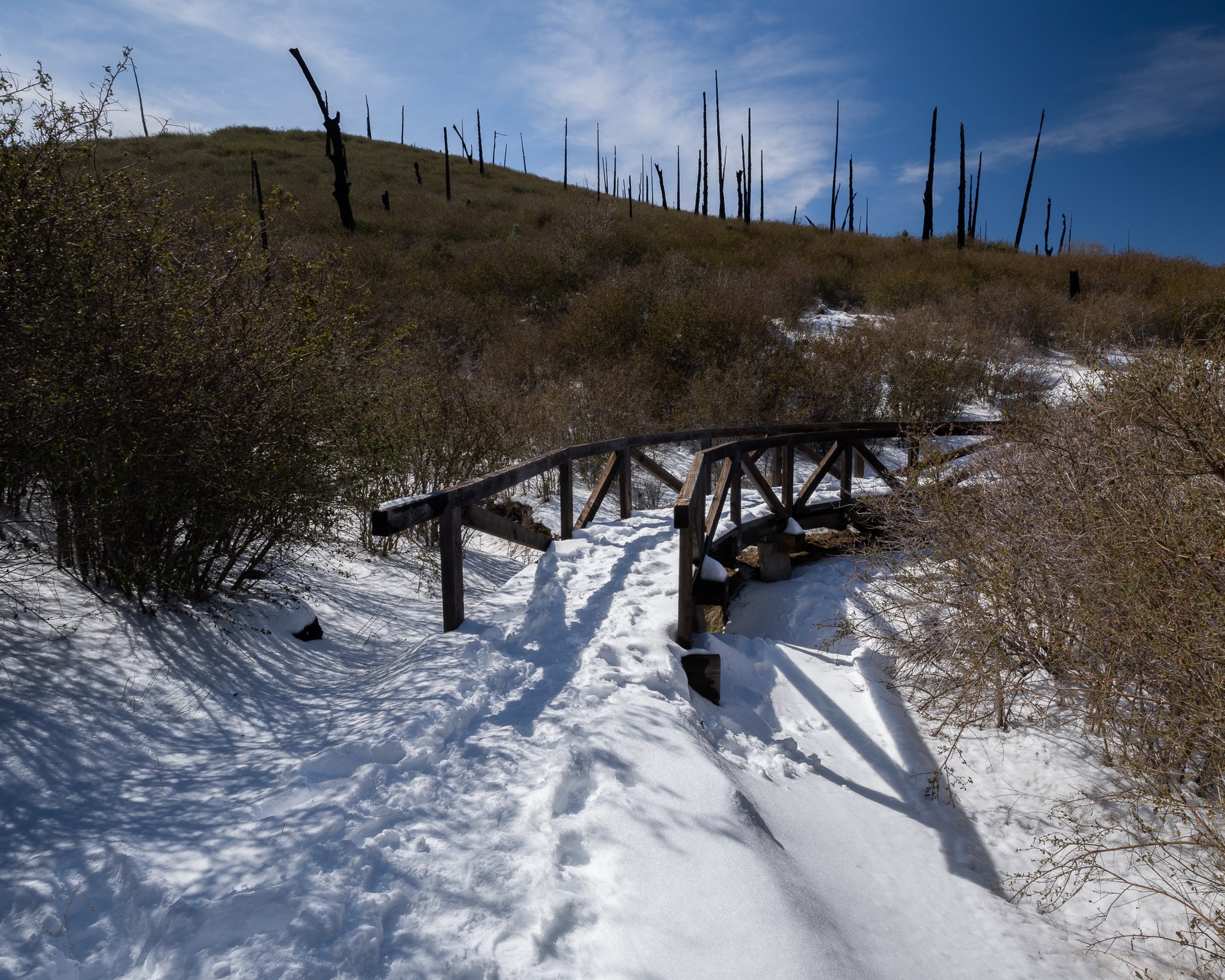
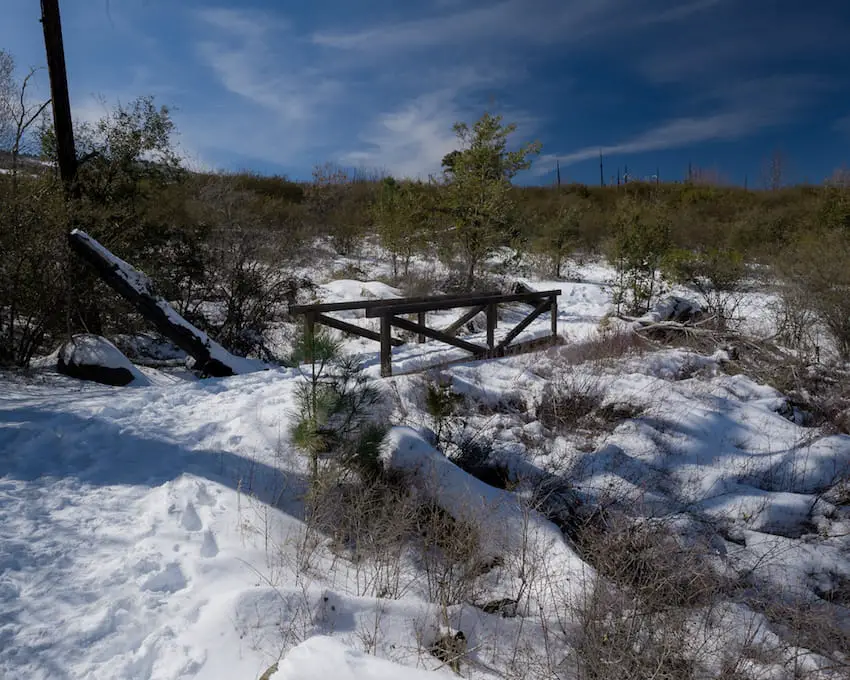
Wooden bridges guide you over creeks, adding more delight to the snowy landscape.

Unfortunately, the dead trees in the background are the remnants of one of the worst San Diego fires in history, the Cedar Fire, which was started by a lost hunter in 2003. To this day, the Cedar Fire is the reason why the park is not as dense with pine trees as it should be.

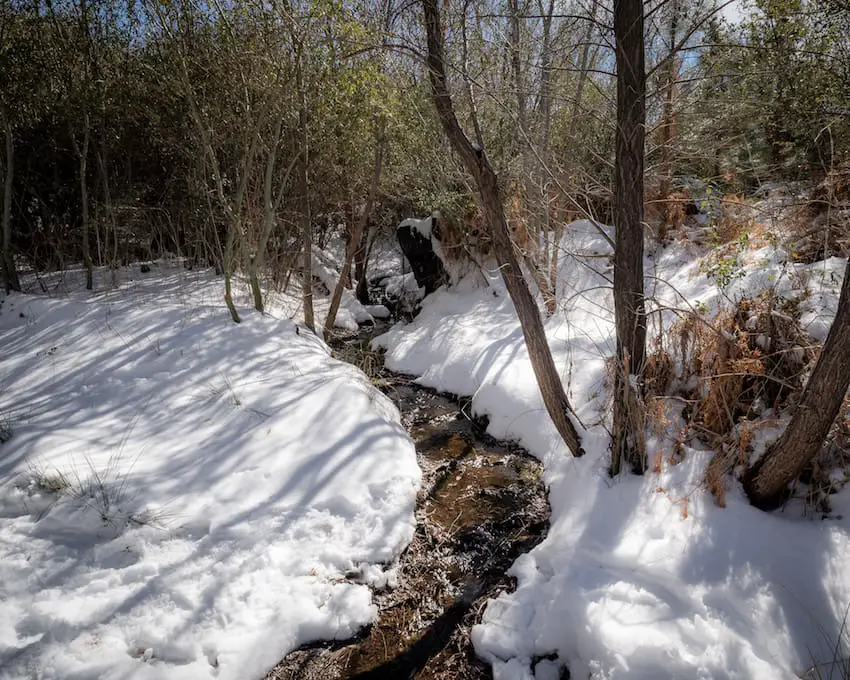
Shortly after the bridges, the trail becomes more enclosed and you’ll arrive at the first and only creek crossing.

It was after the creek crossing and right before reaching the Kumeyaay village site that we heard a very large animal growl at us. Although it was only about 10-15 ft to our immediate left, its perfect camouflage prevented us from spotting it.

The growl was so low and strong that we literally felt it, similar to the way you feel the bass emitting from large speakers.

I kept talking loudly as we slowly walked backward, never giving my back to what I suspected was one of the most feared predators in the mountains. When we got home we quickly searched for various animal growls, only to confirm that we had come face to face with a mountain lion.

The lion was most likely stalking deer, as we had seen many deer tracks on the trail. Luckily, he decided to let us off with a warning, so we kept walking until we reached the Kumeyaay village site and the morteros.

Morteros are holes in rocks used by the Kumeyaay to mash their food, most likely acorns. Due to the snow, I wasn’t able to get a shot, but you can click the link HERE to get redirected to an image of the morteros.

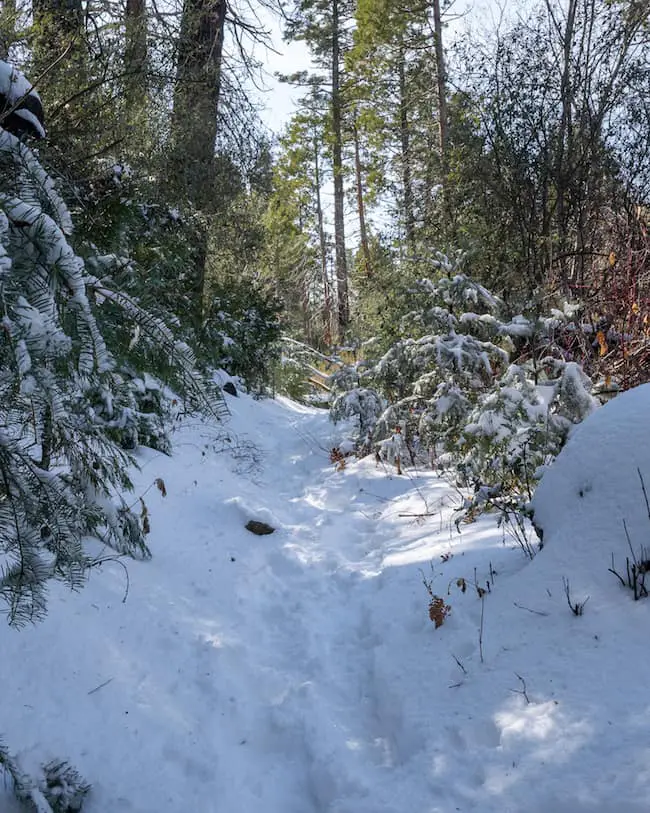
After the Kumeyaay village site, you’ll arrive at the most scenic part of the trail, which runs parallel to the creek and is surrounded by majestic pine trees and ferns.

Up until this point, the elevation gain is very minimal, but as soon as the scenic section ends you can expect a steeper trail. From Azalea Glen Trail you hop onto Azalea Spring Fire Rd for a very short descent.

Don’t forget to look back from time to time as the views are amazing. Here we can see Middle Peak to the very left, Stonewall Peak to the very right, and Lake Cuyamaca (which is harder to see) lies in between.

Next to the lake is Stonewall Mine, a fun and easy loop hike featuring the ruins of the 19th century mine and a cabin that has been converted into a museum. The trail doesn’t really make you feel like you’re deep in the mountains, and since it’s such a short hike, I suggest combining it with another hike in the area.

Once you transition onto the Conejos Trail from the Azalea Spring Fire Rd the landscape begins to transform into a true winter wonderland. Some of the branches were completely frozen and easily weighed up to 100 pounds.

Here’s a shot looking down on Stonewall Peak.

When you reach the last meadow and pine trees in the image below you know you’re almost there! The wind was blowing harder and we could hear the sound of icicles falling all around us. This hike is really something else.

There she is! The antennas on the peak can be seen from the intersection of Conejos Trail and the Lookout Fire Rd intersect.

A couple of guys coming down from the peak told us to stay away from the antennas because the wind was knocking down 300-400 pound massive icicles.

There’s a rest area with a bench looking out into the valley at the intersection. This isn’t the peak, but it’s still a breathtaking view. It’s hard to believe this is San Diego!

Even before reaching the peak, the beautiful Pacific Ocean comes into view. San Diego is one of California’s counties which offers various diverse settings. A true outdoorsman’s dream.

For example, the Saigon Trail, located in one of SD’s many beaches, is the only beach I know of which is home to a slot canyon.

The view of the entire valley below, where the 80-foot giant, Cedar Creek Falls, calls its home. By the way, Cedar Creek Falls is arguably one of the most impressive waterfalls in Southern California. You can view photos and directions in the full post here.

Unfortunately, we began to have some technical issues with my camera.

And to make matters worse, clouds shaded the valley. Had we made our way to the peak, I wouldn’t have been able to get a good shot, but here are some photos from right below the peak.

That concludes the end of this adventure.

If you want to get to the campground ASAP, I suggest taking the Lookout Fire Rd (shown below) back down to complete the 7.7-mile journey, as you enjoy the view of Stonewall Peak.

In case you’re wondering, stonewall peak, which is literally located across the street from the campground, is also open to the public. The peak offers one of my favorite panoramic views, which you can see by clicking here.

Otherwise, head back down the way you came to extend the hike even further. See you at the next one!

Big Falls Trail: SoCal’s Largest Waterfall

Big Falls Trail: SoCal’s Largest Waterfall

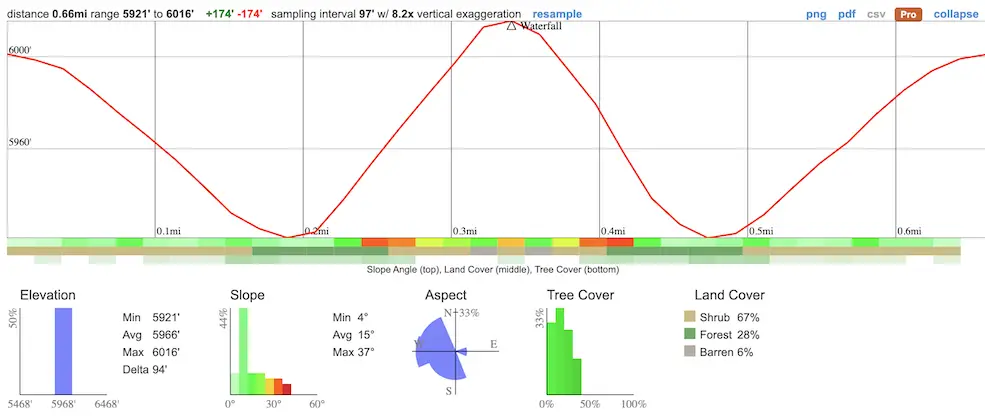
  • Total Miles: 0.66
  • Time: 25 min
  • Difficulty: Easy
  • Best Season: Spring – Summer
  • Elevation Gain: 174 ft
  • Max Elevation: 6016 ft
  • Type of Trail: Out & Back
  • Parking Lot: Fits ≈ 20 cars
  • Dogs: Allowed On A Leash
  • Restrooms: Available At The Parking Lot
  • Trail Popularity: High

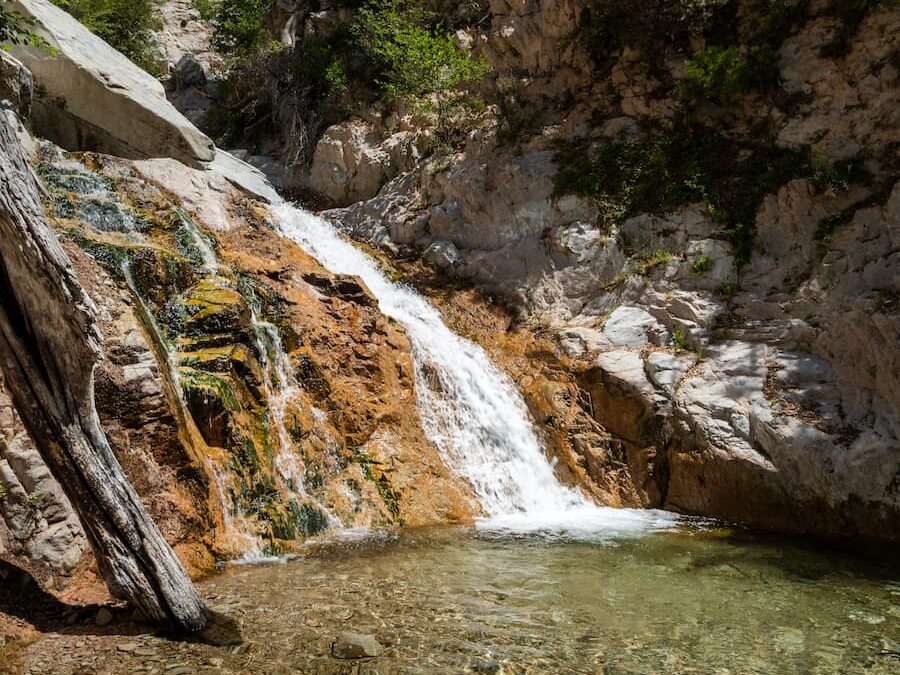
Most waterfalls in SoCal are dead dry in the middle of the summer. Well, not Big Falls Trail! This colossal, multi-tiered cascade is flowing pretty much year-round.

Big Falls Trail is an easy 0.66 hike that features a multi-tiered waterfall located in Forest Falls, California. Multiple smaller waterfalls flow throughout the majority of the scenic trail. At 500ft, Big Falls is the largest falls in SoCal, which is why its higher tiers can be seen from the road as you drive through town.

Big Falls is one of the best waterfalls and hikes in SoCal, but it’s not the most stunning in my opinion. To view the other trails, click the link below:

Best Hikes In Southern California

Best Waterfalls In SoCal

Big Falls Trail Map

powered by Advanced iFrame

Big Falls Elevation Profile

 Download Printable PDF Map

Directions

To be redirected to the trailhead via Google Maps, click the following link: Big Falls Trail, California 92339

You will be required to either display a SoCal Adventure Pass or purchase a recreation day pass to park at the parking lot.

Helpful Links

Weather Forecast

SoCal Adventure Pass (required for parking in SoCal mountains)

You can purchase a recreation day pass at the kiosk or at the Elk General Store.

Hiking Big Falls Trail

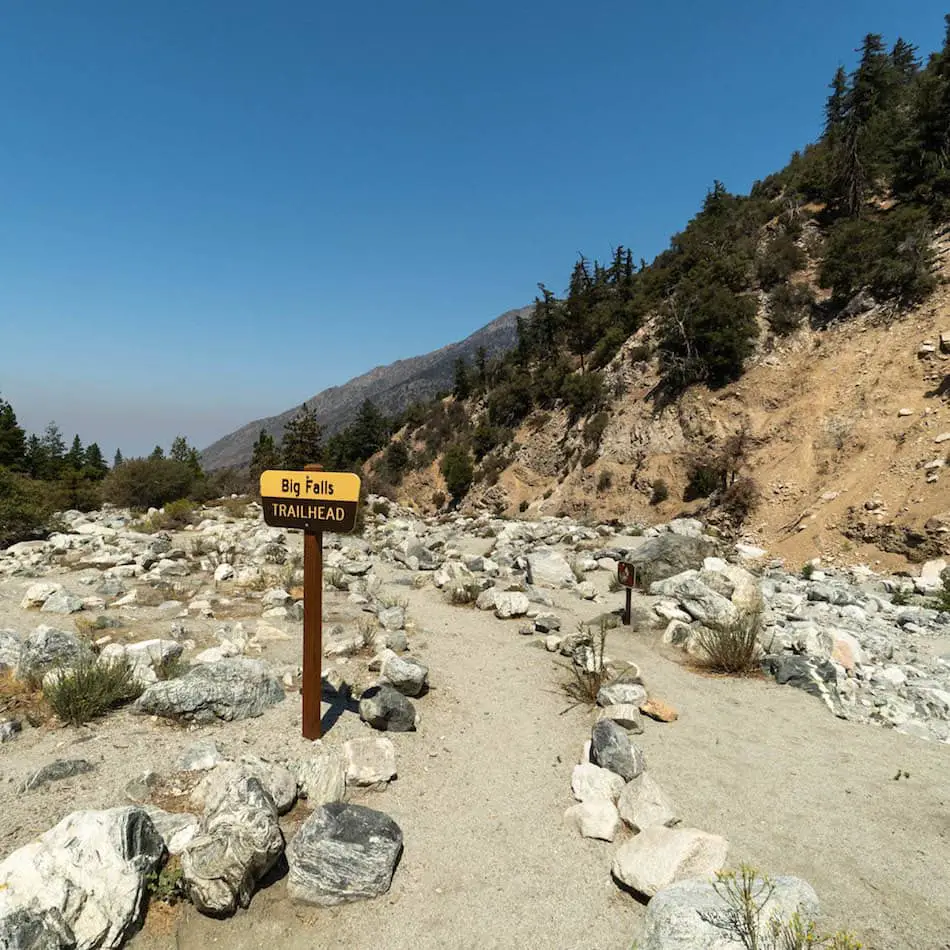
The hike to the falls is really short, but the beginning part of the trail is a bit confusing since it’s not very clear where the trail is.

I hiked straight towards the creek bed.

I eventually reached this slightly wet and rocky section and crossed through! Thankfully, I had my Merrell waterproof shoes on.

A short moment after, I arrived at the first small waterfall!

To the right side, there is a dirt path that leads up to the other falls.

Here’s one of the other falls and pool from above!

While I was walking back on the trail, I could see the very top tier.

(We did not reach the top part because it seems impossible, but our drone did!)

We then reached the last waterfall tier we could get to.

They all have their glistening clear pools that made me want to jump right in!

I couldn’t believe how much water these falls had considering I came in the middle of summer!

This last part is very difficult to reach unless you are a skilled propeller. Luckily, our drone was able to get some amazing views of the top waterfalls!

This waterfall has multiple tiers that cascade down the mountain (probably over 10!).

It’s about a 500-feet from top to bottom of Big Falls trail.

I absolutely loved this trail near Big Bear. It’s a perfect summer hike if you want to keep cool.

Not only was the weather less than 75 degrees in the middle of August, but the water flow was pretty nice as well!

Want to hike to the 2nd largest waterfall in SoCal? It’s called Bonita Falls, a 1.4 mile trail which is also located in the San Bernardino Mts.

Mile Square Regional Park: Fountain Valley’s #1 Park

Mile Square Regional Park: Fountain Valley’s #1 Park

Whether you like paddle boats, jogging, or archery, this park has everything to offer, and that’s not an understatement. 

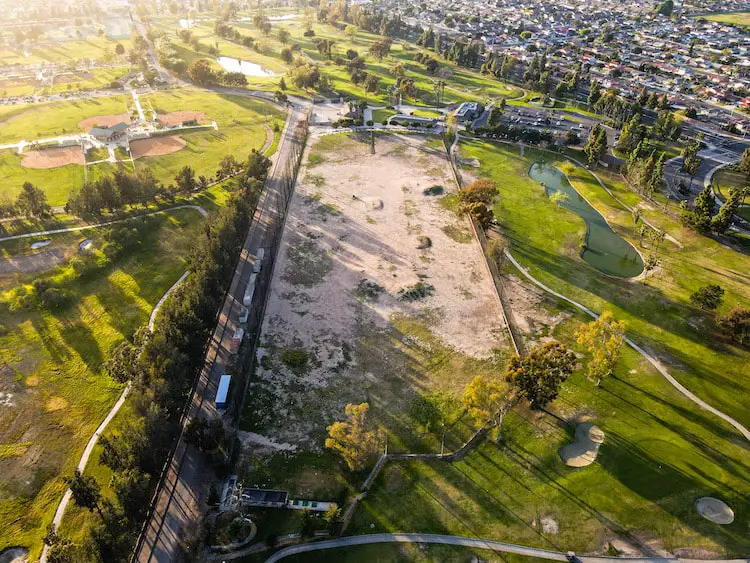
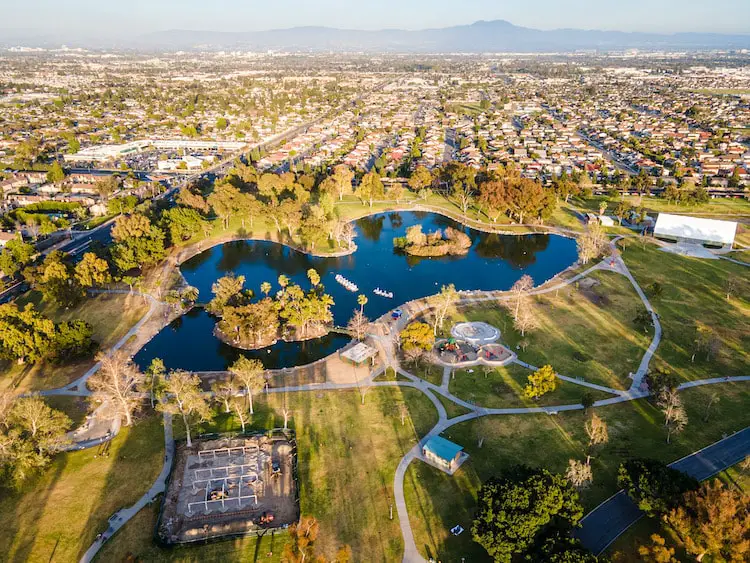
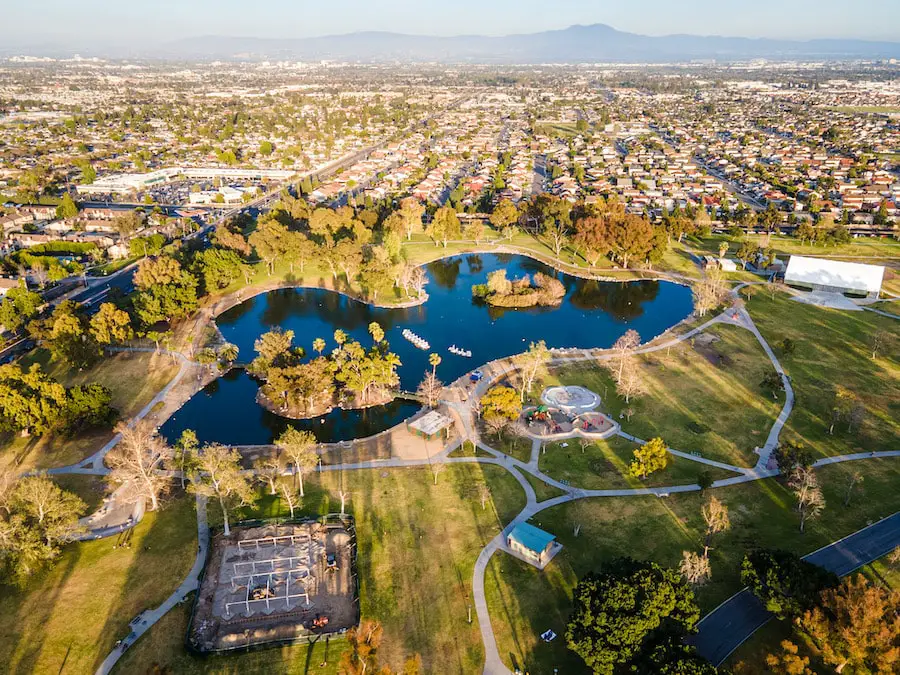
Mile Square Park is a beautiful 607 acres of land located in Fountain Valley. The public has tons of amenities to choose from, some of which include 2 fishing lakes, 3 golf courses, the popular Palm Island, an auditorium, and a wide variety of restaurants conveniently located across the street. The park is very well kept, safe, and always bustling with visitors.  


Amenities

  • Archery
  • 6 Baseball Fields
  • Barbeques
  • Bike Rentals 
  • Camping
  • Dogs (must be on a leash)
  • 2 Fishing Lakes
  • Fitness Par Course
  • Interpretive Programs
  • Paddle Boat Rentals
  • Picnic Areas & Tables
  • Picnic Shelters For Reservation
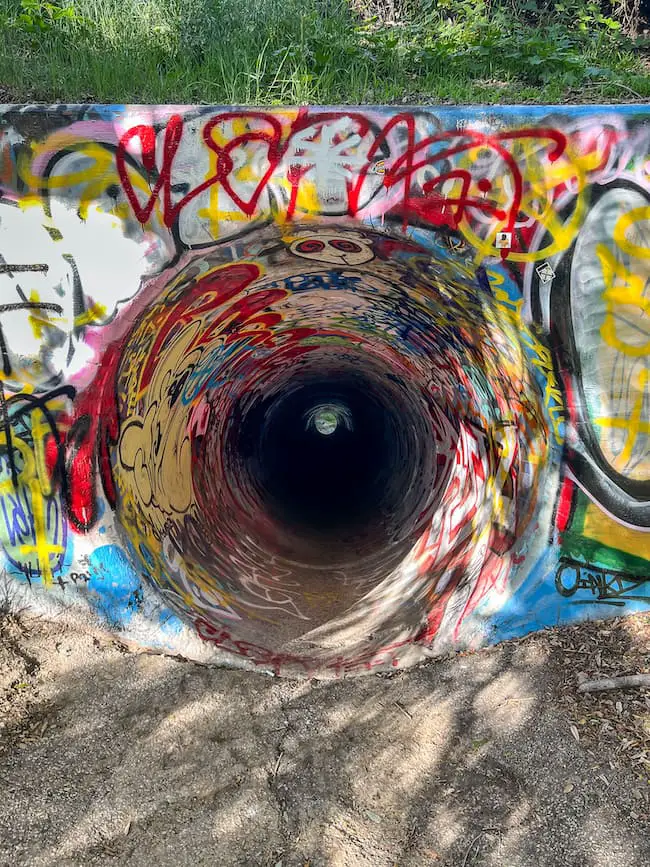
  • Multiple Playgrounds
  • Multiple Restrooms 
  • Shelters
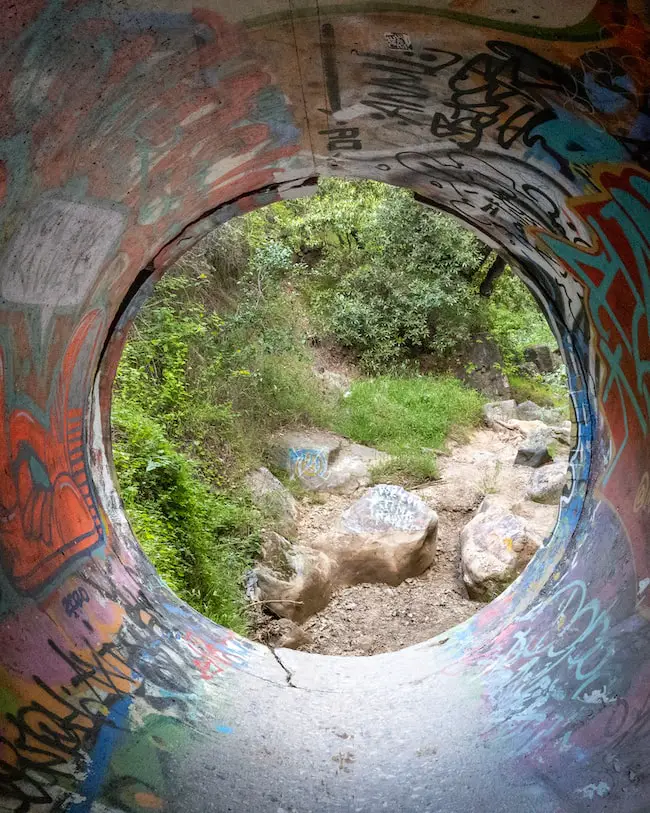
  • Soccer Fields
  • Volleyball Courts
  • Wedding Events

To stay up to date with current events, click the link here, and for info on each of the amenities, click here. 

You may have noticed the Fountain Valley Sports Park adjacent to the golf course. Although the Sports Park is located within the same block as Mile Square Regional Park, it is a separate facility.  


Mile Square Recreational Park

For the sake of simplicity, I’m dividing the regional park into two parts, the recreational park, and the golf course. Let’s start with the recreational park’s basic info. 


Entrance Fee

An entrance fee of $3 is required Mon-Fri and $5 Sat-Sun.

If you find parking on the street it’s free!  


Directions

To get directions, click the link HERE. 

Or type 16801 Euclid St, Fountain Valley, CA 92708 into your GPS


Hours 

Spring-Summer: 7am – 9pm 

Fall-Winter: 7am – 6pm 


Park Office Hours & Phone Number: Mon-Fri 8am – 3:30pm (714) 973-6600


Map

Download Here


Fitness Loops

If you’re looking to enjoy a nice walk and/or improve your fitness levels, Mile Square offers a 1.6-mile Fitness Loop in the southern portion of the park with directional arrows and multiple fitness stations scattered throughout the loop. 
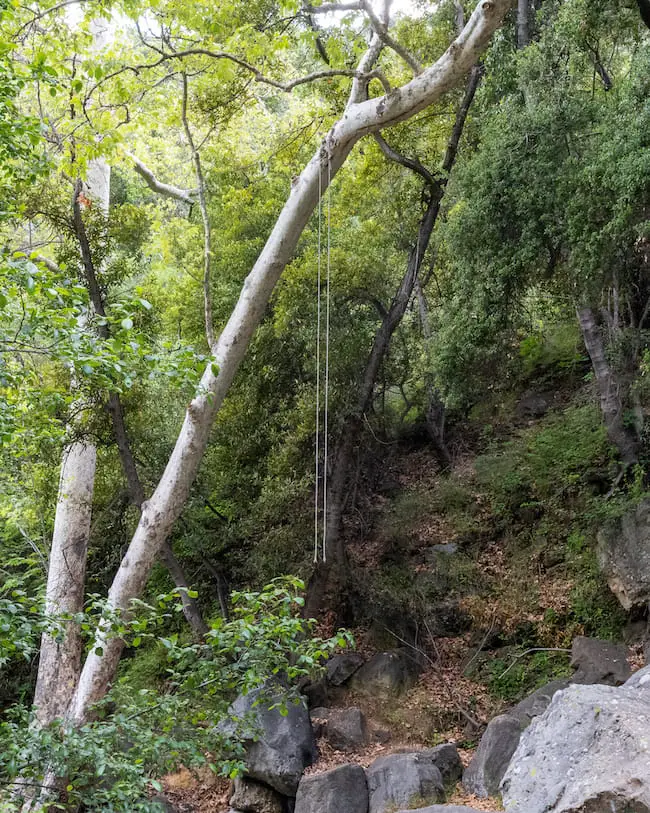
If half a mile isn’t enough, you can extend the loop by adding an additional 1.5 miles. This loop basically covers the entire perimeter of the park. Check out the maps below to see the loops. 
We parked on the southeast parking lot shown below and proceeded to walk a loop around the park. We were instantly greeted with beautiful scenery including a lake, giant pelicans, and palm trees lining the side of the lake. 

You can fish off the pier or rent a bike the second you get off your car. A fishing license is required. 


Bike & Boat Rentals

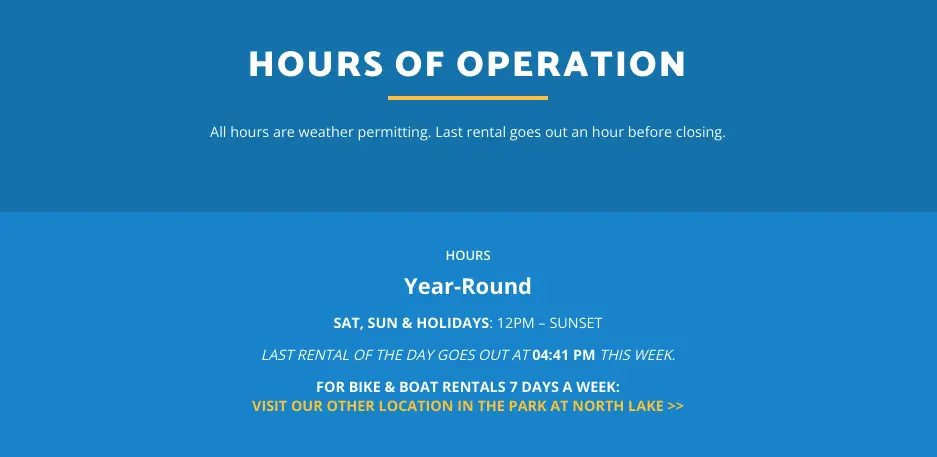
Don’t have a bike? Rent one at the park from Wheel Fun Rentals. They have two locations within Mile Square. 

The north location (closest to Edinger Ave) is open all week and also offers boat rentals, while the south location (closer to Warner Ave) is only open on weekends.
North Location Hours of Operation:
South Location Hours of Operation: 

For more prices and info, check out their website at Wheelfunrentals.com/edinger or Wheelfunrentals.com/warner. Or you can call 805-650-7770. 


Baseball Fields


All ball fields and soccer fields are closed until March 1, 2022 for maintenance. 

Looking to play ball? Mile Square offers 6 baseball fields (not including the sports complex which is it’s own facility). All of the fields are exceptionally well kept and maintained. 

However, reservations are required and possibly a permit as well. 

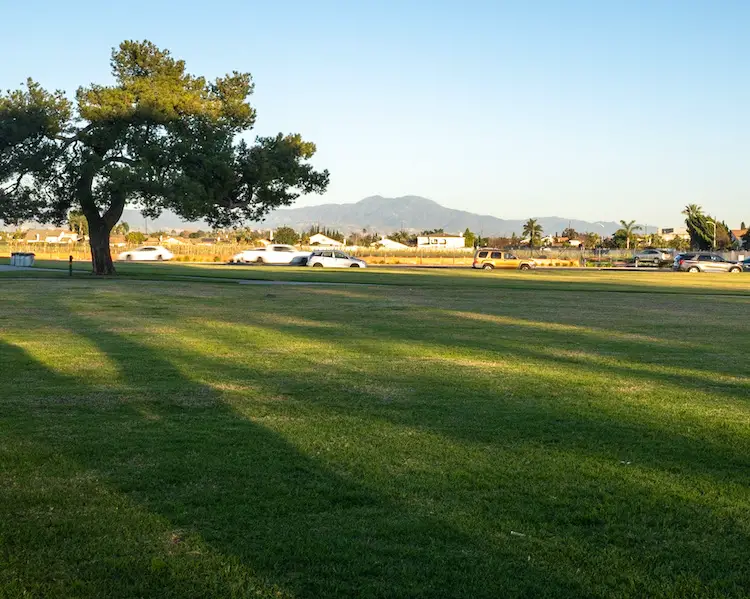
To the east of the park, you have Santiago Peak towering over the valley (shown below). It’s the tallest peak in the Cleveland National Forest and adds to the beauty of the park. 

To the north, you have the Angeles and San Bernardino National Forests


Archery Range


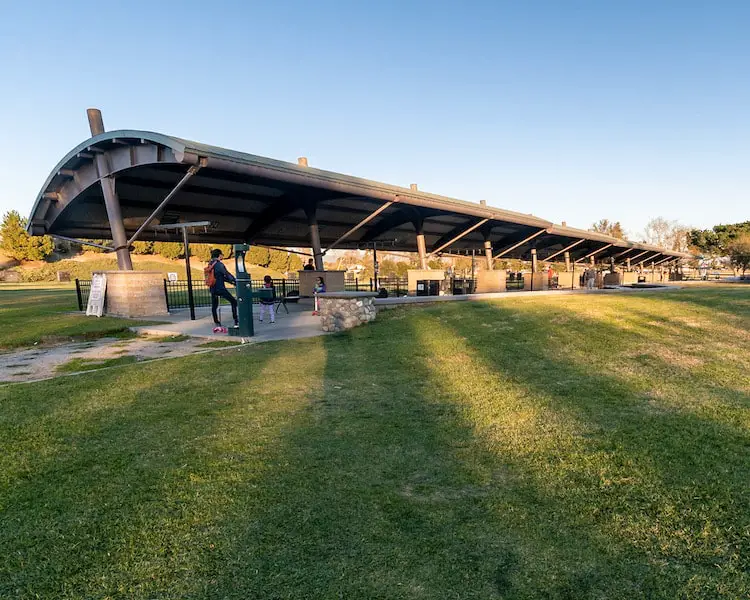
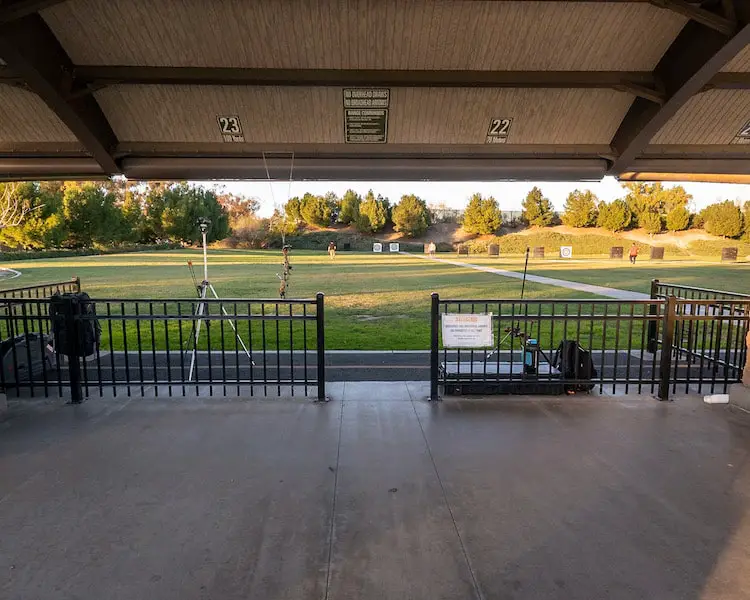
As we walked further into the park, we came across a 24 lane archery range. The range is set up in a way that the lanes to the left of the range have targets placed further away. As you move towards the right of the structure, the targets are placed closer to the archer. 

Each archer gets a lane to themselves, separated by a pillar and a black gate. If you’d rather spectate, concrete seats are immediately located behind the archers. 

The archery range is open to the public every day from 7 am to sunset, but is closed every Wednesday from 7 am to 11 am for weekly maintenance. You must bring your own equipment. Only large groups are required to make reservations. 

For more information regarding the archery range, feel free to call the park office during hours of operation at 714-973-6600. Want to register for an archery class? You can find more info here


Camp Sycamore


Located immedaitely to the west of the archery range is the urban Camp Sycamore, a camp ground reserved for children ages 6-12 years of age. 

Camp Sycamore is intended to provide children with their first camping experience. The camp offers 24 hour restrooms, picnic tables and shelter, sinks, a camp fire ring, and bbq areas. 

A security fence lines the entire perimeter of the camp to ensure the children’s safety. 

For youth group reservations please call the park office during hours of operation at 714-973-6600. 


Freedom Hall

Closely located to the archery range is the Freedom Hall, which is home to multiple basketball courts and an auditorium. 

This is where the community is known to host various events 

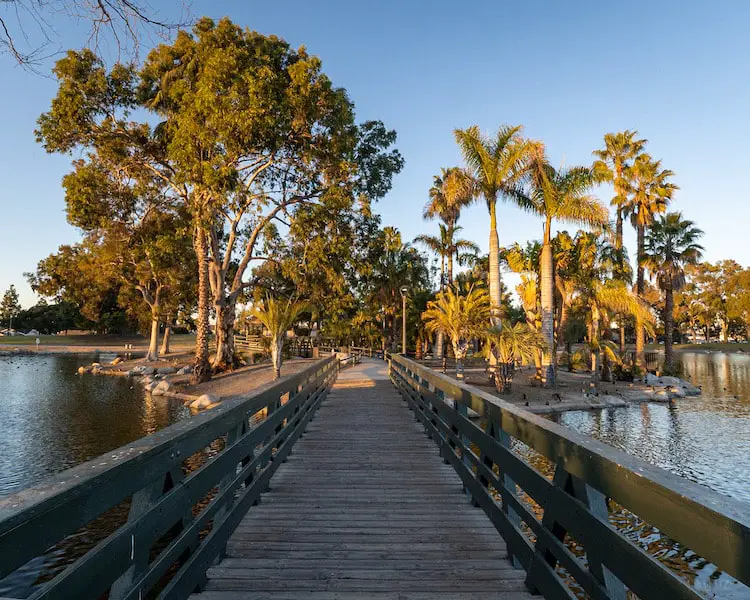
Behind the Freedom Hall is what I personally believe to be the nicest area of the park, Palm Island. 


Palm Island


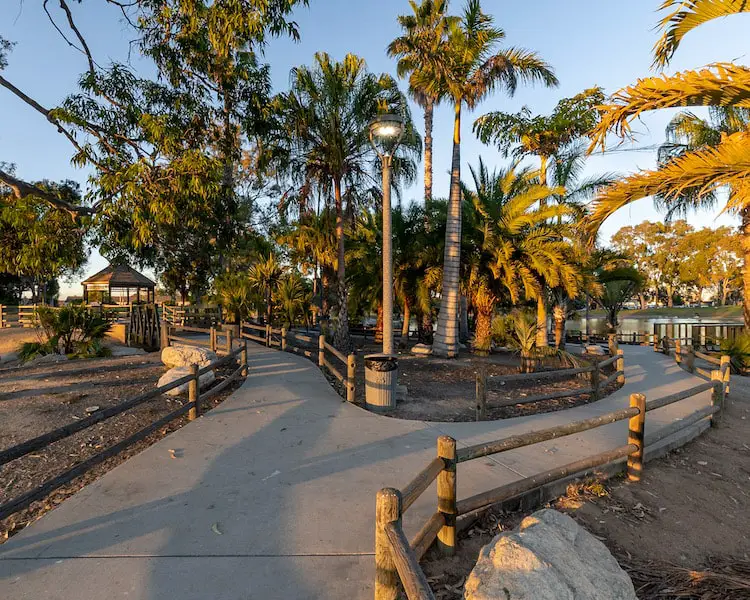
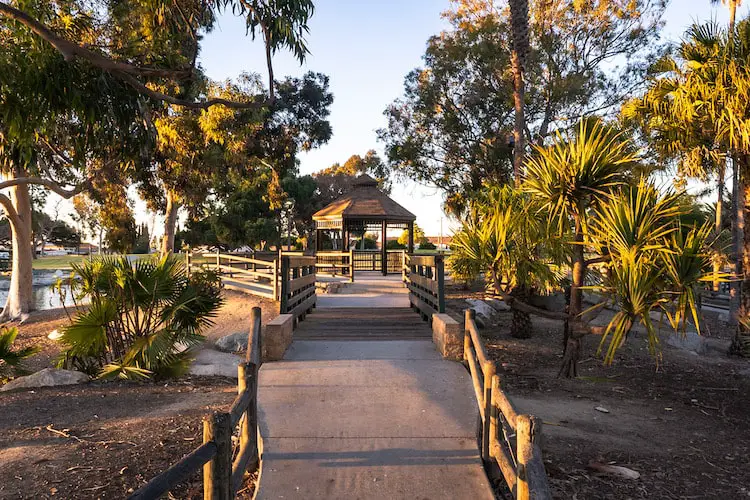
The island is adorned with various types of palm and eucalyptus trees, lamp posts, and a beautiful gazebo. 

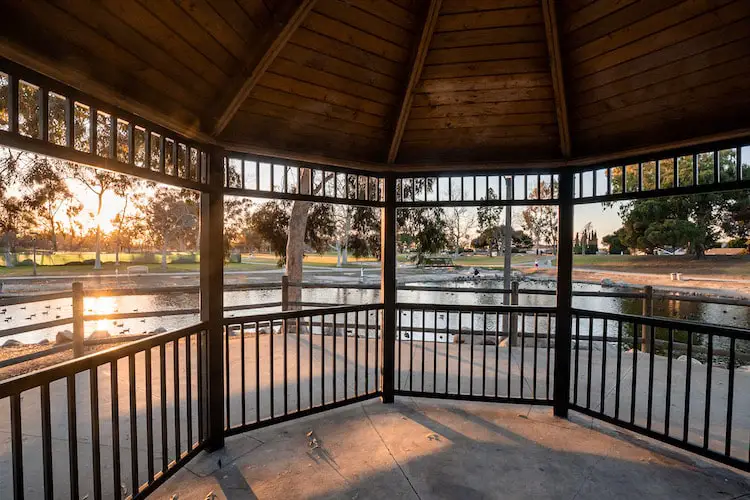
The gazebo is a great place for wedding shots, portraits, and other special events! 

Here’s a sunset shot from the inside of the kiosk.

If you head right at the fork after crossing the bridge, you get a better view of the lake, Freedom Hall, and the paddle boats. 

Here’s a shot of the back of Freedom Hall and Palm Island in the back. 

Here you can see the water source, most likely diverging from the Santa Ana River and emptying into the back of Palm Island to fill the lakes. 


Mile Square Golf Course


The 3 golf courses are open daily from 5:30am to 10:00pm. You can check their tee times HERE

For more info regarding the course, don’t hesitate to call 714-962-5541. 

The 18-hole golf course located on the west side of the block offers one-on-one instructors, group lessons, a driving range, senior club membership, and tournaments

It also boasts an elegant Clubhouse with full-service banquet facilities for celebrating life’s most treasured moments, such as weddings and special events.  

Their rental facilities, which accommodate up to 400 guests, include a water fountain to greet guests as they enter, a wedding garden for ceremonies, chandeliers, and more. 

Feel free to read more HERE, or contact their catering office at 714-962-5541 or catering@milesquaregolfcourse.com to schedule an appointment. 

Want to relieve some stress? Perhaps their night driving range is most suitable for you. 

Their current prices include: 

  • Small Range Balls: $7 for 55
  • Large Range Balls: $14 for 110

However, feel free to check HERE, to ensure the prices haven’t changed.  


History of Mile Square

During the earlier days of World War 2, the land at Mile Square, which was originally agricultural land, was bought by the Navy and used to construct military airfields.

These airfields, along with the El Toro Marine Corps Air Station and the Santa Ana Marina Corps Air Base Facilities were home to three landing fields measuring roughly 2200 feet in length and built-in triangular form within the land. 

The fields were specifically used to train WW2 pilots. Can you believe there are still residents in OC who at one point in their life used the airfields to pilot the Navy Corsairs! (propeller aircraft).

After the war, the fields were used as either a practice area or helicopter touchdown for the Santa Ana Marine Corps Air Station. 

In 1967, Orange County leased the land from the Navy Department, which allowed the county to develop the acreage as a regional park.  

In 1970, baseball fields were built. 

On March 28, 1973, Orange County received the official title of the land, followed by the construction of a children’s playground. Military operations ceased in 1974.  

In 1976, the third phase of the development extended the park to the north side of the block (Edinger Ave). 

The fourth and final phase of the park took place in the spring of 1987 when the 18-hole golf course was completed, along with its driving range and special events facilities. 

In June of 1999, we saw the last great add-on to the park with a third 18 hole golf course. 

11 Best Hikes In Los Angeles: Not Found Anywhere Else

Los Angelinos have been in love with hiking since the late 1800s. With the never-ending list of trails growing each year since the hiking boom at the turn of the 20th century, finding the best hiking trails in Los Angeles can be daunting.

But not to worry, I’m here to help! I grew up in the foothills of the Angeles National Forest where I spent the majority of my weekends hiking, biking, and snowboarding. I’m here to share with you what I think are the five best hikes in LA.

Before we continue I’d like to ask one favor from you. Please keep these gems clean. Whatever you pack in, pack it out. If we don’t take care of our mountains, no one will. Thank you in advance!

Okay, get your boots ready because after reading about these hikes you won’t be able to resist checking them out!

11) Mt Lowe Peak: Amazing Panoramic Views (Closed)

Mount Lowe Peak

  • Total Miles: 3.2
  • Elevation Gain: 295 feet
  • Map, Directions, & Full Post: Mount Lowe Peak 

Mount Lowe Peak, is (in my opinion), named after one of the greatest Californian innovators and entrepreneurs, Professor Thaddeus Lowe, and offers beautiful views ranging from the valley below to Catalina Island. 

From the trailhead, I was rewarded with amazing views of the Eaton Wash and the valley below me, and once I got to Markham Saddle, Bear Canyon loomed in the late evening light.

From Mt Lowe Peak I could clearly see the famous Mount Wilson Peak, home of the famous 100-inch Hooker telescope to the west. To the north San Gabriel Peak towered above me. It’s an amazing place for a sunset. 

Keep in mind Mount Lowe gets snow. If there has been recent snowfall, you may need to take microspikes or crampons. 

10) Eaton Canyon Falls: LA’s Most Popular Cascade (Closed)

eaton canyon falls

  • Total Miles: 4.02
  • Elevation Gain: 455 Ft
  • Map, Directions, & Full Post: Eaton Canyon Falls

Eaton Canyon Falls has been a very well-known place for many years. The Spanish called it “Canon Precipicio,” which translates to The Precipice Canyon, and arguably the greatest conservationist of all time, John Muir, described it as the Yosemite of the San Gabriels.

Fun Fact: The waterfall has three trailheads, so be sure to check out the full post to learn which trail is best for you.

Some of the things I love most about Eaton Canyon are the very vertical canyon walls and scenic trail. White Alders adorn the banks of the creek in many locations.

Keep in mind there are multiple creek crossings on the trail, some of which are a bit long (like 10-20 feet depending on the time of year), but luckily they’re not very deep nor dangerous.

The fifty-foot waterfall can be heard roaring from the time I got around the last two bends and is an incredible sight to see. Remember, this is the most popular waterfall in all of LA County, so be sure to arrive early if you want to avoid enormous crowds. If you arrive at the trailhead at 8 a.m., expect tons of people.

I’d get there by 6 am at the latest, and for those who don’t like to wake up early, try visiting during the week instead of weekends.

9) Trail Canyon Falls: Crown Of Big Tujunga

Trail Canyon Falls

  • Total Miles: 4.5
  • Elevation Gain: 1067 Ft
  • Map, Directions, & Full Post: Trail Canyon Falls

Located deep in Big Tujunga Canyon, the drier western part of the San Gabriel Mts is a gem that all hikers need to add to their list.

The trail began on a dirt road that led me through private properties (so please be respectful), and later converted onto a dirt trail that ascended up the side of the canyon before dropping back down onto the canyon floor at the end of the hike.

Fun Fact: There are multiple seasonal waterfalls on this trail which only flow after a good wet season. Check out the full post to see pics.

Towards the last part of the hike, I climbed down a loose and nearly vertical section of the trail, as it was the only way to get to the base of the falls. It’s about a 20 foot descent, but luckily people have left ropes for others to use.

The waterfall measures roughly 40 feet and is adorned with vibrant green plants.

It’s possible to explore the top of the falls by not climbing down to the canyon floor at the end of the hike and instead, continuing via the same trail.

8) Hollywood Sign: Amazing City Views

  • Total Miles: 6
  • Elevation Gain: 1174 Ft

The Hollywood Sign hike is a must-do for all locals and tourists alike. Although the trail may not be the most scenic or greenest trail in the county, the views of the city from the top are worth it.

Take plenty of water and a hat because it gets really hot during the summertime!

Fun Fact: Since the Hollywood Hike sign shares the same trailhead with the Bronson Caves (the caves have been used in a wide variety of movies including one of the Batman movies), I highly recommend doing both.

The trail ends behind the Hollywood sign as shown in the featured image above.

7) Millard Canyon Falls: Altadena’s Local Gem (Closed)

Millard Canyon Falls

Millard Falls is a scenic tranquil escape in the foothills of the San Gabriel Mts. The shaded trail begins at the campground and follows the creek upstream to the falls.

I love this trail because of how green and vegetated it gets during the spring and summer. Western Sycamore and White Alders are abundant and give the canyon a garden-type feeling.

Although I had to cross the creek multiple times, I found them to be very easy to traverse, as they’re narrow and shallow.

When I got to the falls, I was rewarded with a 50-foot cascade roaring over the cliff. Furthermore, I found the white marble-looking walls to be a unique feature among Los Angeles waterfalls.

The trail is very easy, and super scenic, and the falls rewarding. It’s also very easily accessible, as it’s not deep in the mountains. Get out there as soon as you can!

6) Shoemaker Canyon Rd: Nuclear War Escape Tunnels

Shoemaker Canyon Road

During the Cold War, Los Angeles was worried about a nuclear attack from the Soviet Union, and rightfully so. 

To prepare for such a doomsday, the city began drilling two tunnels through the mountains with the intention of creating a faster route to Vegas. Unfortunately, the project was too costly and therefore abandoned. 

 However, like many abandoned structures in the mountains, these tunnels located near the popular Bridge to Nowhere, have become iconic hikes. 

Shoemaker Canyon Road is a dirt road that begins in the East Fork of Azusa Canyon right above the famous prospecting river, San Gabriel. From the road, I could also see amazing views of Mount Bald towering above and Heaton Flats down below.

Fun Fact: I found two bonus water drainage tunnels that can easily be explored and offer unique views. Check out the full post to learn more.

The second tunnel marks the end of the journey for most. However, the road transitions into a single track and continues upward onto Rattlesnake Peak, for those seeking a more challenging destination.  

In my opinion, the East Fork has some of the most concentrated and rich history of the Angeles National Forest. Abandoned projects, mines, and hidden gems are located here. Shoemaker Canyon Road is undoubtedly, a special part of this history. 

5) Lewis Falls & 2nd Falls No One Knows About

Lewis Falls

  • Total Miles: 0.73
  • Elevation Gain: 328 Ft
  • Map, Directions, & Full Post: Lewis Falls

Lewis Falls is a beautiful 50-foot cascade in the North Fork of the San Gabriel Canyon. The short trail is very shaded thanks to the abundant plant life, especially the enormous red cedar pine trees that tower over everything in the canyon.

Fun Fact: There’s another hidden waterfall about halfway through the hike which most people miss because it can’t be seen from the trail. You can find out how to get there by checking out the full post.

This is hands down one of my favorite go-to trails because it makes me feel like I’ve left California when in reality I’m still very close to the suburbs of LA where I currently live.

Lewis Falls reminds me a lot of Millard Canyon Falls, but deeper in the mountains, and therefore, slightly more secluded.

Another benefit of Lewis Falls is the fact that it flows almost year long. Most waterfalls dry up sometime during the summer, but I’ve seen Lewis Falls flow late into the fall and sometimes winter.

4) Echo Mt Ruins: Most Popular Trail In LA (Closed)

ECHO MT RUINS

  • Total Miles: 6
  • Elevation Gain: 1566 Ft
  • Map, Directions, & Full Post: Echo Mountain

The ruins on Echo Mountain hold, in my opinion, the most interesting and forgotten stories of the San Gabriel Mountains. In a nutshell, an ingenious man by the name of Professor Thaddeus Lowe built a resort called the Echo Mountain House where the ruins are currently located.

He also built a cable funicular railway known as the Great Incline, the Mt Lowe Railway which began at Echo Mt and ended at Ye Alpine Tavern, the Mt Lowe Observatory, zoo, casino, dance hall, and tennis courts.

The hike begins at the Cobb Estate in what is popularly known as the Haunted Forest and leads hikers up the sunny slopes of Echo Mt until arriving at the ruins. Once at the top I explored the ruins of the powerhouse, observatory, and Echo Mt House, and yelled into the Echo Phones which dubbed the mountain its name.

Did I mention I found a secret waterfall across the canyon? You can see those pictures by clicking on the full post above.

3) Sturtevant Falls

  • Total Miles: 3.3
  • Elevation Gain: 708 Ft

Santa Anita Canyon is very near and dear to me as it was the first place I’ve ever hiked in. The luscious canyon is home to a jaw-dropping cascade that roars over a fifty-foot cliff.

The entire trail is adorned with a wide variety of plant life ranging from Western Sycamores, White Alders, and ferns.

There are also many private cabins located throughout the canyon, many of which are covered with ivy. Ivy seems to be more prevalent in this canyon, making the canyon look more scenic.

The Bobcat Fire of 2020 damaged much of the surrounding landscape but thankfully the waterfall is now open to the public. Just keep in mind Hermit Falls is still closed.

2) Big Horn Mine: Abandoned Gold Mine

Big Horn Mine

  • Total Miles: 4
  • Elevation Gain: 587 Ft
  • Map, Directions, & Full Post: Big Horn Mine

As a result of the 1800’s Gold Rush, the Angeles National Forest is home to over 300 mines. Most of them have been long forgotten, but a few, including the Big Horn, have re-emerged as an adventurous hiking destination. 

The Big Horn Mine was founded by Charles Tom Vincent in 1895 while he was out hunting for Big Horn Sheep.

Fun Fact: Both the structures at the mine and his cabin are still standing! Check out the full post to learn how to get to the cabin.

Because the hike begins at a high elevation, giant pine trees crowd the trail. Also, the dirt here is very red, something you rarely see in the Angeles Forest.  

The Big Horn Mine is the biggest mine I’ve explored. After going through the portal and walking in about 50 feet, the size of the adit significantly increases and splits off in various directions. 

I suggest turning off all your lights for a bit as you stand in place, but don’t walk in the dark! Notice how dark it gets and how the only sound is that of droplets falling from the ceiling. It’s truly a unique experience. 

Keep a close eye on the path a few steps ahead as there are huge shafts scattered throughout the place. I used my flashlight to light up the inside of one of the shafts, but it was so deep that we couldn’t see the bottom.

If you’re looking for a one-of-a-kind adventure, I highly suggest the Big Horn Mine. You won’t regret it!

In case you’re wondering, yes there’s still gold in our mountains. It’s legal to pan for gold, but you can’t use any type of machinery or a pickaxe. 

1) The Bridge To Nowhere: SoCal’s Largest Ruins

  • Total Miles: 9.5
  • Elevation Gain: 1246 Ft

Deep in the East Fork of the San Gabriel River, a large bridge towers over the glimmering water. There are no other roads, no vehicles, nor any sign of the city for miles.

That’s because nearly a century ago, citizens of Los Angeles commenced a project to connect the San Gabriel Valley with the little mountain town of Wrightwood, but due to major floods, the landscape completely changed and the roads leading up to the bridge were destroyed. Thus, causing the end of the bridge’s construction.

However, today the Bridge To Nowhere has become one of the most famous hikes to abandoned ruins in Los Angeles, second only to the Echo Mt Ruins. The trail is virtually flat and extremely scenic, especially the section called “The Narrows,” named after a section of the canyon that gets very narrow.

If you’re lucky, you might even spot a herd of Big Horn sheep!

Fun Fact: Bungee America now owns the bridge, where they host bungee jumping days for the public.

FAQs

What Is The Most Popular Trail In Los Angeles?

The most popular trail in all of Los Angeles County is the Echo Mt Ruins, as it has the most All Trail reviews.

What Is The Most Popular Waterfall In LA?

Eaton Canyon Falls is the undisputed champion of LA waterfalls.

Where Do People Go Hiking In LA?

People in LA can choose from many different places to hike including:

  • San Gabriel Mts
  • Santa Monica Mts
  • Regional Parks
  • Reserves
  • Preserves
  • Wilderness Parks
  • Large Municipal Parks (i.e. Griffith Park)
  • Beaches

Does LA Have Good Hiking?

LA is one of six biodiversity hotspots, meaning it ranks in the top six locations in the world for containing the most plant and animal diversity. Therefore, LA has amazing hikes in mountainous, coastal, desert, and urban regions that vastly differ.

Is Hiking Popular In LA?

Hiking in LA is so popular that even my friends from Colorado make fun of Los Angelinos for always talking about hiking (and tacos).